Yavatmal District, Maharashtra: Top Attractions, History, Temples, Weather & Things to Do
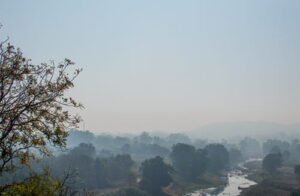
Yavatmal district occupies the northeastern corner of Maharashtra’s Vidarbha region, a land framed by the Wardha River along its northern boundary and the Penganga River along its southern edge, with the whole district occupied by a small east-west range of the Ajanta Mountains. Known across India as the “Cotton City” — one of Maharashtra’s most significant cotton-growing districts — Yavatmal has also earned the distinction of hosting India’s second-largest Navratri celebration after Kolkata, with over 2,766 Durga Mata installations across the district during the festival each year.
The district’s name carries its own geological poetry: “Yavatmal” derives from “Yavat” (mountain) and “Mal” (row), while an older theory holds that the original name “Yotmaad” combined “Yot” (proximate land) and “Maad” (tall trees), gradually corrupted by British pronunciation into “Yeotmal” before settling as Yavatmal. The city’s formal history as a district dates to 1905, after the British received it alongside the broader Berar region in 1853. Today, beyond its cotton-field identity, Yavatmal rewards travellers with Tipeshwar Wildlife Sanctuary’s tiger sightings, an 1,100-year-old underground Hemadpanthi Shiva temple, and the turbulent yet mesmerising Sahastrakund Waterfall straddling the Marathwada-Vidarbha regional border.
Yavatmal District, Maharashtra — Quick Overview
| Feature | Details |
| State | Maharashtra |
| Region | Vidarbha |
| District Headquarters | Yavatmal city |
| Famous For | Tipeshwar Wildlife Sanctuary, Sahastrakund Waterfall, Chintamani Temple, Navratri Festival, Kedareshvar Temple |
| Name Meaning | “Yavat” (mountain) + “Mal” (row) |
| Key Rivers | Wardha (north), Penganga (south) |
| Nickname | “Cotton City” of Maharashtra |
| Navratri Distinction | 2nd-largest celebration in India (2,766+ Durga Mata installations) |
| Distance from Amravati | ~90 km |
| Nearest Airport | Amravati Airport (~90 km) |
| Best Time to Visit | October to March |
| Summer Temperature | ~42°C |
| Winter Temperature | ~13°C |
History of Yavatmal District
1. The Gond Kingdom and British Acquisition
Yavatmal Fort, believed to have been built by the Gond kings in the 12th century, stands today in ruins but offers panoramic views of the surrounding city — a physical reminder that this cotton-rich plain was once governed by indigenous Gond tribal rulers before the region became part of the powerful Deccan political landscape. The district was formally given to the British East India Company in 1853 along with the broader Berar region. In 1864, the talukas of Yavatmal were included first into South East Berar district and later Wani district, before Yavatmal district was formally constituted in 1905 — giving the district its modern administrative shape.
2. Kedareshvar Temple — Over 1,100 Years of Shiva Worship
The Kedareshvar Temple’s documented history traces back over 1,100 years, making it one of the oldest continuous sites of Shiva worship in the Vidarbha region. Built in the distinctive Hemadpanthi architectural style — a 13th-century construction technique using interlocking stones without mortar, popularised by the minister Hemadpant during the Yadava dynasty period — the temple’s beautifully designed entrance, large Shiva lingam, and Nandi structure draw devotees year-round, while the sabha mandap (assembly hall) added in 1915 expanded the complex’s capacity for congregational worship.
3. Prerna Sthal and Freedom Movement Heritage
Prerna Sthal, built in memory of Jawaharlal Darda — a renowned freedom fighter from Yavatmal — spreads across 80,000 square feet surrounded by tall teak trees. Darda’s contribution to both the independence movement and subsequent political life of Maharashtra is honoured through this contemplative memorial space, connecting the district’s modern civic identity to the broader narrative of India’s struggle for freedom.
4. Bhabhra and Chandra Shekhar Azad
One of the district’s five tehsils — Bhabhra (now renamed Chandra Shekhar Azad Nagar) — is the birthplace of Chandra Shekhar Azad, one of India’s most celebrated revolutionary freedom fighters, adding to Yavatmal’s significant role in the national independence narrative.
Top Attractions in Yavatmal District
1. Tipeshwar Wildlife Sanctuary
Spanning 148.63 sq km in the Pandharkawada Taluka of Yavatmal, Tipeshwar Wildlife Sanctuary is the district’s most famous tourist destination and a genuinely rewarding tiger spotting location. The sanctuary comprises southern tropical moist mixed forests and green pastures across hilly terrain, also sheltering panthers, wild boars, bison, deer, antelopes, Chital, and the Blue Bell. Conservation efforts are ongoing to protect the sanctuary’s ecosystem from threats. Unlike larger, more crowded tiger reserves in Maharashtra, Tipeshwar’s relative obscurity means significantly fewer tourists — meaning sightings, while not guaranteed, feel more personal and authentic when they occur. Summer is considered the optimal season for wildlife viewing, when animals congregate more visibly around water sources.
2. Painganga Wildlife Sanctuary
Located along the Penganga River, Painganga Wildlife Sanctuary is one of Maharashtra’s most biodiverse protected areas, home to tigers, leopards, bears, nilgai, sambars, jackals, and langurs alongside the sanctuary’s status as a birdwatcher’s paradise with over 200 recorded species — including painted storks and crested serpent eagles. The Waghadi River, one of the most important Painganga tributaries, flows through Kelapur and Yavatmal before merging with the Godavari under the famous Gadge Maharaj Bridge.
3. Sahastrakund Waterfall
Situated on the boundary between the Marathwada and Vidarbha regions, Sahastrakund Waterfall is a spectacular cascade whose very name — translating roughly to “a thousand kunds (pools)” — reflects the dramatic visual effect of water breaking across multiple rocky tiers into churning pools below. Visible from both the Marathwada and Vidarbha sides of the regional border, the waterfall draws significant seasonal tourist footfall and is often combined with wildlife sanctuary visits for a comprehensive Yavatmal nature excursion.
4. Kedareshvar Temple
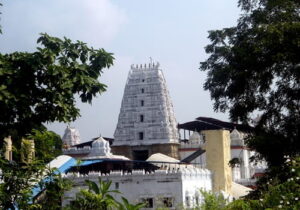
Built over 1,100 years ago in the Hemadpanthi architectural style, Kedareshvar Temple is located in the heart of Yavatmal city, dedicated to Lord Shiva. The temple features a beautifully designed entrance, a large Shiva lingam, and an impressive Nandi structure alongside an unusual underground sanctum chamber — visitors must descend steps to reach the main deity, creating an atmospheric and physically distinctive worship experience that sets it apart from standard above-ground Shiva shrines.
5. Chintamani Temple, Kalamb
The Shri Chintamani Temple, dedicated to Lord Ganesha, is located in the town of Kalamb, a short distance from Yavatmal city. Uniquely, the temple’s Ganesha idol sits slightly below ground level — visitors descend a few steps to reach the main deity, with a small kund (sacred pool) positioned before the idol that fills to the level of Ganesha’s feet during monsoon season. The temple is well-maintained by its Devasthan Samiti and hosts an annual fair honouring Lord Ganesha that draws thousands of devotees from across the district.
6. Boregaon Dam (Rajhans Paryatan Sthal)
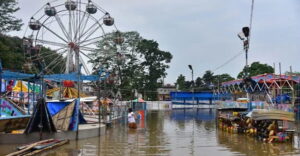
Located just 5 km from Yavatmal city centre, Boregaon Dam is the district’s most accessible and popular recreational destination. Operated as a formal tourist complex, it offers boating, slides, swings, and various amusement rides, making it a consistent family favourite. The serene reservoir surroundings have made it equally popular as a peaceful couple’s retreat, with the nearby Jamwadi forest area adding natural greenery approximately 12 km from the city.
7. Yavatmal Fort
Believed built by Gond kings in the 12th century, Yavatmal Fort stands in ruins today but offers the best panoramic views of the city — making it worth a short visit for history enthusiasts and photographers seeking elevated vantage points.
8. Pandharkawada
A town within the district known for its concentration of temples, including the Vitthal Rukmini Temple, Pandharkawada functions as a religious and cultural hub complementing the nearby Tipeshwar Wildlife Sanctuary visit for travellers covering the district’s south.
9. Navratri Festival Experience
Between October and November, Yavatmal transforms as India’s second-largest Navratri celebration unfolds across over 2,766 Durga Mata installations throughout the district. The vibrant celebration features elaborate pandals (temporary stages), traditional Garba and Dandiya performances, cultural programmes, and a community atmosphere that local residents describe as unmatched — a cultural experience uniquely tied to Yavatmal’s civic identity and worth timing a visit around.
Temples of Yavatmal District
| Temple | Location | Deity | Key Feature |
| Kedareshvar Temple | Yavatmal city centre | Lord Shiva | 1,100+ years old; Hemadpanthi architecture; underground sanctum |
| Chintamani Temple | Kalamb | Lord Ganesha | Below-ground idol; monsoon kund fills to feet of deity |
| Jagat Temple | Umarsara area | Lord Vishnu | Sacred site; highly revered by local devotees |
| Vitthal Rukmini Temple | Pandharkawada | Lord Vitthal (Krishna) + Rukmini | Major Pandharkawada religious landmark |
| Shri Swami Samarth Ashram | Yavatmal district | Swami Samarth | Popular Hindu pilgrimage and meditation site |
| Maroti Maharaj Temple | Ghatanji | Lord Hanuman (Maroti) | Annual Maroti Maharaj fair |
Weather in Yavatmal District
October to March — Best Time: Post-monsoon conditions bring the most pleasant weather for general sightseeing, temple visits, and the spectacular October-November Navratri festival period.
October to December — Cotton Field Season: For the uniquely mesmerising experience of seeing vast white cotton fields stretching to the horizon, this specific window is the only time to witness the “Cotton City” identity in full seasonal bloom — a visual rarely found in more urbanised Maharashtra destinations.
Summer (~42°C, April-June): Extremely hot conditions typical of the Vidarbha interior; the best time for Tipeshwar Wildlife Sanctuary tiger sightings despite the discomfort.
Monsoon (June-September): Sahastrakund Waterfall and the broader forested landscape are at their most dramatic and lush.
Things to Do in Yavatmal District (2026)
Tiger Safari at Tipeshwar Wildlife Sanctuary — Arrange a jeep safari for the chance to spot tigers in a less-crowded sanctuary setting, with summer offering the best visibility near water sources.
Navratri Festival Immersion — Time a visit for October-November to experience India’s second-largest Navratri celebration across 2,766+ Durga Mata installations.
Kedareshvar Temple Underground Pilgrimage — Descend into this 1,100-year-old Hemadpanthi Shiva temple’s unusual underground sanctum for an atmospheric and distinctive Shiva darshan.
Boregaon Dam Family Day — Combine boating, amusements, and serene reservoir views just 5 km from the city centre.
Cotton Field Photography (October-December) — Witness and photograph the mesmerising sight of white cotton bolls stretching across the Vidarbha plains — a uniquely Yavatmal experience.
Sahastrakund Waterfall Excursion — Visit this dramatic multi-pool cascade at the Marathwada-Vidarbha regional border during monsoon or post-monsoon for maximum visual impact.
How to Reach Yavatmal District
By Air: Amravati Airport is the nearest, approximately 90 km away.
By Train: Yavatmal Railway Station is connected to major Maharashtra cities including Pune, Mumbai, Nagpur, and Ahmednagar.
By Road: National Highway 7 from Nagpur or Hyderabad passes through Yavatmal; the state highway from Amravati to Chandrapur also traverses the district, with regular MSRTC buses and private operators providing connectivity.
Conclusion
Yavatmal district rewards travellers willing to venture off Maharashtra’s standard tourism circuit with a genuinely multifaceted experience — India’s second-largest Navratri celebration amid 2,766 Durga installations, an 1,100-year-old underground Hemadpanthi Shiva temple, tigers in a relatively uncrowded Tipeshwar sanctuary, and the strangely beautiful October spectacle of white cotton bolls stretching across the Ajanta Mountain foothills. The “Cotton City” is far more than its agricultural reputation suggests.
FAQs About Yavatmal District, Maharashtra
Q1. What is Yavatmal district famous for?
A: Yavatmal is famous as the “Cotton City” of Maharashtra, India’s second-largest Navratri celebration (2,766+ Durga installations), Tipeshwar Wildlife Sanctuary’s tiger population, the 1,100-year-old Kedareshvar Temple in Hemadpanthi style, Sahastrakund Waterfall, and Painganga Wildlife Sanctuary.
Q2. How did Yavatmal get its name?
A: The name derives from “Yavat” (mountain) and “Mal” (row), referring to the district’s small east-west Ajanta Mountain range. An older theory traces it to “Yotmaad” — combining “Yot” (proximate land) and “Maad” (tall trees) — which was called “Yeotmal” by the British before gradually becoming Yavatmal.
Q3. What makes Yavatmal’s Navratri celebration nationally significant?
A: Yavatmal holds the distinction of hosting India’s second-largest Navratri celebration after Kolkata, with over 2,766 Durga Mata installations across the district, vibrant Garba and Dandiya performances, and elaborate pandal decorations that transform the city into a festival destination every October-November.
Q4. What is unique about the Kedareshvar Temple?
A: Built over 1,100 years ago in the Hemadpanthi architectural style — using interlocking stones without mortar — the Kedareshvar Temple is located in Yavatmal city centre and features an unusual underground sanctum, meaning devotees must descend steps to reach the main Shiva deity, creating a distinctive and atmospheric worship experience.
Q5. When is the best time to visit Yavatmal district?
A: October to March offers the most pleasant weather overall. October-December is additionally the season to see Yavatmal’s iconic cotton fields at full harvest, the Navratri festival, and comfortable conditions for wildlife safaris. Summer (~42°C) is recommended specifically for Tipeshwar Wildlife Sanctuary tiger sightings, when animals are more visible near water sources.