Kandhamal District, Odisha: Attractions, History, Temples, Weather & Things to Do
Kandhamal is Odisha’s highland secret. While the coastal districts draw the crowds to Puri and Konark, this inland district in the heart of the state quietly holds some of the most extraordinary natural landscapes in eastern India — hill stations that genuinely experience snowfall, waterfalls that plunge through dense tropical forests, elephant reserves that shelter thousands of tribal families, and a coffee plantation culture that feels closer to Coorg than anything most visitors associate with Odisha.
The district headquarters is Phulbani — named, according to local tradition, after Phulardei, a woman sacrificed in the ancient Meria ritual to the Goddess Earth by the Kandha tribe who inhabit this region. The Kandha people are the district’s most defining presence: an indigenous tribal community with their own language, art traditions, governance customs, and a relationship with the forested highlands that goes back thousands of years. Kandhamal’s famous turmeric — GI-tagged as “Kandhamal Haldi” — is grown by these communities in the forest-fringed fields of the Eastern Ghats.
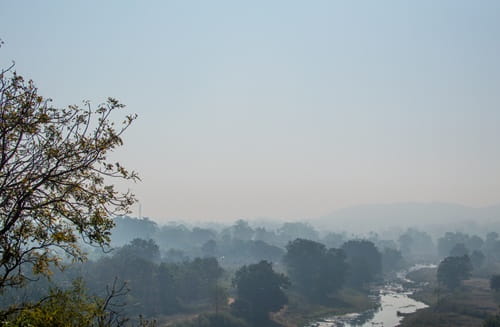
Kandhamal District, Odisha — Quick Overview
| Feature | Details |
| State | Odisha |
| District Headquarters | Phulbani |
| District Formed | 1 January 1994 (divided from Phulbani district into Kandhamal and Boudh) |
| Area | 7,649 sq km |
| Location | Central Odisha; Eastern Ghats |
| Major Tribal Community | Kandha (Kondh) — district named after them |
| Famous For | Daringbadi Hill Station (Kashmir of Odisha), GI-tagged Kandhamal Haldi turmeric, Putudi Waterfall, Kotgarh Wildlife Sanctuary, Kotagarh Waterfall |
| Borders | Boudh (W), Ganjam (S), Gajapati (SE), Rayagada (S), Kalahandi (W), Balangir (NW), Nayagarh (N & NE) |
| Key Rivers | Salunki, Brutanga, Doluri |
| Nearest Airport | Biju Patnaik International Airport, Bhubaneswar (~211 km) |
| Nearest Railway Station | Berhampur (~165 km); Rairakhol (~100 km from Phulbani) |
| Best Time to Visit | September to May |
| Summer Temperature | 30°C – 45°C (plains); cooler in highlands |
| Winter Temperature | 2°C – 20°C (Daringbadi can go below 0°C) |
| Annual Rainfall | ~1,522 mm |
History of Kandhamal District
Ancient Origins — The Atavika Country
Kandhamal’s recorded history extends to the 3rd century BCE, when this mountainous region was identified in Ashokan-era records as an “unconquered Atavika country” — a territory that resisted Mauryan administrative incorporation even as Ashoka extended his empire across much of the subcontinent. The forested highlands and the fierce independence of the Kandha tribal communities made this region difficult to pacify, and historical records indicate that the Kandha land maintained its autonomous character through the Maurya period and beyond.
The name Kandhamal itself derives from the Kandha (Kondh) tribe — the vigorous indigenous people who have “dwelt the land” since antiquity, as historical records describe. These were not passive subjects of any empire. The Kandha people maintained their own political structures, territorial control, and religious practices — including the Meria ritual (human sacrifice to the Earth Goddess) that was documented by British administrators in the 19th century and formally suppressed through a multi-decade campaign.
Colonial Period and Khond Wars
The district’s most dramatic historical chapter under colonial rule was the series of military campaigns known as the Khond Wars (1836–1857). The British administration attempted to suppress the Meria sacrifice tradition and extend administrative control into the Kandha highlands — encountering fierce resistance from communities that had resisted centralised authority for millennia. The campaigns were eventually successful in administrative terms but left a complex legacy of resistance and accommodation that shaped the tribal identity of the region.
District Formation
Kandhamal was constituted as a separate district on 1 January 1994, when the old Phulbani district was divided into Kandhamal and Boudh. Phulbani town became the headquarters of the new Kandhamal district, while Boudh became a separate entity.
Top Attractions in Kandhamal District
Daringbadi — Kashmir of Odisha
The single most celebrated attraction in Kandhamal district, Daringbadi sits at approximately 915 metres (3,000 feet) above sea level in the Balliguda sub-division, about 110–120 km from Phulbani. It is the only hill station in Odisha and the only place in the state that experiences snowfall during winter — making it a genuinely unique destination in eastern India.
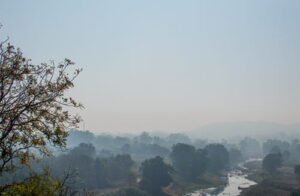
The landscape of Daringbadi is dominated by pine forests, coffee plantations, dense valleys, and the Doluri River flowing below. The temperature can drop below 0°C in winter, with genuine snowfall creating scenes completely unexpected in an Odisha context. In summer, Daringbadi’s cool temperatures make it the ideal escape from the coastal heat that grips the rest of the state.
Key attractions within and around Daringbadi:
Hill View Park — 3 km from Daringbadi, situated at the focal point of the Eastern Ghat ranges. A viewpoint over the valley below with green forest sweeping down on all sides. The vantage point captures the full scale of the highland landscape.
Butterfly Nature Park — Around 3 km from Daringbadi near Hill View Park, this is the second-largest butterfly park in Odisha after Nandankanan Zoological Park in Bhubaneswar. The 4-hectare forest park developed by the state forest department hosts 20–30 species of butterflies in their natural surroundings, particularly active in spring and winter.
Coffee Gardens — The coffee plantations on the hills around Daringbadi attract visitors throughout the year. Daringbadi is one of very few places in eastern India with an established coffee plantation culture, and the sight of coffee plants on green hillsides is a distinct visual identity for the area.
Padmatala Sanctuary — 37 km from Phulbani and 211 km from Bhubaneswar, this sanctuary is known for its Gharial crocodile habitat in the large pond at its centre. Surrounded by hills and dense forest, it is a quiet, genuine wildlife encounter site.
Putudi Waterfall
Located 15–18 km from Phulbani town, Putudi is Kandhamal’s most visited waterfall. The river Salunki (Bada Saluki) falls from a height of 60 feet (some sources cite 100 metres at high flow) through dense forest, creating a roaring, theatrical water display surrounded by quiet woodland. The combination of the accessible road connection, the forest atmosphere, and the sound of the falling water makes Putudi one of the most popular picnic destinations in central Odisha. Many regional films have been shot here, recognising its visual quality.
Balaskumpa and Barala Devi Temple
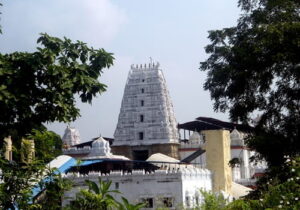
Balaskumpa, 15 km from Phulbani, is the location of the Barala Devi Temple — the presiding deity of Kandhamal district and the most important religious site in the region. Goddess Barala Devi is worshipped as the protector of mankind in Kandhamal’s tribal tradition. The Dussehra festival at Balaskumpa draws enormous crowds of devotees from across the district and beyond. The site is also located at the confluence of two hill streams where the River Pillasalki originates, and the Pillasalki Dam here makes it an excellent picnic destination alongside the temple.
Kotgarh Wildlife Sanctuary and Belghar Nature Camp
The Kotgarh Wildlife Sanctuary, approximately 120 km from Phulbani and 54 km from Baliguda, protects a significant area of the Eastern Ghats forest ecosystem with elephants, tigers, nilgai, wild boar, chital, and antelopes as its primary fauna. The sanctuary also has an aviary housing red jungle fowl, peafowl, peacocks, and various wild bird species.
Within the Kotgarh Elephant Reserve at Belghar — 139 km from Phulbani at approximately 2,555 feet above sea level — the Belghar Nature Camp (Eco-Resort) is one of the most praised ecotourism destinations in Odisha. The camp is operated by tribal women from Self-Help Groups, who manage accommodation in log houses and provide home-cooked food. Visitors consistently describe the experience as genuinely immersive in tribal woodland culture — quiet, clean, functional, and operated with remarkable hospitality. The mobile network is absent here, which is either the most or least attractive feature depending on the visitor.
Mandasaru Gorge and Valley
Located in the eastern part of Kandhamal district, Mandasaru is surrounded by dense tropical moist deciduous forest. The gorge ecosystem is one of the district’s most dramatic landscapes — narrow, steep-sided, forest-wrapped, with the river below. It is listed on the official government tourism portal as a key attraction.
Birupakshya Temple, Chakapad
Located 60 km from Phulbani near Chakapad (also spelled Chakapada), the Birupakshya Temple is dedicated to Lord Shiva (worshipped here as Sri Birupakhya). The temple is situated on a hill surrounded by forests, with the Brutanga River flowing nearby. Mahashivratri and Kartika Purnima are the major festivals, both drawing significant pilgrim gatherings. The approach is through a ghat road from the south.
Kotagarh Waterfall
In the Kotagarh block, approximately 375 metres — one of the tallest waterfalls in Odisha. Located about 160 km from Phulbani in a remote forested area, it is a destination for the dedicated traveller rather than the casual visitor. The Maa Bhabani Temple at Keshragu, 2 km from Kotagarh, is an additional religious stop.
Dungi — Buddhist Heritage
About 45 km from Phulbani on the Phulbani-Berhampur road in G. Udayagiri Tehsil, Dungi is the only archaeological site in Kandhamal district. A Buddhist Vihara from the 11th century once stood here; though now ruined, Shiva temples have been constructed at the site. The archaeological remains represent the district’s pre-tribal, Buddhist-influenced historical layer.
Temples and Religious Sites of Kandhamal District
| Site | Location | Deity/Tradition | Key Feature |
| Barala Devi Temple | Balaskumpa, 15 km from Phulbani | Goddess Barala Devi | Presiding deity of Kandhamal; massive Dussehra gathering |
| Birupakshya Temple | Chakapad, ~60 km from Phulbani | Lord Shiva (Birupakhya) | Hill temple in dense forest; Brutanga River below |
| Phulbani Jagannath Temple | Phulbani town | Lord Jagannath | Main temple of district headquarters town |
| Charisambhu Ananta Vishnu Temple | Phulbani area | Lord Vishnu (Ananta) | Ancient temple with Vaishnava tradition |
| Narayani Temples | Phulbani area | Goddess Narayani | Religious cluster in the Phulbani circuit |
| Chakapad Shiva Temple | Chakapad, ~55 km from Phulbani | Lord Shiva | Unique setting with southward-leaning trees inside premises |
Kandhamal Haldi — The GI-Tagged Turmeric
No description of Kandhamal is complete without its turmeric. Kandhamal Haldi is not just a spice — it is the district’s most celebrated economic and cultural product, with a Geographical Indication (GI) tag that formally recognises its distinctive quality. Grown organically by Kandha tribal communities on forest-fringed slopes without chemical inputs, it has a higher curcumin content and more pronounced aroma than commercially grown turmeric. The tribal farming system and the altitude and soil conditions of the Eastern Ghats combine to produce a turmeric that has earned it international attention in the organic and medicinal markets. Visiting the weekly tribal markets (haats) in the district during harvest season and purchasing directly from farmers is one of the most authentic experiences Kandhamal offers.
Kandha Tribal Culture and Craft
The Kandha (Kondh) community’s cultural life is integral to any visit to the district. Their handicrafts — cane and bamboo work, dokra (lost-wax metalwork), and terracotta — reflect a visual tradition shaped by forest living and tribal ceremonial practice. The weekly haats (tribal markets) scattered across the district are genuine exchanges where products are brought from village to market without the filtering of tourism infrastructure. For visitors interested in authentic tribal craft, Kandhamal’s markets are more unmediated than almost anywhere else in Odisha.
Weather in Kandhamal District
The district spans from the Phulbani plains (485 metres) to the Daringbadi highlands (915 metres), creating a range of microclimates.
September to May — Best Time: The best overall window, but with internal distinctions. September to November is post-monsoon — forests are brilliant green, waterfalls are full, and temperatures are pleasant. December to February brings genuine cold to Daringbadi (below 0°C possible) with snowfall — a unique draw for Odisha visitors. March to May is the recommended summer season when Daringbadi’s cool temperatures are most appreciated by visitors escaping coastal heat.
April to June — Summer (Plains): Phulbani town itself can reach 40–45°C. Daringbadi remains cool and is at its most popular as a summer escape.
June to September — Monsoon: Heavy rainfall across the district. Waterfalls are at their most spectacular. Road access to some remote sanctuaries can be disrupted.
Things to Do in Kandhamal
Winter Visit to Daringbadi — Time a December–January visit to experience Odisha’s only snowfall. The pine forest and coffee plantation combination is genuinely distinctive.
Belghar Nature Camp Stay — Book through the Odisha Ecotourism network. The community-run experience by tribal women is the district’s most culturally immersive overnight option.
Putudi Waterfall at Monsoon’s End — The waterfall at its fullest in September–October, combined with forest-walking trails through post-monsoon green landscapes.
Barala Devi Temple at Dussehra — The district’s largest annual gathering. Arrive a day before the peak for the atmosphere without the most intense crowds.
Tribal Haat Circuit — Ask at Phulbani for the weekly schedule of local tribal markets. The Saturday market at Phulbani itself and the mid-week haats in surrounding blocks offer the most direct access to Kandha craft and produce.
How to Reach Kandhamal
By Air: Biju Patnaik International Airport, Bhubaneswar, is 211 km away. From Bhubaneswar, direct buses to Phulbani take approximately 6–7 hours.
By Rail: No railway station in Kandhamal district. The nearest major station is Berhampur (Brahmapur), approximately 165 km from Phulbani. Rairakhol (Sambalpur district) is approximately 100 km away. Buses from both connect to Phulbani.
By Road: Kandhamal is connected to Bhubaneswar, Sambalpur, and Berhampur by road. The road through the Eastern Ghats ghats is winding and scenic. Private vehicles are the most comfortable option for reaching remote attractions.
Conclusion
Kandhamal rewards the traveller who arrives expecting a different Odisha. No crowded temple coast, no beach infrastructure, no heritage highway circuit — instead, pine forests at 3,000 feet, tribal markets selling GI-tagged turmeric, waterfalls in jungle clearings, and a Nature Camp where tribal women cook dinner on wood fires and the only light at night is the forest sky. For the right traveller, this is exactly the point.
FAQs About Kandhamal District, Odisha
Q1. What is Kandhamal famous for?
Kandhamal is famous for Daringbadi Hill Station (“Kashmir of Odisha”) — the only hill station in Odisha and the only place in the state that experiences snowfall. The district is also known for GI-tagged Kandhamal Haldi (turmeric), Putudi Waterfall, Kotgarh Wildlife Sanctuary, Belghar Nature Camp, and the Barala Devi Temple.
Q2. Does Daringbadi really experience snowfall?
Yes. Daringbadi at approximately 915 metres (3,000 feet) above sea level is the only place in Odisha that experiences snowfall during winter. Temperatures can drop below 0°C in December and January, with snowfall that gives it the popular nickname “Kashmir of Odisha.”
Q3. What is Kandhamal Haldi?
Kandhamal Haldi is turmeric grown by the Kandha tribal communities on the forest-fringed slopes of the Eastern Ghats in Kandhamal district. It has received a Geographical Indication (GI) tag from Intellectual Property India for its distinctive quality — higher curcumin content, more pronounced aroma — resulting from organic cultivation methods and the district’s specific altitude and soil conditions.
Q4. How far is Daringbadi from Bhubaneswar?
Daringbadi is approximately 290–310 km from Bhubaneswar by road. The journey from Phulbani (the district headquarters) to Daringbadi is about 110–120 km and takes 3–4 hours by road through the Eastern Ghats.
Q5. When is the best time to visit Kandhamal?
September to May is the recommended window. December–January is best for snowfall at Daringbadi; April–May for Daringbadi as a summer escape; September–November for post-monsoon waterfalls and forest greenery. Avoid the peak monsoon period (July–August) for remote site visits due to road conditions.