Raigad District, Maharashtra: Forts, Beaches, History, Temples & Travel Guide
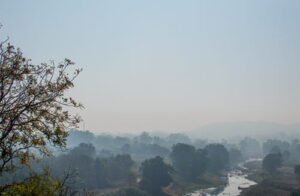
No other district in India carries quite the same combination of maritime drama and mountain fortress history as Raigad. The Arabian Sea forms its western boundary, dotted with island forts and white-sand beaches. The Sahyadri range rises sharply to the east, its sheer basalt cliffs topped by fort after fort built across five centuries of competing empires. Between sea and mountain, the Konkan plain runs in lush green strips of rice fields, mango orchards, and cashew groves.
Raigad’s defining historical chapter is Maratha. This is where Chhatrapati Shivaji Maharaj chose to make his capital — not in the plains but on a mountain. The Raigad Fort, rising 1,356 metres above the surrounding countryside, was where Shivaji was crowned Chhatrapati in 1674, establishing the formal sovereignty of the Maratha Empire. The British, who eventually captured it, called it the “Gibraltar of the East.” The Murud-Janjira Fort, standing on an island in the Arabian Sea, is the only fort in the Konkan that Shivaji never managed to take — it remained undefeated against Maratha, Mughal, Portuguese, and British attacks alike.
Add to this the beaches of Alibag, Kashid, and Murud; the hill station of Matheran (vehicle-free, reachable by toy train); the Buddhist caves at Kondhane; the river rafting on the Kundalika at Kolad; and the bird sanctuaries of Phansad — and Raigad becomes one of Maharashtra’s most diverse and rewarding districts.
Raigad District, Maharashtra — Quick Overview
| Feature | Details |
| State | Maharashtra |
| District Headquarters | Alibag |
| Area | 7,152 sq km |
| Location | Konkan region; south of Mumbai |
| Borders | Mumbai & Thane (N), Pune & Raigarh (E), Ratnagiri (S), Arabian Sea (W) |
| Famous For | Raigad Fort (Maratha capital), Murud-Janjira Fort (unconquered sea fort), Alibag beaches, Matheran hill station, Kolad river rafting |
| Key Rivers | Savitri, Kundalika, Patalganga, Amba, Ulhas |
| Nearest Airport | Chhatrapati Shivaji Maharaj International Airport, Mumbai (~55 km from Alibag) |
| Railway Stations | Panvel, Roha, Nagothane — on Konkan Railway and CST main line |
| Best Time to Visit | October to March (beaches & forts); July–August (monsoon waterfalls & greenery) |
| Summer Temperature | 28°C – 38°C |
| Winter Temperature | 18°C – 30°C |
| Languages Spoken | Marathi (primary), Hindi, Konkani |
| Key Taluks | Alibag, Murud, Roha, Mahad, Mangaon, Pen, Panvel, Khalapur, Matheran, Karjat, Uran, Sudhagad, Shrivardhan |
History of Raigad District
1. Ancient and Early Medieval Period
Raigad’s strategic importance along the Konkan coast has been recognised since ancient times. The district lay within the sphere of influence of the Mauryan Empire, the Satavahanas, and later the Silhara dynasty, which built several of the region’s earliest hill fortifications. The area served as a major trade gateway — ships from Arabia, Persia, and Portugal anchored along this coastline, and the mountain passes through the Sahyadri connected the coast to the Deccan plateau and the interior trade routes.
The establishment of defensive forts across the Sahyadri began in the 14th century during the period of the Bahmani Sultanate and its successors. The coast saw successive Portuguese, Adil Shahi, and Nizam Shahi control before the rise of the Marathas fundamentally changed the regional power equation.
2. Chhatrapati Shivaji Maharaj and the Maratha Empire
The defining historical chapter of Raigad begins with Shivaji Maharaj’s capture and transformation of the Raigad Fort in 1656. Raigad — known as Rairi before Shivaji renamed it — was chosen as the Maratha capital for its near-impregnable position on a 1,356-metre basalt plateau surrounded by vertical cliffs on three sides. The fort’s chief engineer, Hiroji Indulkar, oversaw the construction of palaces, granaries, market streets (Hujur Bazaar), guard towers, and the Jagadishwar temple within its walls.
On 6 June 1674, Shivaji Maharaj was crowned Chhatrapati — King of Kings — at Raigad Fort, in a formal coronation ceremony of enormous symbolic significance. It was the first formal establishment of an independent Hindu sovereign state in the Deccan since the fall of Vijayanagara more than a century earlier. Shivaji died at Raigad in 1680, and his samadhi (memorial) stands within the fort complex.
The Murud-Janjira Fort, meanwhile, presents the one chapter that complicates the Maratha narrative. Built by the Abyssinian Sidis beginning in 1567 on an island off the Murud coast, Janjira remained unconquered throughout Shivaji’s lifetime and beyond — despite multiple attempts. The fort’s 40-foot walls rising from the sea, its 19 rounded bastions, its freshwater lakes inside the island, and its arsenal of over 570 cannons (in its prime) made it one of the most formidable fortifications in Asia.
3. Portuguese and British Period
The Portuguese built the Revdanda Fort at the mouth of the Kundalika River in 1524, and the Korlai Fort on the coast. Both represent the era of Portuguese maritime dominance on the Konkan coast. The Karnala Fort near Panvel changed hands between the Devagiri Yadavas, Tughlaqs, Gujarat Sultanate, Portuguese, and finally Marathas and British across four centuries. The British eventually consolidated control over the district in 1818, calling Raigad Fort the “Gibraltar of the East” — a tribute to its reputation even in its captured and partially ruined state.
Top Attractions in Raigad District
1. Raigad Fort — The Maratha Capital
Raigad Fort is the district’s most historically significant attraction and one of the most important Maratha heritage sites in India. Located approximately 25 km from Mahad, perched 1,356 metres above the surrounding plains, it is accessible either by a climb of approximately 1,737 stone steps or by a ropeway (aerial tramway) that makes the ascent dramatically easier.
Within the fort complex: the ruins of the royal palace, the Jagadishwar Temple (dedicated to Shivaji’s patron deity), the Samadhi of Shivaji Maharaj, the Hujur Bazaar (the medieval market street), the Queen’s quarters, granaries, guard towers, Takmak Point (the historic execution cliff with stunning views), and the Raigad Museum with Maratha-era artifacts. The fort walls and gates — particularly the Maha Darwaja (main entrance) and the Nagarkhana Darwaja — are in reasonable condition for a 17th-century structure.
The fort gates open from dawn to dusk. The ropeway makes it accessible for all fitness levels. Overnight stays are possible at the MTDC property at the base. The best months are October through February.
2. Murud-Janjira Fort — The Unconquered Sea Fort
Off the coast of Murud town, 165 km south of Mumbai, sits one of the most dramatic forts in India. Murud-Janjira is an island fort — oval-shaped, surrounded entirely by the Arabian Sea, accessible only by boat from the Rajapuri jetty. The fort wall stands 40 feet high and contains 19 rounded bastions, some still carrying cannons. Three of the original 570+ cannons survive: Kalalbangdi, Chavri, and Landa Kasam — each of legendary range and power.
Inside, the ruins include the Grand Palace of the Nawabs (partially intact), the Darbar Hall, officer quarters, barracks, a mosque, two natural freshwater lakes within the island fortress (a remarkable engineering achievement), and an old Koli temple dedicated to Goddess Bhavani. The sea-facing Darya Darwaza (Sea Gate) was the escape route in times of siege.
The fort was built by the Abyssinian Sidis beginning in 1567 and remained in their control through centuries of Maratha, Mughal, Portuguese, and British attempts at capture. That sustained invincibility is the single most extraordinary fact about Murud-Janjira. Boats run from Rajapuri jetty between 9 AM and 4:30 PM. Boat tickets range from ₹20–300 depending on vessel type and group size.
3. Alibag — Beaches and Kolaba Fort
Alibag is the district headquarters and the primary beach destination of Raigad — about 95 km from Mumbai by road (or 1 hour by catamaran from the Gateway of India). The town’s own beach is pleasant but what surrounds it is better: Kihim Beach (quiet, forested, with good birdwatching), Varsoli Beach, Nagaon Beach, and the southern beaches toward Kashid are all within day-trip range.
Kolaba Fort (also called Alibag Fort) sits just offshore from Alibag beach, accessible by walking during low tide or by boat during high tide. Built by Shivaji Maharaj in the 17th century as a chief naval station of the Maratha Empire, the fort has a working temple (Shri Siddhivinayak Ganapati) still receiving daily puja, a Shiva temple, freshwater wells within sea walls, and wide ramparts with Arabian Sea views.
4. Matheran — Vehicle-Free Hill Station
Matheran is one of India’s most unusual hill stations — a small plateau town in the Sahyadri at approximately 800 metres elevation, accessible by road only to its outskirts. All vehicles are banned within the town itself, making it one of the few genuinely car-free hill station experiences in the country. The approach by the Matheran Hill Railway — a narrow-gauge toy train that climbs through forest from Neral — is itself one of the journey’s great pleasures.
Once in Matheran, viewpoints like Echo Point, Panorama Point, and Louisa Point offer elevated views over the Konkan plains and the Sahyadri ridgelines. The plateau’s forest trails support leopards, monkeys, and rich birdlife. The absence of vehicles and the enforced quiet give Matheran an atmosphere unlike any other hill station.
5. Kashid Beach
About 50 km from Alibag on the Alibag–Murud road, Kashid has one of the most striking beaches on the Konkan coast — white sand (unusual for Maharashtra’s predominantly dark-sand beaches), casuarina trees lining the shoreline, and clear water that makes it one of the most photographed beaches in Raigad. It has developed significantly as a resort destination while still retaining a more natural character than Goa’s commercial beaches. Water sports facilities are available in season.
6. Kolad — River Rafting on the Kundalika
Kolad in Roha taluka has become Maharashtra’s premier white-water rafting destination. The Kundalika River, fed by controlled water releases from the Bhira Dam, provides rapids ranging from Grade II to IV — suitable for beginners with guides and genuinely challenging for experienced rafters. The surrounding landscape of forested hills and the river valley is visually attractive. Rafting operates best from June to September when dam releases are highest, though the activity runs year-round.
7. Karnala Fort and Bird Sanctuary
About 10 km from Panvel, Karnala Fort sits atop a distinctive conical rock that makes it one of the most visually recognisable forts in the district. The surrounding Karnala Bird Sanctuary is home to over 150 bird species and is one of the better birdwatching locations within easy reach of Mumbai. The fort itself has a complex history — built before 1400 under the Devagiri Yadavas, subsequently controlled by the Tughlaqs, Gujarat Sultanate, Portuguese, Nizam Shah, Marathas, and finally the British. The trek to the fort is rated easy to moderate.
8. Kondhane Buddhist Caves
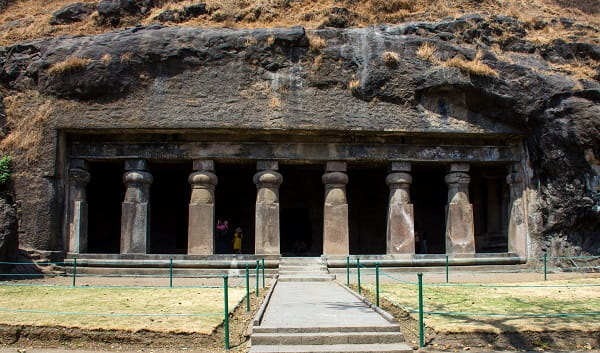
Hidden in the Sahyadri near Khopoli, the Kondhane Caves are rock-cut Buddhist caves dating to approximately the 1st century BCE — contemporaneous with the Karla and Bhaja caves in Pune district. The caves include chaitya halls, viharas, and water cisterns, and the approach requires a forest trek that is genuinely rewarding in the monsoon months when the surrounding hillsides are brilliant green. The site is significantly less crowded than the more famous Buddhist cave complexes in Maharashtra.
9. Phansad Bird Sanctuary
Located about 165 km from Mumbai near Murud, Phansad is primarily a wildlife sanctuary — though its name suggests birds, it also supports leopards, monkeys, deer, and a rich range of smaller mammals and reptiles. The birdwatching is excellent, particularly for forest species: leaf birds, Asian Paradise Flycatcher, sunbirds, bulbuls, hornbills, and drongos are regularly sighted. The sanctuary terrain involves forest walks of 10–12 km return — manageable for moderate fitness levels.
10. Harihareshwar — Temple and Beach
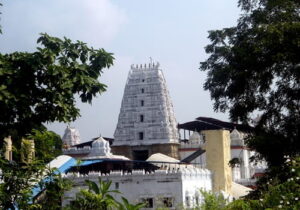
On a promontory at the southern edge of Raigad district where the Savitri River meets the Arabian Sea, Harihareshwar is a significant pilgrimage town built around the Harihareshwar Temple dedicated to Lord Shiva. The rocky coastline and the multiple beaches here — Harihareshwar Beach, Srivardhan Beach — have a rugged coastal beauty that is less manicured than Alibag or Kashid. The temple is located on a rocky headland with sea views on three sides and is one of the most atmospheric Shiva temples on the Konkan coast.
Temples and Religious Sites of Raigad District
| Site | Location | Deity / Tradition | Key Feature |
| Jagadishwar Temple | Raigad Fort summit | Lord Shiva | Built by Shivaji Maharaj; within the Maratha capital fort complex |
| Harihareshwar Temple | Harihareshwar, south Raigad | Lord Shiva | Rocky promontory at Savitri-sea confluence; major Konkan pilgrimage site |
| Kanakeshwar Temple | ~10 km from Alibag | Lord Shiva | Hilltop temple, 370 metres; 700+ steps; panoramic Konkan views |
| Suvarnaganesh Temple | Diveagar, ~75 km from Alibag | Lord Ganesha (gold idol) | Golden Ganesha idol over 1 kg; discovered buried in coconut grove |
| Koli Temple — Murud-Janjira | Inside the fort | Goddess Bhavani | Ancient temple within the unconquered sea fort |
| Shri Siddhivinayak — Kolaba Fort | Alibag offshore | Lord Ganesha | Active temple within sea fort, receiving daily puja |
| Elakurichi Church | Elakurichi | Catholic (Jesuit) | Historical church associated with Constantine Beschi (Virama Munivar) |
| Revdanda Fort Church Ruins | Revdanda | Catholic (Portuguese) | 16th-century ruins with bastions named after saints |
Weather in Raigad District — Season by Season
Raigad has a tropical coastal climate typical of the Konkan — humid, with heavy monsoon rainfall, warm winters, and the relatively brief but beautiful post-monsoon green season.
October to March — Best Time to Visit
The clearest and most comfortable period. October and November bring post-monsoon brilliance — the landscape is intensely green, the air is clear, and the sea is calmer for fort boat trips to Murud-Janjira. December through February is pleasant with temperatures between 18°C and 28°C — ideal for beach stays, fort treks, and the Matheran experience. March begins to warm. This is the peak tourist season for Alibag, Kashid, and Murud.
June to September — Monsoon
The Konkan monsoon is intense — Raigad receives very heavy rainfall, particularly along the Sahyadri slopes. The landscape transforms spectacularly. Waterfalls appear everywhere, the Kundalika River swells for its best rafting conditions, the forest around Kondhane and Phansad is brilliant. However, sea conditions make Murud-Janjira boat trips unreliable and sometimes cancelled. Fort treks on wet basalt require caution. The monsoon is best experienced by those who plan specifically for it rather than arriving without preparation.
April to May — Summer
Humid and increasingly hot — temperatures climb toward 35–38°C. The coastal humidity makes the heat feel worse than it reads. Beach trips remain possible early morning and evening. This is the least comfortable sightseeing season.
Things to Do in Raigad District (2026)
Climb Raigad Fort — Take the ropeway up, walk the entire fort complex at your own pace for 2–3 hours, then climb down the steps for the full physical experience. Carry water; facilities inside are limited. October to February is ideal.
Boat to Murud-Janjira — From Rajapuri jetty (near Murud). Book the boat early at the jetty — private boat hire for a group offers more time inside. Explore the cannons, palace ruins, freshwater lakes, and Darya Darwaza. Allow 2–3 hours including travel.
Beach Circuit — Alibag to Murud — The coastal road from Alibag southward through Kihim, Nagaon, Varsoli, Kashid, and Murud is one of Maharashtra’s finest coastal drives, passing sea forts, fishing villages, coconut groves, and increasingly beautiful beaches. Two days is the minimum to do it properly.
River Rafting at Kolad — Book through a registered operator. The Kundalika is at its best July to September; check dam release schedules before planning.
Matheran Weekend — Take the toy train from Neral on Saturday morning. Spend the afternoon on the viewpoint trails. Stay overnight. Walk Echo Point and Panorama Point on Sunday morning in the quieter early light. Return by Sunday evening.
Explore Kondhane Buddhist Caves — A forest trek of moderate difficulty near Khopoli that rewards with genuine early Buddhist rock-cut architecture and no crowds. Best in the cooler months on a weekday.
Visit Harihareshwar for the Temple and Coast — The southern tip of Raigad is less developed than Alibag and more dramatic. The Harihareshwar Temple headland at dusk is one of the finest coastal religious settings in Maharashtra.
How to Reach Raigad District
By Ferry/Catamaran: The fastest route from Mumbai to Alibag (the district headquarters) is by catamaran from the Gateway of India — approximately 1 hour. Multiple services operate daily.
By Road: Alibag is approximately 95 km from Mumbai via Pen. Panvel (near Mumbai) is the northern gateway for the Karjat and Matheran areas. The Alibag–Murud–Harihareshwar coastal road covers the southern part.
By Train: Panvel and Roha are the key railway stations serving Raigad, on the Central Railway and Konkan Railway lines respectively. Neral is the starting point for the Matheran Hill Railway.
By Air: Chhatrapati Shivaji Maharaj International Airport, Mumbai, serves the entire district.
Practical Tips for Visitors (2026)
- Murud-Janjira boats do not operate in rough sea conditions — check weather forecasts before planning a monsoon visit.
- Raigad Fort ropeway timings vary by season — confirm current operating hours before visiting.
- Matheran is vehicle-free; leave your car at the base parking and walk or hire a horse/hand-pulled rickshaw within the town.
- Kolad rafting requires booking with a registered operator. Confirm dam release schedules — rafting is heavily dependent on water levels.
- Carry cash for Murud boat tickets, Raigad fort entry, and purchases in small coastal towns — digital payment coverage is uneven outside Alibag town.
- Kashid and Alibaug resorts fill up on weekends and holidays — book accommodation a week in advance for October to January visits.
Conclusion
Raigad is one of those districts where the geography and the history amplify each other. The Sahyadri cliffs look exactly right as the backdrop to a warrior empire’s capital. The Arabian Sea looks exactly right as the setting for a fortress that defied everyone who tried to take it. The Konkan plain between them looks exactly right as the landscape through which Maratha cavalry rode between engagements, through mango orchards and rice paddies still much the same as they were in the 17th century.
For any traveller interested in Maratha history, coastal Maharashtra, fort architecture, or simply a stretch of beach backed by genuine landscape rather than development, Raigad delivers consistently — and with a historical depth that neither Goa nor the Mumbai suburbs can match.
FAQs About Raigad District, Maharashtra
Q: is Raigad district famous for?
A: Raigad is famous for Raigad Fort — the capital of Chhatrapati Shivaji Maharaj’s Maratha Empire and site of his 1674 coronation — and for Murud-Janjira, an island sea fort that remained unconquered throughout the Maratha, Mughal, Portuguese, and British periods. The district is also known for Alibag beaches, Matheran hill station, Kolad river rafting, and the Karnala Bird Sanctuary.
Q: How far is Raigad from Mumbai?
A: Alibag (district headquarters) is approximately 95 km from Mumbai by road. The fastest route is by catamaran ferry from the Gateway of India — approximately 1 hour. Panvel and Karjat in the northern part of the district are 50–60 km from Mumbai by train.
Q: Was Murud-Janjira Fort ever captured?
A: No. Murud-Janjira remained undefeated throughout its entire history, despite multiple attempts by Chhatrapati Shivaji Maharaj, the Mughals, the Portuguese, and the British. It is considered one of the few truly unconquered sea forts in India.
Q: What is the best time to visit Raigad?
A: October to March is the best period for beaches, fort visits, and hill station experiences. July to September (monsoon) is ideal for river rafting at Kolad and experiencing the dramatic landscape, though sea conditions make some fort boat trips difficult.
Q: How do you reach Murud-Janjira Fort?
A: From Murud town, take a road or bus to Rajapuri jetty (approximately 8 km). Boats run from the jetty to the island fort between 9 AM and 4:30 PM. Shared boats and private hire are both available. The boat ride takes approximately 15–20 minutes.