Koraput District, Odisha: Top Attractions, History, Temples, Weather & Things to Do
Koraput district sits in the Eastern Ghats of southern Odisha, a land that ancient Puranic scriptures identify as Dandakaranya — the legendary forest refuge where Lord Rama spent a portion of his exile during the Ramayana. This deep mythological connection layers atop a documented dynastic history spanning the Satavahanas, Ikshvakus, Nalas, Ganga kings, Silavamsi rulers, and the kings of the solar dynasty, with the ancient capital shifting from Pushkari near modern Umarkote, to Nandapur under the Silavamsi kings, and finally to Jeypore around the mid-17th century under Viravikrama Deo.
Today Koraput is celebrated as one of Odisha’s most authentic tribal heartlands, where the Neolithic Bonda tribe still emerges from inaccessible forest for the weekly Thursday market at Onukadelli, where Deomali — Odisha’s highest peak at 1,672 metres — offers paragliding and trekking amid the Eastern Ghats, and where Duduma Waterfall (also called Matsya Tirtha) plunges 175 metres at the Odisha-Andhra Pradesh border. Combined with Gupteswar’s sacred Shiva cave, the unique tribal-priest-led Jagannath Temple at Sabara Srikhetra, and India’s fourth-highest broad-gauge railway tunnel at Maliguda, Koraput offers travellers genuine immersion in tribal culture and Eastern Ghats wilderness.
Koraput District, Odisha — Quick Overview
| Feature | Details |
| State | Odisha |
| District Headquarters | Koraput town |
| Largest Town | Jeypore |
| District Formed | 1 April 1936 (part of Madras Presidency before); subdivided in October 1992 |
| Mythological Identity | Dandakaranya (Ramayana’s forest of exile) |
| Famous For | Deomali Peak, Duduma Waterfall, Gupteswar Cave Temple, Sabara Srikhetra Jagannath Temple, Onukadelli tribal market |
| Area | 8,379 sq km |
| Subdivisions | Koraput, Jeypore |
| Nearest Airport | Visakhapatnam Airport (~130-260 km depending on source) |
| Railway Station | Koraput Junction; Jeypore Station |
| Best Time to Visit | October to March |
History of Koraput District
Ancient Dynastic Succession
Koraput district was ruled by several successive dynasties — the Satavahanas, Ikshvakus, Nalas, Ganga kings, and kings of the Surya Vamsa (solar dynasty). In ancient times, the Nalas governed this tract with Pushkari, near modern Umarkote, as their capital city. In the medieval period, Nandapur developed as the capital under the Silavamsi kings, and subsequently under the kings of the solar dynasty.
The Shift to Jeypore
Viravikrama Deo of the solar dynasty shifted his capital to Jeypore around the middle of the 17th century, developing it into a prosperous trading town. Jeypore flourished under subsequent British administration, becoming part of the erstwhile Madras Presidency before Koraput became a district of Odisha state on 1 April 1936.
District Subdivision (1992)
In October 1992, the erstwhile larger Koraput district was divided, resulting in the creation of Malkangiri, Rayagada, and Nabarangpur districts alongside the present, more compact Koraput district — a major administrative reorganisation that significantly redefined the district’s modern boundaries.
Gupteswar Cave — The Rama Legend
According to legend, Lord Rama himself stumbled upon the hidden Gupteswar Cave during his exile, with the site later rediscovered centuries afterward during the reign of Maharajah Veer Vikram Dev. The cave’s most captivating feature is its colossal, naturally carved Shiva Linga, rumoured among devotees to be perpetually growing in stature.
Top Attractions in Koraput District
Deomali — Odisha’s Highest Peak
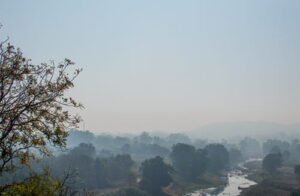
Standing at 1,672 metres (some sources cite 1,762m) within the Eastern Ghats, Deomali is Odisha’s highest mountain peak, offering breathtaking panoramic views and serving as an ideal destination for trekking, paragliding, and aero-gliding expeditions. The summit reveals a sprawling vista of the majestic Eastern Ghats range, with sunrise views from the top described by visitors as genuinely magical — clouds floating beneath the peaks in a sea of mist, accompanied by crisp, cool mountain air.
Duduma Waterfall (Matsya Tirtha)
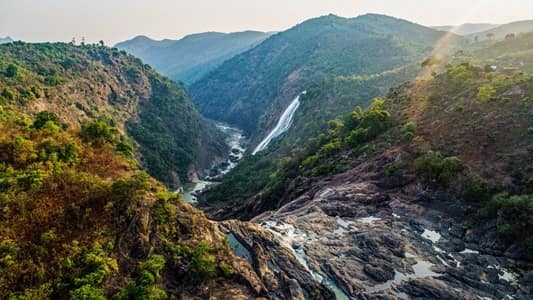
Located 70 km south of Jeypore and 88 km from Koraput, Duduma Waterfall — also known by its ancient pilgrimage name Matsya Tirtha — plunges from a height of 175 metres (some sources cite 157m), making it one of the highest waterfalls in southern India. Formed by the Machhkund River as it flows through rugged terrain straddling the Odisha-Andhra Pradesh border, the waterfall is nicknamed “Twin Falls” for its cascading waters splitting into separate pools. A hydroelectric project has been established at the site, with the surrounding township developed for this purpose. Rock-climbing enthusiasts attempt the base of the falls from the opposite hillside, though tribals warn the route is “terribly strenuous.” Winter is the ideal season for picnics here.
Gupteswar Cave Temple
Located on the banks of the Kolab River approximately 80 km from Koraput, Gupteswar is a sacred Shiva cave shrine carved into a limestone hill, housing a Swayambhu Shivling whose name literally translates to “the Hidden God.” Surrounded by lush green forests and hills amid scenic bliss, the temple draws thousands of pilgrims especially during the holy month of Shravan, with the journey through the cool cave environment adding genuine spiritual atmosphere to the visit.
Sabara Srikhetra — Jagannath Temple, Koraput
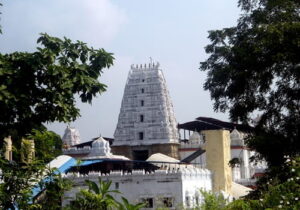
Located approximately one km from Koraput’s district headquarters at an elevation of 940 metres, Sabara Srikhetra houses one of Odisha’s most distinctive Jagannath temples — constructed in 1972, where local tribal priests perform all rituals of Lord Jagannath, rather than the traditional Brahmin priesthood found at most Jagannath shrines. The temple permits entry to people irrespective of religion, caste, or creed, and the Rath Yatra here is specifically linked to the Saura tribal community, who worship Lord Jagannath as their principal deity. “Anla Navami” is celebrated annually with vibrant gatherings.
Maliguda Tunnel
Located on a hilltop in Maliguda village, approximately 21 km east of Jeypore and 35-50 km from Koraput town (sources vary), the Maliguda Tunnel is India’s fourth-highest broad-gauge railway tunnel, constructed in collaboration with Japan between 1961 and 1966. Standing atop a hill, the tunnel offers breathtaking views of surrounding forests and hills, with trains snaking through the curves and entering the tunnel amid bellowing smoke creating a genuinely glorious photographic scene — making it an ideal weekend picnic destination.
Onukadelli — Bonda Tribal Market
Located approximately 90 km from Koraput, Onukadelli draws significant attraction from both domestic and foreign tourists for its weekly Thursday market, where the Neolithic Bonda tribe emerges from largely inaccessible forest territory to trade. This represents one of the most authentic and significant tribal cultural encounters available in eastern India, offering genuine insight into one of the country’s most isolated indigenous communities.
Nandapur — Batrisa Singhasan
Situated 30 km from Sunabeda and once the old capital of the Koraput kingdom under the Silavamsi kings, Nandapur is famous for the Batrisa Singhasan — a legendary 32-step throne linked to the fabled throne of King Vikramaditya of Ujjain, which remains a major crowd-puller in the area. The site also features a striking 1.8-metre red Ganesh idol at the Ganesh Temple and the Sarbaeswar shrine in distinctive Odishan architectural style.
Subai Jain Monastery
Located 10 km from Nandapur and 34 km from Koraput town, Subai is renowned for its Jain monastery complex featuring five Jain temples, dedicated to Mahavira, Parshvanatha, Rishabhanatha, and other Tirthankaras — a significant marker of Jainism’s historical presence in this otherwise predominantly Hindu and tribal region.
Jagannath Sagar Lake
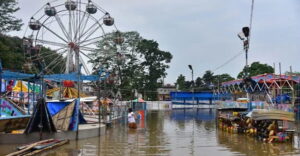
Located 22 km from Koraput, this 255-year-old reservoir spreads across 67 hectares and once supplied water needs for Jeypore. Today the lake’s western bank features a beautiful amusement park with an open pandal and boating bay, making it a popular evening hangout spot for the city.
Kolab Dam and Reservoir
Situated at approximately 3,000 feet above sea level near Koraput town, Kolab Dam and its reservoir offer scenic boating, picnic opportunities, and beautiful landscapes against a backdrop of hills, with the nearby Kolab Botanical Garden providing a haven of tranquillity ideal for families.
Tribal Museum, Koraput
Founded in 1992 and located behind the Sabara Srikhetra Jagannath Temple, the Tribal Museum holds great importance for its authentic display of Odisha’s tribal culture, showcasing tools, weapons, clothes, utensils, costumes, hand-woven fabrics, and musical instruments used by the region’s diverse tribal communities — offering visitors a genuine glimpse into largely unexplored indigenous life.
Temples and Religious Sites of Koraput District
| Temple/Site | Location | Deity/Tradition | Key Feature |
| Gupteswar Cave Temple | Banks of Kolab River, ~80 km from Koraput | Lord Shiva (Swayambhu Linga) | Limestone cave shrine; Rama exile legend |
| Sabara Srikhetra Jagannath Temple | Koraput town | Lord Jagannath | Built 1972; tribal priests; Saura tribe’s principal deity |
| Subai Jain Monastery | ~34 km from Koraput | Mahavira, Parshvanatha, Rishabhanatha | Five Jain temples; significant Jain heritage |
| Sri Ram Temple, Dumuriput | Dumuriput village | Lord Rama | Tallest kneeling Hanuman statue in Odisha |
| Ganesh Temple, Nandapur | Nandapur | Lord Ganesh | 1.8-metre red Ganesh idol; Batrisa Singhasan site |
Weather in Koraput District
October to March — Best Time: Cool, pleasant weather makes this the ideal period for trekking Deomali, exploring Gupteswar Cave, visiting Duduma Waterfall, and engaging in the district’s outdoor and tribal cultural activities.
November (Parab Festival): The annual tribal “Parab” festival, organised by the District Council of Culture, runs through the entire month with sports, mountain trekking, boat racing, an artists’ camp, crafts mela, and exhibitions culminating in a grand gala event at the Koraput Parab ground.
Summer/Monsoon: The region remains comparatively cooler than other parts of Odisha even in warmer months, though monsoon rains intensify Duduma’s waterfall flow significantly.
Things to Do in Koraput District (2026)
Sunrise Trek to Deomali Peak — Witness Odisha’s highest point at dawn, with clouds floating below and panoramic Eastern Ghats views.
Visit Duduma Waterfall in Winter — Time a visit for the cooler months for the most comfortable picnic experience at this 175-metre cascade.
Spiritual Visit to Gupteswar Cave — Especially meaningful during Shravan month, combining the limestone cave’s natural beauty with deep Shaivite devotion.
Thursday Tribal Market at Onukadelli — Witness the Neolithic Bonda tribe’s weekly market for an authentic, rare cultural encounter.
Photograph the Maliguda Tunnel Train — Capture trains emerging from India’s fourth-highest broad-gauge tunnel against a backdrop of forested hills.
Boating at Jagannath Sagar and Kolab Dam — Combine the historic 255-year-old lake with the scenic Kolab reservoir for a relaxed day of water-based recreation.
How to Reach Koraput District
By Air: Visakhapatnam Airport is the nearest, with sources citing distances ranging from approximately 130 km to 260 km depending on the specific destination within the district.
By Train: Koraput Junction connects to major cities including Visakhapatnam and Bhubaneswar via a scenic route through Rayagada; Jeypore also has its own railway station.
By Road: Regular buses run from major cities of Odisha and Andhra Pradesh to Jeypore and Koraput town.
Conclusion
Koraput district delivers one of eastern India’s most complete tribal-and-nature travel experiences — Odisha’s highest peak at Deomali, a 175-metre waterfall at the Andhra Pradesh border, a Jagannath temple uniquely served by tribal priests, and the Neolithic Bonda tribe’s living weekly market at Onukadelli. Layered with Ramayana-era mythology, Jain monastic heritage, and a 17th-century royal capital at Jeypore, Koraput rewards travellers seeking the Eastern Ghats’ deepest cultural and natural authenticity.
FAQs About Koraput District, Odisha
Q1. What is Koraput district famous for?
A: Koraput is famous for Deomali Peak (Odisha’s highest mountain), Duduma Waterfall (175 metres, also called Matsya Tirtha), the Gupteswar Cave Temple dedicated to Lord Shiva, the tribal-priest-led Sabara Srikhetra Jagannath Temple, and the weekly Bonda tribal market at Onukadelli.
Q2. What is the connection between Koraput and the Ramayana?
A: Ancient Puranic scriptures identify the Koraput region as part of Dandakaranya — the legendary forest refuge where Lord Rama spent a portion of his exile. Local legend specifically holds that Rama discovered the Gupteswar Cave during this period, with the cave later rediscovered during the reign of Maharajah Veer Vikram Dev.
Q3. What is unique about the Sabara Srikhetra Jagannath Temple?
A: Built in 1972 in Koraput town, this Jagannath temple is distinctive because local tribal priests perform all the religious rituals, rather than the traditional Brahmin priesthood found at most Jagannath shrines. The temple’s Rath Yatra is specifically linked to the Saura tribal community, who worship Lord Jagannath as their principal deity, and the temple permits entry to all visitors regardless of religion, caste, or creed.
Q4. Who are the Bonda tribe and where can visitors encounter them?
A: The Bonda are a Neolithic tribal community who inhabit largely inaccessible forest territory in Koraput district. Visitors can encounter them at Onukadelli, approximately 90 km from Koraput, where the Bonda emerge from the forest for a weekly Thursday market — one of the most authentic tribal cultural experiences available in eastern India.
Q5. When is the best time to visit Koraput district?
A: October to March offers the most pleasant weather for trekking, sightseeing, and exploring the district’s waterfalls and tribal markets. November is particularly significant for the month-long “Parab” tribal festival, featuring sports, trekking, boat races, and crafts exhibitions across the district.