Ballia District, Uttar Pradesh: Top Attractions, History, Temples, Weather & Things to Do
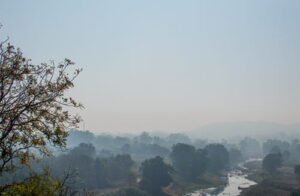
Ballia district occupies the easternmost corner of Uttar Pradesh, with one corner touching the sacred River Ganges and another the River Ghaghara (Ghagra/Saryu), sitting at the borders of both Bihar and the cultural world of Bhojpuri-speaking eastern India. The district’s name carries royal origins: according to local tradition, it derives from King Bali — the legendary ruler known for his exceptional kindness and charity — whose memory is embedded in the town’s identity even today.
Ballia is widely nicknamed “Baghi Ballia” — Rebellious Ballia — because it became the only district in India to briefly declare independence from British rule during the Quit India Movement in August 1942, when local leaders established a temporary parallel government. This distinction makes Ballia one of India’s most historically charged freedom-struggle towns, a legacy complemented by its role as birthplace of former Indian Prime Minister Chandra Shekhar and numerous distinguished scholars of Hindi literature including Hazari Prasad Dwivedi, Bhairav Prasad Gupt, and Amar Kant.
Ballia District, Uttar Pradesh — Quick Overview
| Feature | Details |
| State | Uttar Pradesh |
| Division | Azamgarh Division |
| District Headquarters | Ballia city |
| District Formed | 1879 (from Ghazipur district) |
| Nickname | “Baghi Ballia” (Rebellious Ballia) |
| Famous For | Dadri Mela (Asia’s 2nd largest cattle fair), Bhrigu Ashram, Surha Tal Bird Sanctuary |
| Key Rivers | Ganga (north), Ghaghara/Saryu (east) |
| Birthplace | Chandra Shekhar (former PM of India) |
| Tehsils | Ballia, Bansdih, Rasra, Bairia, Sikandarpur, Belthara |
| Nearest Airport | Lal Bahadur Shastri Airport, Varanasi; Patna Airport |
| Best Time to Visit | October to February |
| Summer Temperature | Extremely hot; 2023 heat wave killed 54 people |
History of Ballia District
King Bali and Ancient Origins
Ballia gets its name from King Bali, a legendary ruler celebrated in Hindu tradition for his extraordinary charity and kindness. Beyond this royal naming, the district sits within a historically significant Gangetic plain — in the early historic period, archaeologists found city walls dating to the Maurya period at the site of present-day Pakkakot, alongside a Buddhist monastery from the Gupta or post-Gupta period, confirming that Ballia was a significant urban centre centuries before its modern administrative boundaries were drawn.
Bhrigu Muni — The Sage Who Struck Vishnu
Ballia’s most significant mythological connection is to Maharishi Bhrigu, one of the seven great sages (Saptarishis) of Hindu tradition. According to ancient texts, it was Bhrigu who hit Lord Vishnu on his chest — an act that paradoxically demonstrated Vishnu’s unshakeable compassion rather than anger. Bhrigu is said to have resided in this area, and the Bhrigu Ashram with its associated temple remains the district’s most important pilgrimage site, from which the annual Dadri Mela draws its foundational religious meaning.
“Baghi Ballia” — The 1942 Independence Declaration
Ballia’s most celebrated modern historical distinction is its 1942 role during the Quit India Movement. On 19 August 1942, local leaders led by Chittu Pandey briefly declared Ballia independent from British rule, establishing a temporary parallel government — making Ballia the only district to achieve this distinction during the independence struggle. This extraordinary act of resistance earned the district its permanent nickname “Baghi Ballia” (Rebellious Ballia), and its citizens’ fierce independence spirit is still a matter of deep local pride.
Chandra Shekhar — Prime Minister from Ballia
Chandra Shekhar, who served as India’s 8th Prime Minister from November 1990 to June 1991, was born in Ibrahimpatty village of Ballia district — making the district one of the few in Uttar Pradesh to produce a Prime Minister of India. The Jananayak Chandrashekhar University, established in 2016 in Ballia, was named in his honour.
Top Attractions in Ballia District
Dadri Mela
The single most significant annual event in Ballia, Dadri Mela (also called Dadri Fair) is held approximately 3-5 km from Ballia town near the Dadri village, beginning on the day of Kartik Purnima (October-November in the Hindu calendar) and lasting for approximately one month. This is Asia’s second-largest cattle fair, drawing traders from across India and internationally to buy and sell high-quality livestock, particularly cattle. The fair is held in honour of Dadar Muni — a disciple of Rishi Bhrigu — and originates from the Bhrigu Temple in the same area. Beyond the cattle trading, the fair functions as a major cultural and commercial gathering, with folk performances, craft stalls, and community gatherings making it a month-long festival that transforms the entire district.
Bhrigu Ashram and Bhrigu Temple
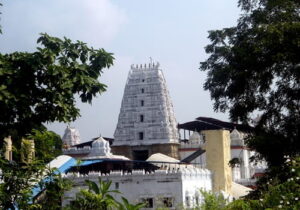
Ballia’s most significant pilgrimage site, Bhrigu Ashram is dedicated to Maharishi Bhrigu and includes both a temple and the broader ashram complex. Situated near where the River Ganga formerly flowed behind the ashram, the site holds deep mythological significance — local tradition holds that Bhrigu Muni himself resided here, and the ashram is the foundational spiritual anchor for the annual Dadri Mela. Each auspicious occasion in Ballia traditionally commences after taking blessings from Bhrigu at this temple. The Kameshwar Dham temple, believed to be the site where Lord Shiva burned Kamadeva with his third eye — connected to both the Shiva Purana and the Valmiki Ramayana — is also a significant religious site drawing devoted visitors.
Surha Tal Bird Sanctuary
Located approximately 17 km from Ballia city, Surha Tal is a natural freshwater lake and protected bird sanctuary drawing migratory bird species from Siberia and other colder regions every winter. Early morning visits (ideally departing Ballia by 5:30 AM) offer the best opportunity for witnessing the widest variety of species. The lake’s tranquil atmosphere, beautiful sunrises, and fresh natural surroundings make it Ballia’s primary nature-based attraction, particularly rewarding during the peak winter migratory season from November through February.
Baleshwar Temple
Another prominent temple in Ballia city, Baleshwar Temple draws devotees year-round and is known for the big bells (ghantas) that form part of its architectural and devotional character — a visual landmark alongside the city’s older Bhrigu Temple complex.
Sikandarpur Ghat
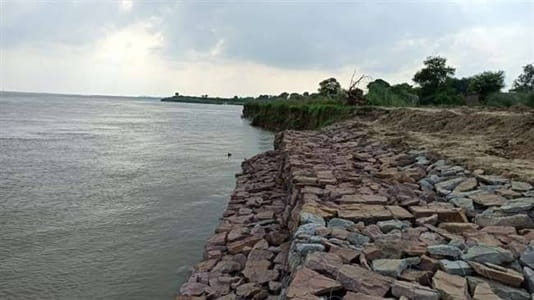
Situated in a peaceful location beside the Ghaghara River, Sikandarpur Ghat offers breathtaking views of the wide river flowing beneath open sky — one of the district’s most serene and naturally scenic spots. Morning and evening are ideal visiting times for the gentle light and cooler atmosphere.
Chitbaragaon Birding Zone
An emerging destination for birdwatchers, the Chitbaragaon area provides bird watching opportunities within a quieter, less-formally-structured natural setting than the designated Surha Tal sanctuary.
Sonadih Ka Mela
An annual fair held each April for approximately 15 days at Sonadih, this secondary festival provides a smaller-scale cultural gathering complementing the larger Dadri Mela earlier in the season.
Temples of Ballia District
| Temple | Location | Deity | Key Feature |
| Bhrigu Temple (Bhrigu Ashram) | Dadri area, Ballia | Maharishi Bhrigu | Origin point of Asia’s 2nd largest cattle fair |
| Baleshwar Temple | Ballia city | Lord Shiva | Year-round devotee footfall; large bells |
| Kameshwar Dham | Ballia district | Lord Shiva | Site where Shiva burned Kamadeva; Shiva Purana and Ramayana connection |
| Nag Kund Temple | Ballia area | Snake deity | Local significant pilgrimage site |
Weather in Ballia District
October to February — Best Time: Cool, comfortable winter months ideal for the Dadri Mela, Surha Tal bird watching, and general sightseeing across this Gangetic plains district.
Summer: Extremely hot and dry conditions — Ballia is vulnerable to severe heat waves, with a devastating 2023 event killing 54 people. Summer travel is strongly discouraged.
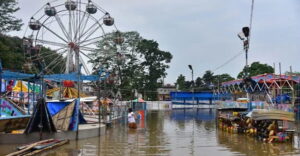
Monsoon (June-September): Significant rainfall with the Ganga and Ghaghara rivers at their fullest; flooding can affect low-lying areas of the district.
Things to Do in Ballia District (2026)
Dadri Mela Experience (Kartik Purnima) — Time a visit for this month-long Asia-ranked fair combining cattle trading, cultural performances, and the authentic rural Bhojpuri atmosphere unique to eastern UP.
Pre-Dawn Bird Watch at Surha Tal — Depart Ballia by 5:30 AM for the best Siberian and international migratory bird encounters at this natural freshwater lake sanctuary.
Bhrigu Ashram Pilgrimage — Visit the district’s most sacred temple complex to seek blessings before exploring the adjacent Dadri fair grounds.
Sikandarpur Ghat Riverside Walk — Enjoy a peaceful early morning or evening at the Ghaghara River’s scenic ghat for river views and quiet contemplation.
Independence History Trail — Explore sites connected to Ballia’s “Baghi Ballia” 1942 independence declaration and the birthplace-related heritage of former PM Chandra Shekhar.
Sample Litti Chokha — Taste Ballia’s most famous dish, Litti Chokha, served at numerous local stalls and restaurants throughout the district.
How to Reach Ballia District
By Air: Lal Bahadur Shastri Airport (Varanasi) and Patna Airport are the nearest air connections. The Rupsi Airport near Guwahati serves a different region, with Patna being the practical nearest for Ballia.
By Train: Ballia Railway Station is connected to major UP and Bihar cities via express trains including the Chauri Chaura Express and Sarnath Express, with connections to Varanasi, Gorakhpur, and Patna.
By Road: Ballia is well connected by road from Varanasi (approximately 130 km), Patna, and Gorakhpur, with regular state transport and private bus services.
Conclusion
Ballia district carries a uniquely defiant historical identity — the only Indian district to briefly declare independence in 1942, the birthplace of a Prime Minister, and the host of Asia’s second-largest cattle fair on the Ganga’s easternmost banks. For travellers seeking authentic Bhojpuri cultural immersion, Gangetic plains history, and the spectacle of a month-long fair that has continued uninterrupted for centuries, Ballia’s “rebellious” spirit and quiet Surha Tal bird sanctuary offer a genuine, unhurried eastern UP experience.
FAQs About Ballia District, Uttar Pradesh
Q1. What is Ballia district famous for?
A: Ballia is famous for the Dadri Mela (Asia’s second-largest cattle fair held annually during Kartik Purnima), the Bhrigu Ashram, Surha Tal Bird Sanctuary, and its historical distinction as “Baghi Ballia” — the only Indian district to briefly declare independence from British rule in 1942. It is also the birthplace of former Prime Minister Chandra Shekhar.
Q2. Why is Ballia called “Baghi Ballia”?
A: Ballia earned the nickname “Baghi Ballia” (Rebellious Ballia) because during the Quit India Movement on 19 August 1942, local leaders led by Chittu Pandey briefly declared Ballia independent from British rule, establishing a temporary parallel government — making it the only district in India to achieve this distinction during the independence struggle.
Q3. What is the Dadri Mela and why is it significant?
A: The Dadri Mela is an annual cattle fair held approximately 3-5 km from Ballia town, beginning on Kartik Purnima (October-November) and lasting around one month. It is Asia’s second-largest cattle fair, drawing traders from across India and internationally for livestock trade, and is held in honour of Dadar Muni, a disciple of Maharishi Bhrigu. Beyond cattle trading, the fair serves as a major cultural gathering with folk performances and crafts.
Q4. What is the connection between Ballia and Maharishi Bhrigu?
A: Maharishi Bhrigu, one of the seven great sages (Saptarishis) of Hindu tradition and the sage who, according to ancient texts, struck Lord Vishnu on his chest, is believed to have resided in Ballia. The Bhrigu Ashram and associated temple in the district represent the foundational pilgrimage site from which the Dadri Mela draws its religious significance.
Q5. When is the best time to visit Ballia district?
A: October to February is the best period, combining the Dadri Mela experience (October-November), excellent migratory bird watching at Surha Tal (November-February), and comfortable winter weather for general sightseeing. Summer is strongly discouraged due to extreme heat — a 2023 heat wave was fatal to dozens of residents.