Guntur District, Andhra Pradesh: Top Attractions, History, Temples, Weather & Things to Do
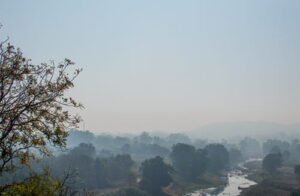
Guntur district sits in the fertile coastal plains of Andhra Pradesh, a region ancient Sanskrit texts referred to as “Garthapuri” — a place cradled by water ponds, reflecting its long agricultural fertility. Guntur’s history is woven through the rise and fall of major South Indian dynasties — the powerful Satavahanas, the artistic Kakatiyas, and the valiant Reddy kings — each leaving distinctive monuments still standing today. Modern Guntur is globally recognised for its chilli, cotton, and tobacco exports, with the Guntur Sannam chilli variety even carrying its own Geographical Indication tag for its distinctive pungency and deep red colour.
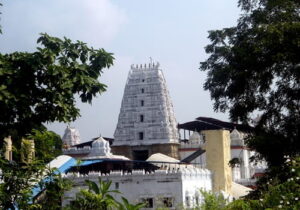
The district’s spiritual landscape centres on Mangalagiri — the “Auspicious Hill” — home to the unique Panakala Narasimha Swamy Temple, where the deity famously consumes only half of the jaggery water offered in devotion, leaving the rest as undisturbed prasada. Beyond Mangalagiri, Guntur encompasses Amaravati’s ancient Buddhist stupa and Amareswara Swamy Temple, the 14th-century Kondaveedu Fort built by Reddy kings, the Undavalli rock-cut caves, and the Pancharama Shiva shrine at Amaravati on the banks of the Krishna River.
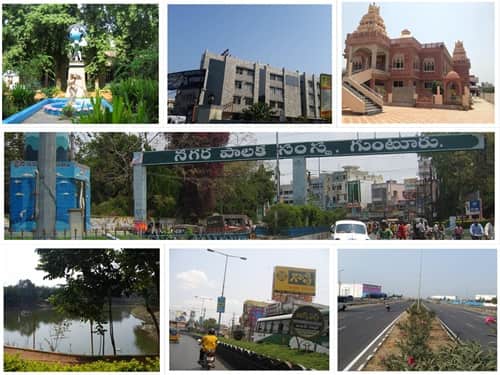
Guntur District, Andhra Pradesh — Quick Overview
| Feature | Details |
| State | Andhra Pradesh |
| District Headquarters | Guntur city |
| Ancient Name | Garthapuri (Sanskrit texts) |
| Famous For | Mangalagiri (Panakala Narasimha Swamy Temple), Amaravati Stupa, Kondaveedu Fort, Undavalli Caves |
| Major Exports | Chilli (Guntur Sannam — GI-tagged), cotton, tobacco |
| Dynasties | Satavahanas, Kakatiyas, Reddy Kings |
| Key River | Krishna |
| Notable Industrial Hub | Sattenapalle (cotton and spinning mills) |
| Nearest Airport | Vijayawada (Gannavaram) Airport |
| Best Time to Visit | October to March |
| Peak Season Temperature | 16°C – 25°C |
| Summer Temperature | April-June, scorching and humid |
History of Guntur District
1. Ancient Garthapuri and Dynastic Succession
Guntur’s name in ancient Sanskrit texts was “Garthapuri” — a place cradled by water ponds — hinting at its agriculturally fertile beginnings. Across the centuries, the city’s soul has been intertwined with the rise and fall of major South Indian empires: the powerful Satavahanas, the artistic Kakatiya dynasty, and the valiant Reddy Kings, each contributing distinct architectural and cultural legacies that remain visible across the district today.
2. The Reddy Kings and Kondaveedu Fort
In the 14th century, the Reddy kings built Kondaveedu, one of the strongest forts in South India, comprising 21 grandiose structures. The recent discovery of a Buddhist stupa within the fort complex has rendered this site an important archaeological location, adding a Buddhist heritage layer to what was primarily a Hindu dynastic military stronghold.
3. Buddhist Heritage at Amaravati and Bhattiprolu
Guntur district carries deep Buddhist roots, most visibly at the Amaravati Stupa — popularly known as the Mahachaitya or “Great Stupa of Amaravati” — built in phases beginning in the 2nd century BCE and now among the largest and most visited Buddhist stupas in India, currently under Archaeological Survey of India protection. The village of Bhattiprolu, also within Guntur district, is similarly known for its centrally protected Buddhist stupa of national importance — together these sites confirm Guntur’s historical significance as a major centre of Buddhist learning and art in ancient India.
Top Attractions in Guntur District
1. Mangalagiri — Panakala Narasimha Swamy Temple
One of the eight important Mahakshetrams (sacred places) in India, Mangalagiri lies on the Vijayawada-Madras trunk road about 10 km from Vijayawada, on the border between Guntur and Krishna districts. The name “Mangalagiri” translates to “Auspicious Hill” — local tradition holds that Goddess Lakshmi Devi performed tapas (penance) on this very hill, earning it the designation.
The hilltop Panakala Narasimha Swamy Temple is genuinely unique: the presiding deity, an incarnation of Lord Vishnu, is believed to be swayambhu (self-manifested), with only a widely-opened mouth visible — covered by a metal face — rather than a full statue. Devotees offer Panakam, a jaggery water concoction, by pouring it directly into the deity’s mouth; remarkably, only half of the offered water is consumed, with the remainder discarded, and not a single drop is ever found pooling around the site — a phenomenon that has given the deity his popular name, Panakala Narasimha Swamy. There are actually three Narasimha Swamy temples in Mangalagiri: the Panakala Narasimha Swamy temple atop the hill, the Lakshmi Narasimha Swamy temple at the foot of the hill, and the Gandala Narasimha Swamy temple at the hill’s summit. The town is also celebrated for its fine-quality handloom Mangalagiri sarees, adorned with distinctive zari patterns.
2. Amaravati Stupa and Amareswara Swamy Temple
Located in Amaravati, approximately 16 miles from Guntur, this site holds dual religious significance. The Amaravati Stupa (Mahachaitya), built in phases from the 2nd century BCE, is among the largest and most historically significant Buddhist stupas in India, currently protected by the Archaeological Survey of India. Adjacent to it stands the Amareswara Swamy Temple, dedicated to Lord Shiva, who is worshipped here in the form of a Swayambhu Linga — a self-manifested lingam that gives the temple its profound religious importance among Hindu pilgrims, while the nearby stupa continues to draw history enthusiasts and Buddhist heritage tourists.
3. Kondaveedu Fort
Built by the Reddy kings in the 14th century, Kondaveedu was one of the strongest forts in South India, comprising 21 grandiose structures across its complex. The recent discovery of a Buddhist stupa within the fort grounds has added significant archaeological importance to the site, making it a destination for both military history enthusiasts and those interested in Buddhist heritage layered beneath later Hindu fortification.
4. Undavalli Caves
Located near Mangalagiri, the Undavalli Caves are among the finest examples of Indian rock-cut architecture, drawing visitors interested in ancient sculptural and architectural craftsmanship carved directly into the rock face along the Krishna River corridor.
5. Kotappakonda (Trikutaparvattam)
A holy temple of Lord Shiva built on a hillock with three distinct peaks collectively known as “Trikuta Hills” — Brahma Shikharam, Vishnu Shikharam, and Rudra Shikharam. Here, Lord Shiva is worshipped as “Trikuteswara Swamy,” and the site is considered an excellent location for meditation. A major festival draws large numbers of pilgrims on Maha Shivaratri, though visitor numbers remain modest on other days. Limited lodging is available at the temple itself, with Guntur city (approximately 65 km away) recommended as a base for more comfortable accommodation.
6. Nagarjuna Sagar Dam and Ethipothala Falls
One of the largest and oldest multi-purpose irrigation projects in India, Nagarjuna Sagar Dam provides irrigation water to almost seven districts, while the nearby Ethipothala Falls adds scenic natural beauty to this major engineering landmark.
7. Uppalapadu Nature Conservation
Located towards the southern end of Guntur, Uppalapadu Nature Conservation is home to thousands of native and migratory birds, including Painted Storks and Spot-billed Pelicans, surrounded by lush greenery and sprawling lakes — one of the top birdwatching destinations in the district.
8. Suryalanka Beach
Located approximately two hours from Guntur town, Suryalanka Beach offers a refreshing coastal break amid the foamy waters of the Bay of Bengal, popular among visitors seeking a beach getaway from inland Guntur.
9. Prakasam Barrage (Krishna Barrage)
Connecting Andhra Pradesh’s Krishna district with Guntur district approximately 18 miles from the city, Prakasam Barrage offers breathtaking views of the Krishna River and represents an important hydraulic engineering landmark shared between the two neighbouring districts.
Temples of Guntur District
| Temple | Location | Deity | Key Feature |
| Panakala Narasimha Swamy Temple | Mangalagiri | Lord Narasimha (Vishnu) | Swayambhu deity; unique half-consumed Panakam offering |
| Amareswara Swamy Temple | Amaravati | Lord Shiva (Swayambhu Linga) | Pancharama temple; adjacent to ancient Buddhist Stupa |
| Kotappakonda (Trikuteswara Swamy) | Trikuta Hills | Lord Shiva | Three-peak hill temple; major Mahashivratri festival |
| Lakshmi Narasimha Swamy Temple | Macherla | Lord Narasimha | Worshipped since Satya Yuga tradition |
| Bhavanarayana Swamy Temple | Ponnur, ~29 km from Guntur | Lord Vishnu (Bhavanarayana) | One of five Bhavanarayana temples; “Sakshi Bhavanarayana” legend |
| ISKCON Temple | Guntur city | Lord Krishna | Well-maintained Hare Krishna shrine |
| Calvary Temple, Nambur | Nambur, Guntur district | Christian | One of the largest churches in Andhra Pradesh |
Weather in Guntur District
October to March — Best Time: Pleasant temperatures ranging 16°C-25°C make this the ideal window for temple visits, fort exploration, and coastal excursions to Suryalanka Beach.
April to June — Summer: Scorching and humid conditions typical of coastal Andhra Pradesh, making outdoor sightseeing considerably less comfortable.
July to September — Monsoon: Moderate rainfall, ideal for travellers seeking to avoid the larger crowds that gather at popular Guntur attractions during peak winter season.
Things to Do in Guntur District (2026)
Mangalagiri Temple Visit and Panakam Offering — Climb the hill steps to witness the unique jaggery-water offering ritual at Panakala Narasimha Swamy Temple, and shop for authentic Mangalagiri handloom sarees in the town below.
Amaravati Heritage Circuit — Combine the ancient Buddhist Mahachaitya stupa with darshan at the adjacent Amareswara Swamy Temple’s Swayambhu Linga for a complete Buddhist-Hindu heritage experience.
Explore Kondaveedu Fort’s 21 Structures — A history-focused half-day examining the 14th-century Reddy-era fortification and its recently discovered Buddhist stupa.
Birdwatching at Uppalapadu Nature Conservation — Spot thousands of native and migratory birds including Painted Storks and Spot-billed Pelicans amid the conservation area’s lakes and greenery.
Meditate at Kotappakonda’s Trikuta Hills — A quiet, less-crowded pilgrimage to the three-peaked Shiva shrine, particularly meaningful outside the Maha Shivaratri festival rush.
Coastal Day Trip to Suryalanka Beach — A two-hour drive for a refreshing Bay of Bengal escape from Guntur’s inland heat.
How to Reach Guntur District
By Air: Vijayawada (Gannavaram) Airport is the nearest major airport serving the district.
By Road: Guntur is well connected via state and national highways to Vijayawada, Amaravati, and other major Andhra Pradesh cities, with regular and economical local bus services making intra-district travel convenient.
By Train: Guntur Railway Station offers regular connectivity to major South Indian cities and the broader national rail network.
Conclusion
Guntur district combines coastal Andhra Pradesh’s agricultural prosperity — chillies, cotton, and tobacco that have made it globally recognised — with a profound religious and historical depth spanning Satavahana, Kakatiya, and Reddy dynastic rule. From Mangalagiri’s uniquely self-manifested deity and its famous half-consumed jaggery offering to Amaravati’s ancient Buddhist stupa standing beside a Swayambhu Shiva Linga, and from Kondaveedu’s 14th-century fortification to Uppalapadu’s thriving bird conservation area, Guntur rewards travellers with a genuinely complete cross-section of Andhra Pradesh’s spiritual, historical, and natural heritage.
FAQs About Guntur District, Andhra Pradesh
Q1. What is Guntur district famous for?
A: Guntur is famous for its chilli, cotton, and tobacco exports (including the GI-tagged Guntur Sannam chilli), the unique Panakala Narasimha Swamy Temple at Mangalagiri, the ancient Amaravati Buddhist Stupa, the 14th-century Kondaveedu Fort, and the Undavalli rock-cut caves.
Q2. What makes the Panakala Narasimha Swamy Temple at Mangalagiri unique?
A: The presiding deity at this temple is believed to be swayambhu (self-manifested), represented only by a widely-opened mouth covered with a metal face rather than a full idol. Devotees offer Panakam (jaggery water) by pouring it into the deity’s mouth — remarkably, only half the offered water is consumed, with the remainder discarded, yet no pooled water is ever found around the site.
Q3. What is the historical significance of Kondaveedu Fort?
A: Built by the Reddy kings in the 14th century, Kondaveedu was one of the strongest forts in South India, comprising 21 grandiose structures. The recent discovery of a Buddhist stupa within the fort complex has rendered the site an important archaeological location, adding significant historical layers to the fortification.
Q4. What is the connection between Amaravati’s Buddhist Stupa and Hindu temple?
A: Amaravati hosts both the ancient Amaravati Stupa (Mahachaitya), one of India’s largest Buddhist stupas dating from the 2nd century BCE, and the adjacent Amareswara Swamy Temple, dedicated to Lord Shiva in the form of a Swayambhu Linga — together representing the layered Buddhist and Hindu religious history of this significant site on the Krishna River.
Q5. When is the best time to visit Guntur district?
A: October to March offers the most pleasant weather, with temperatures ranging from 16°C to 25°C, ideal for temple visits, fort exploration, and beach trips to Suryalanka. Summer months (April-June) bring scorching, humid conditions that make outdoor sightseeing considerably less comfortable.