Jashpur District, Chhattisgarh: Top Attractions, History, Temples, Weather & Things to Do
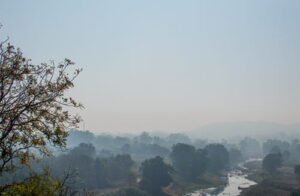
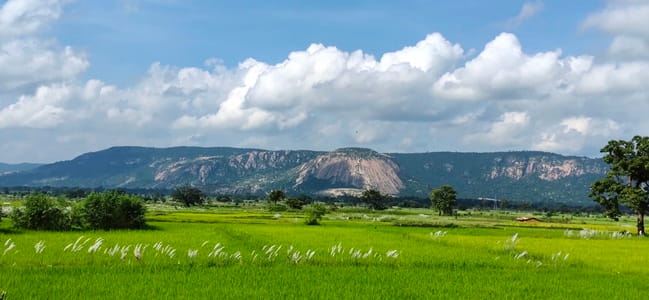
Jashpur district occupies the northeastern corner of Chhattisgarh, sharing its borders with Jharkhand and Odisha at an average elevation of approximately 623 metres, making it one of the cooler, more forested districts in the state. Historically a princely state before independence, Jashpur was ruled by Rajputs of the Chauhan dynasty, with the earliest known dynasty to govern the region — the Dom dynasty — tracing back to the mid-18th century, though much of the area’s deeper history remains comparatively undocumented.
What Jashpur lacks in dynastic record-keeping, it more than compensates for with extraordinary natural abundance: this is genuinely a district of waterfalls, with Rajpuri, Danpuri, Rani Dah, Gullu, Belwar, Chirchiri, and the towering Makarbhanja — at over 400 feet, the highest waterfall in all of Chhattisgarh — scattered across its dense forested terrain. Combined with sacred caves, hilltop temples, a Sanskrit Mahavidyalaya that ranks as only the second of its kind in the entire country, and tribal heritage woven through the Bagicha, Kunkuri, Duldula, Manora, and Farsabahar development blocks, Jashpur rewards the traveller drawn to genuinely untouched eastern Chhattisgarh wilderness.
Jashpur District, Chhattisgarh — Quick Overview
| Feature | Details |
| State | Chhattisgarh |
| District Headquarters | Jashpur Nagar |
| Elevation | ~623 metres average |
| Borders | Jharkhand, Odisha |
| Development Blocks | Jashpur Nagar, Kunkuri, Bagicha, Duldula, Manora, Farsabahar |
| Famous For | Rajpuri, Danpuri, Rani Dah & Makarbhanja Waterfalls, Kailash Gupha, Badalkhol Wildlife Sanctuary |
| Historic Rulers | Dom dynasty (mid-18th century); Rajput Chauhan dynasty (princely state era) |
| Nearest Airport | Birsa Munda Airport, Ranchi (~150 km); Raipur Airport (~480 km) |
| Nearest Railway Station | Raigarh Railway Station (~199 km) |
| Best Time to Visit | Monsoon (June-September) for waterfalls; October-February for general sightseeing |
History of Jashpur District
1. Princely State Origins and the Dom Dynasty
Jashpur’s history, by its own administrative acknowledgment, is “quite vague” in its earliest chapters. The earliest known dynasty to rule over the region was the Dom dynasty, which governed during the middle of the 18th century. Subsequently, Jashpur became a princely state ruled by Rajputs of the Chauhan dynasty prior to India’s independence, integrating the territory into the broader feudal landscape of the eastern Chhattisgarh-Jharkhand-Odisha tribal belt.
2. The Samarbar Sanskrit Mahavidyalaya
One of Jashpur’s most distinctive historical institutions is the Samarbar Sanskrit Mahavidyalaya, located in forest area near Kailash Gupha, approximately 120 km from district headquarters and only about 60 km from Ambikapur. This institution holds the remarkable distinction of being the second Sanskrit Mahavidyalaya established in the entire country, reflecting a significant educational and scholarly tradition that took root in this otherwise remote forested corner of the state.
3. Damera — Wartime History and Annual Fairs
Located south of Jashpur Nagar, approximately 12 km from Badhyee Khana village, Damera holds particular historical significance connected to the period when the Second World War began in 1939, according to local oral tradition. The site hosts a significant annual Mela (fair) specifically during Ram Navami and Kartik Purnima, drawing large crowds and preserving local cultural memory of this wartime-era history.
Top Attractions in Jashpur District
1. Makarbhanja Waterfall
The highest waterfall in all of Chhattisgarh, Makarbhanja plunges from over 400 feet, surrounded by lush greenery in a setting that delivers genuinely breathtaking views. This towering cascade represents the single most dramatic natural spectacle in the district, offering a serene retreat for nature lovers and adventurers alike who make the journey to witness it.
2. Rajpuri Waterfall
Located near Bagicha, approximately 60-90 km from district headquarters, Rajpuri Waterfall is built into the mountain through cutting rocks, with fountains and plantations expanding its natural beauty and attraction. Surrounded by tribal villages that add cultural distinctiveness to the natural setting, Rajpuri remains one of the most revisited and popular spots among tourists in Jashpur, offering a sweet-water cascade that visitors return to enjoy its architecture and scenery throughout the year.
3. Rani Dah Waterfall
Situated approximately 12-15 km from Jashpur Nagar near the village of Rani Dah, close to Echkela, this waterfall sits in the middle of forest and hills, surrounded by tribal villages that lend it a distinctive charm. One of the most frequented picnic spots in the district, Rani Dah Waterfall reflects Jashpur’s rich eco-tourism potential, with the Chhattisgarh Forest Department arranging guided tours to this and other beautiful sites on request. The best time to visit is during monsoon season (June to September) when the waterfall’s beauty peaks, though visitors should exercise caution on slippery rocks.
4. Danpuri Waterfall
A serene spot ideal for nature lovers, situated in the middle of the forest, Danpuri Waterfall offers stunning cascades and a tranquil environment, best visited during monsoon and post-monsoon seasons from June through October — a popular destination for trekking and nature photography.
5. Gullu Waterfall
Hidden within lush forests, Gullu Waterfall is a captivating natural wonder featuring a pristine cascade, peaceful surroundings, and scenic charm that make it a favourite destination for trekking, picnics, and photography. The hike from Gullu Mandir typically takes 1-2 hours each way along a winding single track navigating roots and rocks along the hillside, with cafes available midway and at the waterfall itself. Multiple pools allow visitors to cool off before the return hike.
6. Belwar Waterfall
Hidden amid Jashpur’s forests, reaching Belwar Waterfall requires a thrilling 3 km trek that involves crossing the river seven times in a zigzag manner — a genuine adventure that blends excitement with the natural beauty of the destination, rewarding determined trekkers with a serene cascade at journey’s end.
7. Kailash Gupha (Cave)
A sacred natural cave formed in the mountains, Kailash Gupha holds religious significance and attracts pilgrims and adventure lovers alike who enjoy exploring its spiritual and natural aspects, with occasional bat encounters adding to the adventure for those willing to venture inside.
8. Bel Mahadev
A natural religious cave located approximately 2 km from Jashpur Nagar in a hilly region, Bel Mahadev draws thousands of devotees specifically during Mahashivratri, making it the district’s most significant Shaivite pilgrimage gathering point within easy reach of the headquarters town.
9. Badalkhol Wildlife Sanctuary
Spanning approximately 104 square kilometres, Badalkhol Wildlife Sanctuary is a haven for nature enthusiasts and wildlife lovers, and is also a birdwatcher’s dream with species of all colours. Wild elephants are known to roam through this protected forest area, which also feeds the Churi Waterfall via the Eb River flowing through the sanctuary.
10. Sograh Aghor Asram
Located approximately 18 km from Jashpur Nagar, Sograh Aghor Asram houses the temple of Avdhot Bhagvan Shri Ram, drawing devotees and spiritual seekers to this quiet ashram setting within the district.
11. Deshdekha Hill Camp
An adventure haven offering rock climbing, trekking, camping, and stargazing amid serene landscapes, Deshdekha promotes eco-tourism and connects visitors directly with nature’s beauty — a destination tailored specifically for travellers seeking outdoor adventure activities within Jashpur’s hilly terrain.
12. Pandrapat
A serene hill station known for its cool climate, lush landscapes, and tranquil vibe, Pandrapat offers a perfect retreat for nature enthusiasts and adventure seekers, providing stunning vistas and peaceful surroundings distinct from the district’s waterfall-focused attractions.
13. Likha Pathhar (Written Rock)
A historical and archaeological site featuring unique rock formations with ancient carvings and inscriptions, Likha Pathhar — literally “Written Rock” — draws visitors interested in exploring the mysteries of the region’s past amid picturesque surroundings.
14. Deurkona
A historical site featuring the remains of a structure believed to be either a temple or a food grain storage room, dating back to the 13th-15th century, Deurkona showcases intriguing glimpses of ancient architecture and heritage within the district’s relatively under-documented historical landscape.
Temples of Jashpur District
| Temple | Location | Deity | Key Feature |
| Bel Mahadev | ~2 km from Jashpur Nagar | Lord Shiva | Natural religious cave; major Mahashivratri pilgrimage |
| Madheshwar Mahadev Pahad | Jashpur district | Lord Shiva | Hilltop shrine; breathtaking views; meditation spot |
| Maa Khudiya Rani Temple | Bagicha block | Goddess Khudiya Rani | Foot of hills, riverbank setting; renowned pilgrimage site |
| Sharda Dhaam | Jashpur district | Goddess Saraswati | Significant spiritual destination |
| Sograh Aghor Asram | ~18 km from Jashpur Nagar | Avdhot Bhagvan Shri Ram | Quiet ashram and pilgrimage centre |
| Mahagirja Ghar (Cathedral) | Kunkuri | Christian | Notable cathedral landmark in district tourism listings |
Weather in Jashpur District
June to September (Monsoon) — Best for Waterfalls: Most of Jashpur’s waterfalls — Danpuri, Rani Dah, Belwar — are explicitly recommended for monsoon and post-monsoon visits, when water flow peaks and the surrounding forest is at its lushest, though slippery rocks require caution.
October to February — Best for General Sightseeing: Cooler, more comfortable temperatures suit exploring Kailash Gupha, the wildlife sanctuary, and hill station destinations like Pandrapat without monsoon-related access difficulties.
Winter (Specific Note): Some attractions, like certain bathing spots, are specifically recommended “only in winters” for the most pleasant experience.
Things to Do in Jashpur District (2026)
Trek to Makarbhanja Waterfall — Witness Chhattisgarh’s highest waterfall at over 400 feet, surrounded by dense forest greenery.
Monsoon Waterfall Circuit — Combine Rajpuri, Rani Dah, and Danpuri waterfalls into a focused monsoon-season trip for the district’s most dramatic natural displays.
Explore Kailash Gupha and the Samarbar Sanskrit Mahavidyalaya — Combine the sacred cave’s spiritual atmosphere with a visit to India’s second Sanskrit Mahavidyalaya nearby.
Adventure Trek at Deshdekha Hill Camp — Try rock climbing, camping, and stargazing in this dedicated eco-tourism adventure destination.
Mahashivratri Pilgrimage at Bel Mahadev — Time a visit for this major annual festival at the natural Shiva cave shrine near Jashpur Nagar.
Wildlife Spotting at Badalkhol Sanctuary — Look for wild elephants and diverse birdlife across this 104 sq km protected forest area.
How to Reach Jashpur District
By Air: Birsa Munda Airport, Ranchi (Jharkhand), is the nearest at approximately 150 km from Jashpur Nagar; Raipur Airport within Chhattisgarh is considerably farther at approximately 480 km.
By Train: Raigarh Railway Station, approximately 199 km away, is the nearest rail connection within Chhattisgarh.
By Road: Jashpur Nagar is well connected by regular Chhattisgarh State Road Transport Corporation (CSRTC) bus services to major cities within the state.
Conclusion
Jashpur district delivers eastern Chhattisgarh’s most concentrated collection of waterfalls — from the towering 400-foot Makarbhanja to the adventure-trek-worthy Belwar with its seven river crossings — alongside sacred caves, a historically significant Sanskrit Mahavidyalaya, and tribal heritage that runs deep through its forested hills. For travellers seeking genuine off-the-beaten-path wilderness combined with quiet spiritual and educational history, Jashpur rewards a focused multi-day monsoon or winter visit.
FAQs About Jashpur District, Chhattisgarh
Q1. What is Jashpur district famous for?
A: Jashpur is famous for its abundance of waterfalls — including Rajpuri, Danpuri, Rani Dah, Gullu, Belwar, and Makarbhanja (Chhattisgarh’s highest waterfall at over 400 feet) — alongside Kailash Gupha cave, Badalkhol Wildlife Sanctuary, and the historically significant Samarbar Sanskrit Mahavidyalaya, the second such institution in India.
Q2. Which is the highest waterfall in Chhattisgarh, and is it in Jashpur?
A: Makarbhanja Waterfall, located in Jashpur district, is the highest waterfall in Chhattisgarh at over 400 feet, surrounded by lush greenery and offering a breathtaking natural spectacle for visitors.
Q3. What is the historical significance of the Samarbar Sanskrit Mahavidyalaya?
A: The Samarbar Sanskrit Mahavidyalaya, located near Kailash Gupha in Jashpur district, holds the distinction of being the second Sanskrit Mahavidyalaya established in all of India, reflecting a significant scholarly tradition that developed in this remote forested region.
Q4. Who ruled Jashpur historically?
A: Jashpur was historically a princely state ruled by Rajputs of the Chauhan dynasty before India’s independence. The earliest known dynasty to govern the region was the Dom dynasty, which ruled during the middle of the 18th century, though much of the district’s earlier history remains comparatively undocumented.
Q5. When is the best time to visit Jashpur’s waterfalls?
A: June to September (monsoon season) is widely recommended as the best time to visit most of Jashpur’s waterfalls, including Danpuri, Rani Dah, and Belwar, when water flow is at its peak and surrounding forests are lushest. October to February offers more comfortable temperatures for general sightseeing and exploring caves and wildlife sanctuaries.