Dang District, Gujarat: Top Attractions, History, Temples, Weather & Things to Do
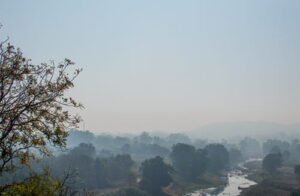
The Dang district, tucked into Gujarat’s southeastern corner along the Western Ghats and bordering Maharashtra, is home to Saputara — Gujarat’s only hill station, perched at approximately 875-1,000 metres above sea level in the Sahyadri range. Saputara’s name literally means “Abode of Serpents,” reflecting the deep tribal tradition of snake worship practised by the Dangi communities, particularly during Holi, when a snake image on the banks of the Sarpaganga River receives ritual veneration. Beyond Saputara, the broader Dang district carries genuine mythological weight — local belief holds that Lord Rama spent a significant portion of his 14-year exile in this very region, with Shabari Dham marking the legendary site where Rama met the devoted tribal woman Shabari, one of the most touching episodes in the Ramayana.
Predominantly inhabited by indigenous Dangi tribes whose culture, Warli art, bamboo crafts, and native dances define the region’s identity, Dang district offers travellers a rare combination: a cool-climate Western Ghats escape, genuine tribal heritage, cascading waterfalls, dense forest sanctuaries, and a quiet historical layer including the Maratha-era Hatgad Fort built as a watchtower by Chhatrapati Shivaji.
Dang District, Gujarat — Quick Overview
| Feature | Details |
| State | Gujarat |
| District Headquarters | Ahwa |
| Famous For | Saputara Hill Station (Gujarat’s only hill station), Gira Falls, Vansda National Park, Shabari Dham |
| Key River | Sarpaganga (Saputara); Purna |
| Elevation (Saputara) | ~875-1,000 metres above sea level |
| Mountain Range | Sahyadri (Western Ghats) |
| Distance from Nashik | ~64-80 km |
| Distance from Surat | ~172 km |
| Distance from Mumbai | ~190-280 km |
| Nearest Airport | Ozar Airport, Nashik; Surat Airport |
| Nearest Railway Station | Bilimora (~50-112 km) |
| Best Time to Visit | October to February (pleasant); June-September (monsoon greenery) |
| Summer Temperature | 27°C – 32°C |
| Winter Temperature | 10°C – 16°C |
History of Dang District
1. Mythological Roots — Lord Rama’s Exile
Dang district carries profound mythological significance, with local tradition holding that Lord Rama spent a substantial portion of his 14-year exile in this region. Shabari Dham, near Saputara, marks the believed location where Rama met Shabari — the elderly tribal devotee whose unwavering faith and the legendary “tasted berries” offering became one of the Ramayana’s most cherished stories of devotion transcending social boundaries. This deep spiritual connection adds a layer of pilgrimage significance to what is otherwise primarily known as a nature and tribal heritage destination.
2. Tribal Heritage — The Dangi Communities
Very little formal historical documentation exists about Saputara and the broader Dang region prior to its development as a planned hill resort, but the area has been continuously inhabited by indigenous tribal communities — the Bhils, Kunbis, Warlis, and Gamits among them — for generations. These communities developed distinctive artistic traditions, including Warli painting, bamboo carving, and the production of Dangi sarees, alongside their religious practice of snake worship that gives Saputara its very name.
3. Maratha-Era Fortification
The ancient Hatgad Fort, built as a watchtower by Maratha King Chhatrapati Shivaji, stands as physical evidence of the region’s strategic military significance during the Maratha Empire’s expansion, providing a historical counterpoint to Dang’s predominantly tribal and mythological narrative.
4. Planned Hill Resort Development
In the modern era, Saputara has been developed as a planned hill resort complete with hotels, parks, swimming pools, a boat club, theatres, ropeways, and a dedicated museum — transforming what was once a remote tribal plateau into Gujarat’s premier and only hill station destination, while still managing to retain much of its natural and cultural charm.
Top Attractions in Dang District
1. Saputara Hill Station
Gujarat’s only hill station, Saputara sits on the second-highest plateau in the Sahyadri region of the Western Ghats, on the banks of the Sarpaganga River, approximately 4 km from the Maharashtra border. The town combines flourishing hills, gardens, parks, waterfalls, and lakes with a genuinely tribal cultural backdrop, drawing visitors year-round despite its relatively undiscovered status compared to more famous Indian hill stations.
2. Sunset Point (Gandhi Shikhar)
Located approximately 1.7 km from Saputara town and accessible via a 10-minute ropeway ride, Sunset Point — also known as Gandhi Shikhar — offers stunning views of the Dang forest, surrounding tribal villages, and spectacular sunsets. The viewpoint can be visited year-round, though March to November is considered the best window.
3. Saputara Lake and Gardens
The centrepiece of the hill station, Saputara Lake offers boating facilities amid lush greenery, with three prominent surrounding gardens — Rose Garden (featuring a wide variety of roses), Step Garden (notable for its tiered flower arrangements), and Lake Garden (offering diverse, multi-hued floral displays directly on the lake’s bank).
4. Gira Falls and Girmal Falls
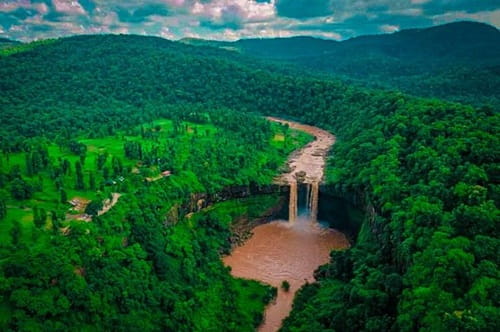
Two of Dang district’s most celebrated waterfalls, often confused with one another despite being located far apart. Gira Falls, near Waghai on the Waghai-Saputara state highway, is a picturesque 75-foot seasonal waterfall and one of Gujarat’s most popular cascades, particularly active during and just after the monsoon. Girmal Falls, located in Girmal village near Ahwa, approximately 85 km from Saputara, comes alive during monsoon season and is surrounded by rich, rare flora ideal for trekking.
5. Vansda National Park
Located in neighbouring Navsari district but closely associated with the Saputara tourism circuit, Vansda National Park spans approximately 24 sq km of dense forest, established in 1979 as the former private hunting reserve of the Maharaja of Vansada. The park is home to leopards, dholes, four-horned antelopes, pangolins, pythons, and over 155 bird species, with guided treks available to explore its rich biodiversity.
6. Saputara Tribal Museum
Established in 1970 and located on the Surat-Saputara-Nashik Highway, just 1 km from the Saputara Bus Station, the Saputara Tribal Museum showcases over 400 artifacts documenting the lifestyle of the indigenous tribes of Dang district — the Bhils, Kunbis, Warlis, and Gamits — including traditional costumes, jewellery, musical instruments, and ritual objects, displayed through detailed dioramas. The museum is open daily from 10:00 AM to 5:00 PM, with a nominal entry fee.
7. Table Point (Table Land)
A prominent flat-topped hill approximately 3 km from the Saputara Bus Station, Table Point offers panoramic views of surrounding valleys, forests, and the Gujarat-Maharashtra border — a popular spot for both scenic photography and adventure activities.
8. Pandava Gufa (Arvalem Caves)
Located at Javtala in Dang district, the Pandava Gufa is believed by local tradition to have been used by the Pandava brothers as a rest point during their period of hiding, as described in the Mahabharata. The challenging rocky trail leading to the caves passes through tribal villages and forts, with the caves themselves cut to architectural perfection.
9. Waghai Botanical Garden
Spread over 24 hectares near Waghai, approximately 45-49 km from Saputara, this is one of Gujarat’s largest botanical gardens, established in 1966 and housing over 1,400 plant species — including rare bamboo varieties like Chinese Bamboo, Beer Bottle Bamboo, and Golden Bamboo, alongside a dedicated cactus and succulent section. Approximately one lakh tourists visit annually to explore its thematic plots covering arid zones, medicinal plants, and orchids.
10. Don Hill Station
Gujarat’s second hill station, situated at a higher elevation than Saputara, Don is a laid-back tribal village named after the mythical warrior-guru Dronacharya, with a population of around 1,200. Almost entirely untouched by tourism infrastructure, Don offers an off-grid retreat for visitors seeking panoramic views and silence away from Saputara’s more developed tourist circuit.
Temples and Sacred Sites of Dang District
| Site | Location | Deity/Tradition | Key Feature |
| Nageshwar Mahadev Temple | Saputara | Lord Shiva | Symbol of Saputara’s “abode of serpents” identity |
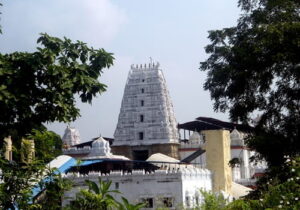
| Shabari Dham | Near Saputara | Lord Rama, devotee Shabari | Believed meeting site from the Ramayana |
| BAPS Shri Swami Narayan Mandir | Saputara | Swaminarayan tradition | Vedic-rooted spiritual organisation insight |
| Saptashrungi Temple | ~50 km from Saputara | Goddess Kali (sister deity) | Best visited during Dussehra and Navratri |
| Snake Worship Site | Banks of Sarpaganga River, Saputara | Adivasi snake deity tradition | Worshipped by Adivasis especially during Holi |
Weather in Dang District
October to February — Pleasant Season: Cool, comfortable temperatures (10°C-16°C in winter) make this the ideal window for forest treks, sightseeing, and exploring waterfalls at their post-monsoon best, with clear skies throughout.
June to September — Monsoon (Lush Greenery): Many sources specifically recommend this period for experiencing Saputara’s most dramatic transformation — vibrant green landscapes, waterfalls at full flow (Gira and Girmal Falls particularly), and misty, fog-kissed valleys, though the ropeway may close and some roads can become risky during heavy rain.
March to May — Summer: Temperatures range from 27°C to 32°C — still notably milder than the rest of Gujarat’s typically scorching summer plains, making Saputara a viable summer escape even during this period.
Things to Do in Dang District (2026)
Ropeway Ride to Sunset Point — Take the cable car from Table Point to Gandhi Shikhar for panoramic Dang forest views and one of Saputara’s finest sunsets.
Trek to Gira and Girmal Falls — Time a post-monsoon visit (September-October) to witness both waterfalls at their fullest, most dramatic flow.
Explore the Saputara Tribal Museum — Spend 30 minutes to an hour learning about the Bhil, Kunbi, Warli, and Gamit communities through over 400 documented artifacts.
Wildlife Trek at Vansda National Park — Arrange a guided trek to spot leopards, four-horned antelopes, and the park’s rich birdlife within its 24 sq km forest reserve.
Shop for Tribal Handicrafts at Ambapada and Gandharvpur — Purchase authentic bamboo products, Warli paintings, and handwoven Dangi sarees directly from local artisan villages.
Boating and Garden Walks at Saputara Lake — A relaxed half-day combining the lake’s boating facilities with strolls through the Rose, Step, and Lake Gardens.
How to Reach Dang District
By Air: Ozar Airport in Nashik is the nearest domestic airport; Surat Airport offers an alternative, with road transfer required to reach Saputara from either.
By Train: Bilimora Railway Junction, approximately 50-112 km from Saputara depending on the source, has frequent train connections from major cities in Gujarat and Maharashtra.
By Road: Saputara has no airport or railway station of its own, making road travel essential — regular state-run buses connect Saputara to Ahmedabad, Mumbai, and Pune, with the town located just 4 km from the Maharashtra border.
Conclusion
Dang district offers Gujarat’s only genuine hill-station escape — a Western Ghats plateau where the mythology of Rama’s exile meets living tribal culture, where waterfalls cascade through dense Sahyadri forest, and where Saputara’s planned resort infrastructure has, remarkably, preserved rather than erased the region’s authentic Dangi heritage. For travellers seeking cool relief from Gujarat’s plains combined with genuine tribal art, forest biodiversity, and quiet spiritual significance, Dang district rewards a focused multi-day visit.
FAQs About Dang District, Gujarat
Q1. What is Dang district famous for?
A: Dang district is famous for Saputara, Gujarat’s only hill station, located in the Sahyadri range of the Western Ghats. The district is also known for Gira and Girmal Falls, Vansda National Park, the Saputara Tribal Museum, and Shabari Dham — the believed site where Lord Rama met the devotee Shabari during his exile.
Q2. What does “Saputara” mean and why is it called that?
A: Saputara literally translates to “Abode of Serpents.” The name reflects the deep tribal tradition of snake worship practised by the Adivasi communities of the region, who venerate a snake image on the banks of the Sarpaganga River, particularly during the Holi festival.
Q3. What is the mythological significance of Dang district?
A: Local tradition holds that Lord Rama spent a significant portion of his 14-year exile in the Dang region. Shabari Dham, near Saputara, commemorates the legendary meeting between Rama and the elderly tribal devotee Shabari — one of the most touching episodes of devotion in the Ramayana.
Q4. Which tribal communities inhabit Dang district?
A: Dang district is home to several indigenous tribal communities, including the Bhils, Kunbis, Warlis, and Gamits. These communities maintain distinctive cultural traditions including Warli painting, bamboo carving and craft, and the production of traditional Dangi sarees, documented extensively at the Saputara Tribal Museum.
Q5. When is the best time to visit Saputara and Dang district?
A: October to February offers the most comfortable weather (10°C-16°C) for sightseeing and trekking. However, many sources specifically recommend June to September (monsoon season) for witnessing Saputara’s most dramatic lush, green transformation and the district’s waterfalls at full flow, despite some road and ropeway disruptions during heavy rainfall.