Dehradun District, Uttarakhand: Top Attractions, History, Temples, Weather & Things to Do
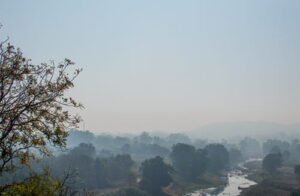
Dehradun district, the winter capital of Uttarakhand and the state’s most populous city, sits in the Doon Valley on the foothills of the Himalayas — nestled between the Ganges on the east and the Yamuna on the west, flanked by the Shivalik Range to the south and the Lesser Himalayan Range to the north. At an altitude of approximately 1,400 feet above sea level, Dehradun enjoys one of North India’s most pleasant year-round climates — mild summers, cool winters, and a scenic environment that has attracted India’s most prestigious educational institutions, military academies, and research centres to this single Himalayan valley.
Known in ancient times as “Drona Nagari” after the legendary Guru Dronacharya of the Mahabharata — who is believed to have been born and resided here — Dehradun’s history stretches from epic mythology through 17th-century Sikh religious heritage (Guru Ram Rai Gurudwara) to British colonial institutional architecture (the Forest Research Institute, the Survey of India, the Indian Military Academy, and the Doon School). Today the district serves simultaneously as the gateway to Mussoorie, Rishikesh, Haridwar, and the Char Dham pilgrimage circuit, and as a complete destination in its own right — combining natural caves, therapeutic sulphur springs, ancient cave temples, and one of India’s most important Buddhist monasteries within a single, easily navigable city.
Dehradun District, Uttarakhand — Quick Overview
| Feature | Details |
| State | Uttarakhand |
| Status | Winter capital of Uttarakhand |
| District Headquarters | Dehradun city |
| Ancient Name | Drona Nagari (after Guru Dronacharya) |
| Famous For | Robber’s Cave, Sahastradhara, Forest Research Institute, Tapkeshwar Temple, Mindrolling Monastery |
| Location | Doon Valley, foothills of Himalayas |
| Elevation | ~1,400 feet (435 metres) |
| Distance from Delhi | ~248-250 km |
| Nearest Airport | Jolly Grant Airport (~30 km) |
| Railway Station | Dehradun Junction (major station) |
| Best Time to Visit | March to June; October to February |
History of Dehradun District
Mahabharata Connections — Drona Nagari
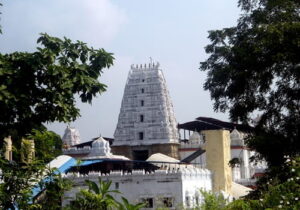
Dehradun’s history is linked to the stories of both the Ramayana and the Mahabharata. Guru Dronacharya, the legendary royal teacher of the Kauravas and Pandavas, is believed to have been born and resided in this region — giving the city its ancient name “Drona Nagari.” Ancient temples and ruins dating to almost 2,000 years old have been discovered in the surrounding areas. It is also believed that after the battle with Ravana, Lord Rama and his brother Lakshmana visited this very site, and that Dronacharya performed penance at Drona’s Ashram (near the present Tapkeshwar Temple area) before training the princes in martial arts.
Guru Ram Rai and the 17th-Century Sikh Legacy
In the 17th century, Guru Ram Rai — the eldest son of the seventh Sikh Guru, Guru Har Rai — came to Dehradun and established a significant Sikh religious community here. The Guru Ram Rai Gurudwara, constructed in his memory, features over 500 stunning mural paintings and remains one of the most architecturally extraordinary Sikh pilgrimage sites outside Punjab. The annual Jhanda Mela in March is the gurudwara’s most significant festival, attracting Sikh devotees from across India.
British Institutional Legacy — Survey of India to Doon School
During the British colonial period, Dehradun was deliberately chosen as the site for several prestigious national institutions that have shaped modern India. The Survey of India, the country’s national geographic survey organisation, was established here. The Forest Research Institute, set up in 1906 in a magnificent Greco-Roman-style building, was founded to guide India’s forestry science. The Indian Military Academy (IMA) has produced generations of Indian Army officers since its founding. The Doon School, established in 1935, has consistently ranked as India’s finest residential school for boys. This concentration of national institutions makes Dehradun unique among Indian cities of its size.
Anglo-Gurkha War — The Battle of Nalapani (1814)
The Khalanga War Memorial (also known as the Kalinga War Memorial) in Dehradun commemorates a significant military event: the Battle of Nalapani in 1814, the first battle of the Anglo-Nepalese War, fought between the British East India Company and Nepalese (Gurkha) forces. In an unusual historical gesture, the British erected a memorial honouring their enemies — the brave Gurkha soldiers who had defended Nalapani Fort against overwhelming odds. This memorial represents one of history’s most magnanimous tributes from a victorious army to its defeated foe.
Top Attractions in Dehradun District
Robber’s Cave (Guchhupani)
One of Dehradun’s most famous natural attractions, Robber’s Cave (locally known as Guchhupani) is a fascinating river cave formation located approximately 8 km from the city centre in Garhi Cantonment. The cave is approximately 600 metres long and divided into two main parts, with the highest waterfall inside reaching about 10 metres. The defining mystery of Robber’s Cave is a stream that suddenly disappears underground at the cave’s entrance and reappears a short distance away, creating a genuinely puzzling natural phenomenon in a narrow gorge formed in conglomerate limestone on the Doon Valley’s plateau. Local lore holds that the cave was once the hideout of Sultana Daaku and his band of dacoits during the British era — a story that gives the English name its dramatic quality. Visitors wade through the shallow, cool stream inside and can witness the hidden waterfall at the far end.
Sahastradhara (Thousand-Fold Spring)
Located 14-16 km from Dehradun city on Sahastradhara Road, Sahastradhara — literally translating to “thousand-fold spring” — is one of the district’s most celebrated outdoor destinations. The site is famous for its sulphur-rich water springs with therapeutic properties: the water cascades through limestone stalactites, becoming naturally enriched with sulphur believed to cure skin diseases and joint ailments. Visitors can take a dip in the cool, healing waters, enjoy the ropeway ride offering panoramic valley views, and admire the beautiful waterfalls cascading through the scenic surrounding landscape.
Forest Research Institute (FRI)
Established in 1906, the Forest Research Institute is among Dehradun’s most iconic colonial-era landmarks — a magnificent building blending Greco-Roman and colonial architectural styles that has served as the filming location for numerous Bollywood productions. The FRI campus spans vast manicured lawns and houses six forest museums covering pathology, silviculture, timber, entomology, social forestry, and non-wood forest products — making it equally rewarding for architecture lovers, history enthusiasts, and nature educators. Open daily with specific hours, the museum visit typically requires 2-3 hours to do justice to its comprehensive collections.
Tapkeshwar Mahadev Temple
Located 6.5 km from Dehradun Railway Station on the banks of the Asan River in Garhi Cantonment, the Tapkeshwar Mahadev Temple is the city’s most significant Hindu pilgrimage site, built inside a natural limestone cave. The main sanctum houses a self-manifested Swayambhu Shivalinga believed to be the hermitage of Guru Dronacharya — the very Mahabharata-era teacher who gave Dehradun its ancient name. The defining feature that gives the temple its name is that water continuously drips (tapakna = to drip) from the cave’s ceiling directly onto the Shivalinga, creating a perpetual natural abhishek (sacred bathing) that devotees regard as divinely ordained.
Mindrolling Monastery (Buddha Temple Complex)
Established in Clement Town, Dehradun, by Khochhen Rinpoche in 1965, Mindrolling Monastery is one of the largest and most important Buddhist learning centres in India. The monastery complex features spectacular wall paintings depicting the life of Lord Buddha created by around 50 artists over three years, a massive 35-metre Buddha statue, and an architecturally stunning stupa that was inaugurated as a major ceremonial event. Built in Japanese architectural style and drawing visitors from across India and abroad, the monastery offers a profoundly peaceful meditative environment amid the Himalayan foothills.
Guru Ram Rai Gurudwara
A 17th-century Sikh pilgrimage site established in honour of Guru Ram Rai, featuring over 500 stunning mural paintings throughout its complex. The annual Jhanda Mela in March draws Sikh devotees from across India for a major celebration, while the gurudwara remains open year-round as one of Uttarakhand’s most architecturally and spiritually significant religious monuments.
Lachhiwala Nature Park
A peaceful picnic spot and nature reserve located on the banks of the Song River approximately 22 km from Dehradun, Lachhiwala features man-made pools, natural surroundings, and a relaxing riverside atmosphere making it one of the city’s favourite weekend family destinations.
Mussoorie (Day Trip / Weekend Excursion)
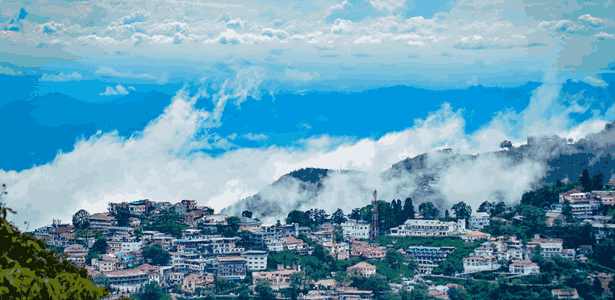
Located 33 km from Dehradun, Mussoorie — the “Queen of Hills” — is the most popular day trip or overnight excursion from Dehradun, offering Kempty Falls, Camel’s Back Road, Lal Tibba’s sweeping Himalayan panoramas, and mountain air at an average altitude of 1,880 metres.
Char Sidh Temples
A group of four holy temples located across Dehradun — Lakshman Sidh, Kalu Sidh, Manak Sidh, and Madu Sidh — collectively known as “Char Sidh Peeth.” Local tradition holds that visiting all four in a single day (without eating) fulfils a devotee’s deepest wishes, making this a significant local pilgrimage circuit for Dehradun residents.
Rajaji National Park
Located 36 km south of Dehradun, Rajaji National Park stretches across the Shivalik Hills and is home to elephants, leopards, and diverse Himalayan wildlife, providing an accessible wildlife sanctuary for visitors seeking a half-day or full-day nature excursion from the city.
Temples of Dehradun District
| Temple | Location | Deity | Key Feature |
| Tapkeshwar Mahadev Temple | Garhi Cantonment, ~6.5 km from station | Lord Shiva (Swayambhu Linga) | Cave temple; continuous water drip from ceiling onto Shivalinga |
| Santala Devi Temple | Outskirts of Dehradun | Goddess Santala Devi | Popular pilgrimage; auspicious for new beginnings |
| Daat Kali Temple | Dehradun | Goddess Kali | Flame burning continuously since 1921 |
| Char Sidh Peeth | Four locations across Dehradun | Various Sidh deities | Visiting all four in one day fulfils wishes |
| Tapovan Temple | Dehradun | Lord Shiva | Peaceful Shiva shrine; popular with locals |
| Lakhamandal Temple | Lakhamandal area, district outskirts | Lord Shiva | Ancient site with hundreds of Shiva lingams |
Weather in Dehradun District
March to June — First Best Period: Mild, pleasant weather (15°C-30°C) ideal for outdoor sightseeing, cave exploration, and gateway trips to Mussoorie and Rishikesh.
October to February — Second Best Period: Cool, crisp mountain air (minimum around 5°C in December-January) perfect for heritage walks, monastery visits, and FRI exploration, with Mussoorie potentially receiving snow in January-February.
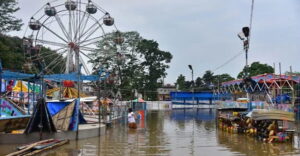
July to September — Monsoon: Heavy rainfall, with Sahastradhara and waterfalls at their most dramatic, though Robber’s Cave may close due to flooding and some roads can be affected.
Things to Do in Dehradun District (2026)
Robber’s Cave Wading Adventure — Enter the cave early morning with rubber sandals, wade through the cold stream, and discover the hidden waterfall at the far end of this 600-metre geological wonder.
Sahastradhara Therapeutic Spring and Ropeway — Take a therapeutic dip in the sulphur springs, ride the ropeway for panoramic valley views, and enjoy the cascading waterfall scenery.
Forest Research Institute Heritage Walk — Spend a morning at FRI’s six museums and colonial-era campus, particularly meaningful for those interested in environmental science, forestry history, or Bollywood filming locations.
Tapkeshwar Cave Temple Darshan — Visit at dawn for the most peaceful experience of this unique cave Shiva shrine, where the continuous natural water drip creates an atmosphere of unbroken devotion.
Mindrolling Monastery Meditation Morning — Arrive early at the monastery for quiet meditation in the prayer hall beneath spectacular Buddhist murals and the massive Buddha statue.
Mussoorie Hill Station Day Trip — Combine a Dehradun base with a 33 km morning drive to Mussoorie for mountain views, Kempty Falls, and the characteristic hill-station atmosphere.
How to Reach Dehradun District
By Air: Jolly Grant Airport, approximately 30 km from the city, connects Dehradun to Delhi, Mumbai, Bangalore, and other major Indian cities with regular flights.
By Train: Dehradun Junction is a major railway station with direct connections to Delhi (Shatabdi Express, Mussoorie Express), Lucknow, Varanasi, Kolkata, and other cities.
By Road: Dehradun is approximately 250 km from Delhi (5-6 hours), with smooth national highway connectivity and regular state buses, private coaches, and taxis running from Delhi, Haridwar, Rishikesh, and other UP cities.
Conclusion
Dehradun district delivers the Doon Valley’s most complete combination of natural wonder, spiritual heritage, colonial grandeur, and Himalayan gateway convenience — a limestone cave with a disappearing river, a prehistoric Shiva shrine where water eternally drips onto a self-manifested lingam, India’s most architecturally imposing colonial forest institution, and one of the country’s most significant Buddhist monasteries, all within a single city that simultaneously functions as the doorstep to Mussoorie, Rishikesh, and the Char Dham pilgrimage circuit.
FAQs About Dehradun District, Uttarakhand
Q1. What is Dehradun district famous for?
Dehradun is famous for Robber’s Cave (natural cave with a disappearing river), Sahastradhara (therapeutic sulphur springs), the Forest Research Institute (iconic colonial building), Tapkeshwar Mahadev Temple (cave Shiva shrine with continuous water drip), Mindrolling Monastery (one of India’s largest Buddhist centres), and as the gateway to Mussoorie, Rishikesh, and the Char Dham pilgrimage circuit.
Q2. Why is Dehradun called “Drona Nagari”?
Dehradun is called Drona Nagari after Guru Dronacharya — the legendary royal teacher of the Kauravas and Pandavas in the Mahabharata — who is believed to have been born and resided in this region. The Tapkeshwar Mahadev Temple cave is believed to be the site of his hermitage.
Q3. What is the unique feature of Tapkeshwar Mahadev Temple?
Tapkeshwar Mahadev Temple, built inside a natural limestone cave, houses a self-manifested (Swayambhu) Shivalinga. Its defining characteristic is that water continuously drips from the cave ceiling directly onto the Shivalinga — an unbroken natural abhishek (ritual bathing) that gives the temple its name “Tapkeshwar” (tapakna = to drip) and is considered a divine blessing by devotees.
Q4. What makes Robber’s Cave scientifically interesting?
Robber’s Cave features a geological phenomenon where a stream disappears underground at the cave’s entrance and reappears a short distance away — a result of the cave’s formation in conglomerate limestone on the Doon Valley plateau. The 600-metre cave system has two main sections and a 10-metre internal waterfall, offering visitors a unique combination of geological curiosity and natural adventure.
Q5. When is the best time to visit Dehradun district?
March to June offers the most pleasant, warm weather for outdoor activities and sightseeing. October to February provides cool, crisp mountain air ideal for heritage and monastery visits, with Mussoorie potentially offering snow views in January-February. The monsoon (July-September) makes Sahastradhara’s falls most dramatic but can affect Robber’s Cave access and road conditions.