Chengannur, Alappuzha District, Kerala: Top Attractions, History, Temples, Weather & Things to Do
Chengannur is a municipality in the Alappuzha district of Kerala, situated on the banks of the sacred Pamba River, 43 km southeast of the district headquarters at Alappuzha (Alleppey) and approximately 115 km north of Thiruvananthapuram. The town is the largest and most important commercial, cultural, and educational centre of the Onattukara region, serving as headquarters of both the Chengannur Revenue Division and the Chengannur taluk, which encompasses 11 panchayats and 44 villages across Karthikapally, Chengannur, and Mavelikkara taluks.
Chengannur carries extraordinary spiritual weight in the Vaishnava tradition as the site of five Pandava-built temples — each of the five Pandava princes is believed to have installed a tutelary image of Krishna here following the Mahabharata war. Among these, the Thrichittatt Maha Vishnu Temple is counted as one of the 108 Divya Desams celebrated by the Vaishnava Alvar saints, and the Aranmula Parthasarathy Temple is one of Kerala’s most significant Krishna shrines. The Chengannur Mahadeva Temple, built 1,500 years ago, is celebrated as a major Shakti Peedam for a unique biological-spiritual phenomenon: the Thripootha Arattu Festival, believed to occur when signs of menstruation appear on the garment of the Goddess Parvati — a tradition connecting human fertility directly to divine feminine power.
Chengannur, Alappuzha District — Quick Overview
| Feature | Details |
| State | Kerala |
| District | Alappuzha |
| Revenue Division | Chengannur Revenue Division |
| Famous For | Chengannur Mahadeva Temple, Thrichittatt Maha Vishnu Temple (108 Divya Desam), Aranmula Parthasarathy Temple, Aranmula Kannadi |
| Key River | Pamba |
| Religious Status | Major Shaiva pilgrim destination; Pandava temple circuit |
| Distance from Alappuzha HQ | ~43 km |
| Distance from Thiruvananthapuram | ~115 km |
| Nearest Airport | Kochi International Airport (~110-130 km) |
| Railway Station | Chengannur Railway Station (Gateway to Sabarimala) |
| Best Time to Visit | November to February (year-round destination) |
History of Chengannur
Ancient Roots — Sangam Age and Brahmanical Heritage
Evidence places Chengannur among the most ancient continuously inhabited settlements in the region, with archaeology and literature supporting habitation since at least the Sangam period. The town is recognised as one of the 64 ancient Brahmanagrams (Brahmin settlements) of Kerala, reflecting its status as a centre of Vedic learning and religious orthodoxy from antiquity. Stone axes discovered in the area belong to the Neolithic Age, confirming the very long arc of human presence in this Pamba River valley.
Pandava Connection — The Five Temple Circuit
One of the most significant mythological traditions connected to Chengannur concerns the five Pandava princes of the Mahabharata. According to tradition, after crowning Parikshit as king of Hastinapura, the Pandavas left on a final pilgrimage and, arriving on the banks of the Pamba River, each installed a tutelary image of Krishna: Yudhishthira established the Thrichittatt Maha Vishnu Temple, Bhima the Puliyur Mahavishnu Temple, Arjuna the Aranmula Parthasarathy Temple, Nakula the Thiruvanvandoor Mahavishnu Temple, and Sahadeva the Thrikodithanam Mahavishnu Temple. The particular significance of the Thrichittatt Temple is that Yudhishthira — who famously never told a lie — uttered one untruth to defeat his guru Dronacharya during the Mahabharata war, and performed penance here to overcome that sin. The devas (celestial beings) themselves had worshipped here before him, hence the deity’s name “Imayavar-appan” (He who was worshipped by the Devas).
The Chengannur Mahadeva Temple — 1,500 Years of Shiva-Parvati Devotion
One of the 108 temples believed to have been created by Parashurama, Chengannur Mahadeva Temple was built approximately 1,500 years ago by the legendary architect and sculptor Perunthachan. Its theological foundation is unusual in Kerala’s Shiva temple tradition: both Lord Shiva and Goddess Parvati share the sanctum sanctorum equally — their union symbolising the ideal divine couple, with Shiva’s shrine facing east and Devi’s shrine facing west. A fire in the 18th century damaged the temple complex, with subsequent renovation restoring most of the original architectural splendour though the original Koothambalam (uniquely designed so performers’ shadows would never fall on the stage when all lamps were lit) could not be reproduced.
Chengannur and the Sabarimala Pilgrimage Circuit
Chengannur Railway Station has been officially designated “The Gateway to Sabarimala” — the world-famous Ayyappa pilgrimage site — because the most popular train route for pilgrims travelling to Sabarimala passes through Chengannur, with devotees continuing by road to Pathanamthitta and then to the shrine. This designation makes the town’s railway station one of Kerala’s most significant pilgrimage transit points during the Sabarimala pilgrimage season (typically November through January).
Craftsmen Who Built Sabarimala
Chengannur holds a specific and proud historical distinction regarding the Sabarimala temple: the craftsmen who were brought by the rulers of Travancore to construct the Sabarimala temple were from Chengannur. Additionally, idols of the deities of many temples across Kerala were traditionally crafted here, establishing Chengannur as one of Kerala’s most significant historic centres of temple sculpture and craftsmanship.
Top Attractions in Chengannur
Chengannur Mahadeva Temple
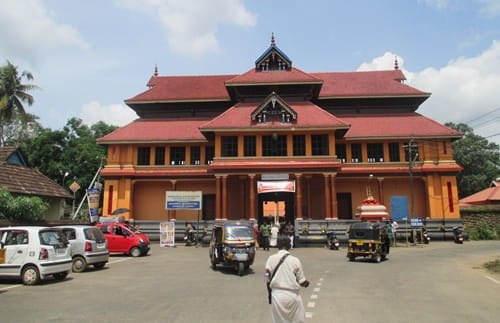
Built over 1,500 years ago by the legendary architect Perunthachan and believed to have been created by Parashurama, the Chengannur Mahadeva Temple is one of the most significant Shiva temples in Kerala. Its most distinctive feature — both Lord Shiva and Goddess Parvati sharing the same sanctum sanctorum — is unique in the Kerala temple tradition. The temple’s layout features two shrines (Lord Shiva facing east, Devi Parvati facing west) with the main shrine’s copper-plated conical structure and Devi’s Panchaloham (five-metal alloy) idol. The gold-plated Shivalingam bears an image of Ardhanareeswara (Shiva-Shakti combined form) on the gold plate.
The temple’s most celebrated event is the Thripootha Arattu Festival — observed when signs of menstruation appear on the vesture of Goddess Parvati, making this one of the most extraordinary and spiritually distinctive festivals in all of Kerala. Considered a symbol of divine fertility and feminine power, the festival draws enormous crowds of devotees seeking blessings for fertility and prosperity. The temple also features a beautiful Koothambalam, stunning Mandapams, and exquisite woodwork throughout its Mukhamandapam.
Thrichittatt Maha Vishnu Temple (Thiruchenkundrur)
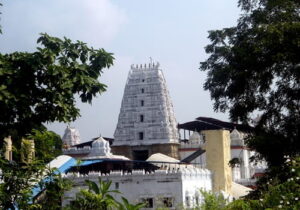
One of the 108 Divya Desams — the most sacred Vaishnava shrines celebrated by the Alvar saints in the Naalayira Divya Prabandham — the Thrichittatt Temple is dedicated to Lord Vishnu worshipped as Imayavarappar (He worshipped by the Devas). Built by Yudhishthira in atonement for his single untruth during the Mahabharata war, the temple is glorified in the Divya Prabandha of Nammalwar, an 8th-century Alvar saint-poet. The temple represents one of five Pandava-built Vishnu shrines in the Chengannur area and draws Vaishnava pilgrims from across India seeking darshan at this ancient Divya Desam.
Aranmula Parthasarathy Temple
Located in Aranmula, a short distance from Chengannur on the banks of the Pamba River, the Aranmula Parthasarathy Temple — built by Arjuna among the five Pandava temples — is one of Kerala’s most significant Krishna shrines and a key stop on the broader Chengannur temple circuit. Aranmula is additionally world-famous for two entirely unique attractions: the Aranmula Kannadi (unique metal mirrors made of bell metal, the art of which is found nowhere else in the world) and the Aranmula Vallamkali (snake boat race) held during the Onam festival.
Rock Cut Cave Temple
One of Chengannur’s most historically remarkable sites, this rock-cut cave temple features carved architecture and detailed sculptures reflecting the region’s ancient craftsmanship traditions. The cave temple’s relatively lesser-known status makes it one of the area’s most rewarding discoveries for visitors interested in Kerala’s deep archaeological and artistic heritage.
Vadasserikkavu Devi Temple
The Vadasserikkavu Devi Temple is particularly celebrated for Padayani — a traditional temple art form featuring elaborate costumes and performances associated with the Bhagavathi cult, performed as part of the temple’s annual festival. Chengannur has produced several renowned Kathakali artists, the most celebrated being Chenganoor Raman Pillai, and the region’s cultural arts traditions run deep.
Pamba River and Chengannur Backwaters
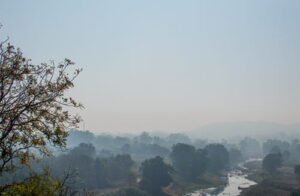
The Pamba River flows gracefully through and around Chengannur, providing the town with its characteristic scenic charm of paddy fields, coconut groves, and winding waterways typical of central Travancore’s cultural landscape. The river is central to the town’s spiritual identity — many Chundan Vallam (snake boats) participating in the famous Aranmula Boat Race hail from Chengannur and nearby areas — and provides an essential natural setting for the town’s devotional life.
Noottavan Para View Point
A hidden gem nestled amid lush landscapes near Chengannur, Noottavan Para View Point offers panoramic scenic beauty from a rocky clifftop terrain — best visited around 5 PM for the scenic sunset view. Located 2.6 km from Chengannur Railway Station, this viewpoint rewards those seeking natural beauty away from the town’s predominantly temple-focused tourism.
Temples of Chengannur and Surrounding Area
| Temple | Location | Deity | Key Feature |
| Chengannur Mahadeva Temple | Chengannur | Lord Shiva + Goddess Parvati | 1,500 years old; Thripootha Arattu festival |
| Thrichittatt Maha Vishnu Temple | Chengannur | Lord Vishnu (Imayavarappar) | One of 108 Divya Desams; built by Yudhishthira |
| Aranmula Parthasarathy Temple | Aranmula | Lord Krishna (Parthasarathy) | Built by Arjuna; Aranmula Boat Race connection |
| Puliyur Mahavishnu Temple | Near Chengannur | Lord Vishnu | Built by Bhima (Pandava); part of 5-temple circuit |
| Thiruvanvandoor Mahavishnu Temple | Thiruvanvandoor | Lord Vishnu | Built by Nakula (Pandava) |
| Thrikodithanam Mahavishnu Temple | Thrikodithanam | Lord Vishnu | Built by Sahadeva (Pandava) |
| Vadasserikkavu Devi Temple | Chengannur area | Goddess Bhagavathi | Famous for Padayani traditional art form |
Weather in Chengannur
November to February — Best Time: Pleasant tropical weather with comfortable temperatures, lower humidity, and minimal rainfall ideal for temple visits, river excursions, and the Sabarimala pilgrimage season (typically November-January when Chengannur Railway Station is at its busiest as “Gateway to Sabarimala”).
Year-Round Destination: Chengannur is a year-round pilgrimage destination — the Chengannur Mahadeva Temple’s Thripootha Arattu festival can occur at unpredictable times when the Goddess’s garment shows signs of menstruation, making this an impossible event to specifically plan around, though it is a remarkable occurrence worth knowing about.
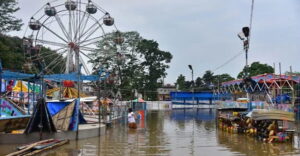
Monsoon (June-September): Heavy Kerala monsoon rainfall brings lush green scenery and full-flowing rivers, with the Pamba and surrounding waterways at their most visually spectacular, though boat travel may be affected by water levels.
Things to Do in Chengannur (2026)
Five Pandava Temple Circuit — Visit all five Pandava-built temples over a focused day or two, combining the Divya Desam at Thrichittatt with Aranmula Parthasarathy and the remaining three shrines for a complete Mahabharata devotional circuit.
Chengannur Mahadeva Temple Darshan — Visit this 1,500-year-old temple with its unique dual Shiva-Parvati sanctum, and if fortunate enough to be present during Thripootha Arattu, witness one of Kerala’s most singular and spiritually extraordinary festivals.
Aranmula Boat Race (Onam Season) — Time a visit for the Onam festival period to witness the spectacular Aranmula Vallamkali snake boat race on the Pamba River.
Aranmula Kannadi Shopping — Purchase authentic Aranmula metal mirrors — the unique bell-metal craft found nowhere else in the world — directly from master craftsmen in Aranmula.
Rock Cut Cave Temple Heritage Visit — Explore this lesser-known archaeological gem for an authentic connection to ancient Kerala’s artistic and religious heritage.
Noottavan Para Sunset Viewpoint — Make the short 2.6 km journey from Chengannur Railway Station for panoramic sunset views over the Onattukara landscape.
How to Reach Chengannur
By Air: Kochi International Airport is approximately 110-130 km away by road, the nearest major air connection.
By Train: Chengannur Railway Station (station code CGNR) — officially designated “The Gateway to Sabarimala” — is an important stop on the Thiruvananthapuram railway division of Southern Railway, well connected to major Indian cities.
By Road: Chengannur is accessible by KSRTC inter-state bus services and private buses connecting to Thiruvananthapuram, Ernakulam, Thrissur, Kozhikode, Mangalore, Kanyakumari, Coimbatore, Palani, and Kannur, among other destinations.
Conclusion
Chengannur, in Alappuzha district, delivers central Travancore’s most concentrated spiritual circuit — the 108 Divya Desam Thrichittatt Temple built by Yudhishthira’s own penance, the world’s only natural menstruation-linked goddess festival at the 1,500-year-old Mahadeva Temple, the Aranmula Parthasarathy Temple on the Pamba River’s banks, and a unique metal mirror craft tradition found nowhere else on Earth. For pilgrims following the Pandava temple trail, devotees of Lord Shiva seeking the divine feminine’s most intimate expression, or travellers seeking the quiet beauty of central Kerala’s backwater-and-temple landscape, Chengannur rewards deeply.
FAQs About Chengannur, Alappuzha District
Q1. Which district is Chengannur in?
A: Chengannur is a municipality in the Alappuzha (Alleppey) district of Kerala, located 43 km southeast of the district headquarters at Alappuzha and approximately 115 km north of Thiruvananthapuram.
Q2. What is the Thripootha Arattu Festival at Chengannur Mahadeva Temple?
A: The Thripootha Arattu is a unique festival at the Chengannur Mahadeva Temple observed when signs of menstruation appear on the vesture (garment) of Goddess Parvati. Considered a symbol of divine fertility and the Goddess’s living presence, this extraordinary festival — which occurs unpredictably rather than on a fixed calendar date — makes the Chengannur Mahadeva Temple one of Kerala’s most significant Shakti Peethas, drawing thousands of devotees seeking blessings for fertility and prosperity.
Q3. What is the Pandava temple connection in Chengannur?
A: According to tradition, after crowning Parikshit as king of Hastinapura following the Mahabharata war, the five Pandava princes arrived at the banks of the Pamba River and each installed a tutelary image of Krishna: Yudhishthira built the Thrichittatt Maha Vishnu Temple, Bhima the Puliyur Temple, Arjuna the Aranmula Parthasarathy Temple, Nakula the Thiruvanvandoor Temple, and Sahadeva the Thrikodithanam Temple.
Q4. What is Aranmula Kannadi and where can it be found?
A: Aranmula Kannadi is a unique type of metal mirror made from a special blend of bell metal, found exclusively in Aranmula near Chengannur. The craft is believed to have originated through a divine inspiration that revealed the mysterious bronze blend capable of being waxed to a crystal-clear mirror finish. The mirrors are not available anywhere else in the world and represent one of Kerala’s most distinctive handcraft traditions.
Q5. Why is Chengannur Railway Station called “The Gateway to Sabarimala”?
A: Chengannur Railway Station has been officially designated “The Gateway to Sabarimala” because the most popular train route for pilgrims travelling to the Sabarimala Ayyappa temple passes through this station, with devotees continuing by road via Pathanamthitta to the hilltop shrine. The station serves as the primary rail transit point for millions of Sabarimala pilgrims each year during the November-January pilgrimage season.