Is Nightclub & Bar Business Legal in India?
Picture two entrepreneurs with identical business plans, a stylish nightclub serving cocktails and hosting live DJs. One opens in Goa within weeks, spending a modest amount on licensing. The other, trying the same concept in Gujarat, discovers they’re in a state where alcohol sales are banned outright, and their entire business model simply cannot legally exist there in the form they imagined. This isn’t a hypothetical exaggeration, it genuinely reflects how dramatically different running a bar or nightclub business can be depending purely on which Indian state you choose to operate in.
Here’s why understanding this genuinely matters before you sign a lease or invest in interiors: alcohol regulation in India isn’t governed by one central law, it’s a State List subject under the Constitution, meaning each of India’s 28 states and 8 union territories runs its own Excise Act with entirely different licensing categories, costs, and restrictions. What’s a straightforward, affordable process in one city can be a genuinely expensive, complicated, or even legally impossible venture just a few hundred kilometres away.
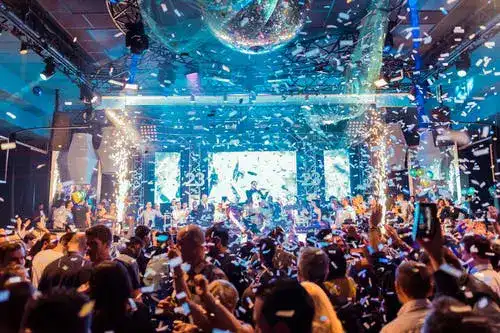
Why Nightclub and Bar Businesses Are Genuinely Legal, But Never Uniformly Regulated
This deserves clarity upfront. Running a nightclub or bar is entirely legal across most of India, but “legal” genuinely means something different depending on your specific state, since there’s no single national liquor law you can simply comply with once and operate anywhere. Instead, you’re working within whichever state’s specific Excise Act governs your chosen location, the Delhi Excise Act 2009, the Karnataka Excise Act 1965, the Maharashtra Prohibition Act 1949, and so on, each with its own distinct rules, fee structures, and eligibility requirements.
This state-by-state variation genuinely explains why identical business concepts face wildly different costs and complexity depending purely on location. A liquor license that costs as little as ₹25,000 in Goa can genuinely run ₹50 lakh or more for a premium bar license in Delhi or Mumbai, and understanding this before committing to a specific city genuinely matters for your entire financial planning.
Why Some States Genuinely Prohibit or Severely Restrict Alcohol Entirely
This is genuinely worth knowing before you even consider a location. Gujarat maintains strict prohibition laws, making it what’s commonly called a “dry state,” where selling and consuming alcohol faces heavy legal restriction despite hotels, restaurants, and event organisers in cities like Ahmedabad and Surat still needing specific, tightly controlled permits to serve alcohol legally under narrow exceptions. Bihar similarly maintains prohibition, and several other states and union territories carry their own significant restrictions or outright bans in specific districts.
This means the very first question anyone considering a bar or nightclub business genuinely needs to answer isn’t about business planning at all, it’s simply confirming whether your intended state permits this business model in the first place, since no amount of licensing expertise or capital investment overcomes an outright state prohibition.
Understanding the Different License Categories You’ll Genuinely Need
Once you’ve confirmed your state permits alcohol service, choosing the correct license category genuinely matters, since filing under the wrong classification results in automatic rejection and a wasted application fee. Standalone restaurants wanting to serve liquor alongside meals typically need something like an L17 license in Delhi or an FL-3 in Maharashtra, while hotels with star classification and Tourism Department approval access separate categories like L3 or L5 licenses specifically designed for their format.
Nightclubs specifically, given their entertainment-focused, late-night operating model, genuinely fall into distinct categories reflecting their extended hours and different customer experience compared to a standard restaurant bar. Private clubs serving only members typically require an L19 license, or L28 in Delhi specifically, restricting alcohol service exclusively to verified members and their guests rather than the general public.
Why Age Requirements and Background Checks Genuinely Vary by State Too
This is another detail that genuinely differs depending on location, and it’s worth confirming specifically for wherever you plan to operate. Minimum age requirements for license applicants range from 18 years in states like Goa and Rajasthan to 21 years in Delhi, Karnataka, and most other states, climbing to 25 years specifically in Maharashtra and Chandigarh. Every state genuinely requires police verification and a clean criminal record, particularly regarding any prior alcohol-related offences, as part of the application process.
These eligibility checks aren’t mere formalities, they genuinely reflect each state’s effort to ensure only responsible, verified operators receive permission to sell alcohol, and providing false information or attempting to bypass these checks genuinely risks immediate license denial or revocation if discovered later.
Why a Liquor License Is Genuinely Just One of Several Permits You’ll Need
This is where many first-time bar owners genuinely underestimate their total compliance burden. Beyond the state excise license itself, a fully compliant bar or nightclub genuinely needs an FSSAI food safety license if serving any food, a fire safety certificate confirming your premises meets safety standards for occupancy, a trade license from your local municipal authority, GST registration, Shop and Establishment registration, and often a police NOC specifically for the premises.
Operating a nightclub specifically, given late-night hours and entertainment elements like live music or dancing, sometimes triggers additional scrutiny around noise regulations and occupancy limits beyond what a standard restaurant bar faces. Missing even one of these seven to nine total permits genuinely creates legal vulnerability, regardless of how properly you’ve secured your core liquor license, making comprehensive compliance planning genuinely essential from the start rather than an afterthought once you’re already operational.
Frequently Asked Questions
Q1. Can I open the exact same bar or nightclub concept in any Indian state I choose?
Not necessarily, since alcohol regulation is a State List subject, some states like Gujarat and Bihar maintain prohibition or severe restrictions that would make a standard bar or nightclub model legally impossible, so confirming your chosen state’s specific stance genuinely comes before any other planning step.
Q2. Why does a liquor license cost so much more in Delhi or Mumbai compared to a state like Goa?
Each state sets its own excise fee structure based on local policy, market conditions, and licensing category, with metro cities like Delhi and Mumbai often charging considerably more, sometimes ₹50 lakh or higher for premium bar licenses, compared to more accessible fees in states like Goa where licenses can start around ₹25,000.
Q3. Do I need a completely different license for a nightclub compared to a standard restaurant that also serves alcohol?
Generally yes, nightclubs typically require licenses reflecting their extended late-night hours and entertainment focus, distinct from the license categories designed for standard restaurants serving alcohol alongside regular meal service, so confirming the correct category for your specific business format with your state’s excise department genuinely matters before applying.
Q4. Besides the liquor license itself, what other permits does a bar or nightclub genuinely need to operate legally?
A fully compliant establishment typically needs an FSSAI food safety license, fire safety certificate, municipal trade license, GST registration, Shop and Establishment registration, and often a police NOC for the premises, meaning the liquor license alone genuinely isn’t sufficient for complete legal operation.