Is Selling Medicines Online Legal in India?
Type “paracetamol” into any major e-commerce app right now, and it’ll show up alongside groceries and electronics, ready for next-day delivery. Yet in 2023, the Central Drugs Standard Control Organisation issued show-cause notices to some of India’s biggest platforms, including Flipkart, Amazon, and Tata 1mg, questioning exactly this practice. If India’s regulators themselves seem uncertain how to treat online pharmacies, it’s genuinely worth understanding why, especially if you’re considering entering this business or simply trying to figure out whether the app on your phone is operating on solid legal ground.
Here’s the honest, nuanced truth worth stating clearly upfront: India genuinely doesn’t have a dedicated, finalised law specifically governing online medicine sales. This isn’t a simple yes-or-no legal question, it’s a genuine regulatory grey area that’s persisted for nearly a decade, with draft rules proposed in 2018 still sitting unnotified today. Understanding exactly what existing laws do require, and where the genuine uncertainty lies, matters enormously before you assume either that online pharmacy is completely unregulated or that it’s straightforwardly illegal.
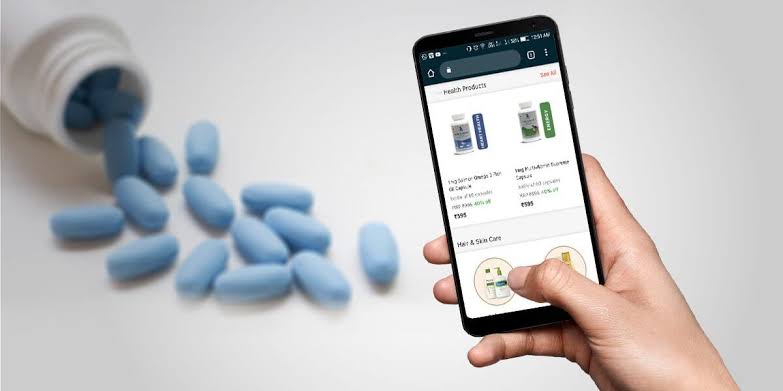
Why There’s Genuinely No Single, Clear Answer
This is the core tension worth understanding first. The Drugs and Cosmetics Act, 1940, India’s primary pharmaceutical legislation, along with its accompanying Rules, contains no explicit provisions specifically addressing online sale or home delivery of medicines. This legislative silence isn’t an oversight, it genuinely reflects that these laws were written decades before internet-based pharmacy became conceivable, and the government’s proposed update, the Draft E-Pharmacy Rules of 2018, remains genuinely unnotified even now, despite years of discussion.
This gap doesn’t automatically mean online pharmacies operate illegally, but it also doesn’t mean they operate in some kind of legal vacuum free from oversight. In December 2015, the Office of the Drugs Controller General issued a notice clarifying that existing Drugs and Cosmetics Act provisions genuinely apply equally to online and offline drug sales, meaning e-pharmacies are expected to follow the same licensing and prescription rules traditional pharmacies have always followed, even without a dedicated e-pharmacy law spelling this out explicitly.
What Genuinely Determines Whether an Online Pharmacy Is Operating Legitimately
Regardless of the broader regulatory ambiguity, a few concrete requirements genuinely apply to any platform selling medicines online in India. A valid drug license, either retail or wholesale depending on scale, issued under the Drugs and Cosmetics Act by the relevant State Drug Control Authority, is genuinely required. Prescription medications specifically cannot be sold without a valid, verified prescription from a registered medical practitioner, and dispensation must genuinely happen under the supervision of a licensed, registered pharmacist.
Certain categories face additional restrictions worth knowing clearly. Schedule H1 drugs, largely antibiotics and habit-forming substances, require particularly careful prescription verification given ongoing concerns about antibiotic misuse and resistance, while narcotic and Schedule X drugs genuinely cannot be sold online at all under any circumstances, regardless of platform size or reputation.
Why Courts Have Genuinely Gone Back and Forth on This Question
This regulatory uncertainty has genuinely played out in real litigation, not just theoretical debate. In 2018, the Delhi High Court banned online medicine sales without valid licensing, a ruling that would have significantly disrupted the entire e-pharmacy industry. Just months later, in January 2019, the Madras High Court stayed a similar single-judge ban, instead directing the central government to finally notify the pending Draft Rules, guidance that, notably, still hasn’t happened years later.
This back-and-forth judicial history genuinely illustrates why the space remains unsettled. Major platforms have continued operating throughout this period, generally treating themselves as intermediaries facilitating connections between customers and licensed physical pharmacies rather than directly selling medicines themselves, a legal positioning that’s helped them continue operating but hasn’t fully resolved the underlying regulatory ambiguity.
Why Medical Bodies Have Genuinely Raised Serious Concerns
It’s worth understanding that this isn’t purely a technical legal debate, medical professional bodies have genuinely raised substantive patient safety concerns about unregulated online medicine sales. Prescriptions submitted digitally, via fax or email, can be genuinely difficult to verify for authenticity, and patients ordering online lose access to the kind of direct pharmacist consultation available at a physical counter, someone who might otherwise catch a dangerous drug interaction or dosing error before it reaches the patient.
Concerns around Schedule H1 antibiotics specifically reflect genuine public health stakes, easy, poorly verified online access to antibiotics genuinely undermines efforts to control multi-drug-resistant bacteria, a serious concern that goes beyond simple regulatory technicality into genuine population health risk.
What This Means If You’re Considering Entering This Business
Given this genuine uncertainty, anyone considering starting an online pharmacy in India should treat proper licensing, verified prescription systems, and licensed pharmacist supervision as non-negotiable baseline requirements, not optional extras to add later once the business scales. Operating without these fundamentals, hoping the broader regulatory ambiguity provides cover, genuinely exposes you to the same enforcement risk that’s already resulted in show-cause notices against major, well-resourced platforms.
Consulting a lawyer with genuine expertise in pharmaceutical and healthcare regulation before launching, rather than relying on general business advice, is genuinely worth the investment given how actively contested and unsettled this specific regulatory space remains.
Frequently Asked Questions
Q1. Is it currently illegal to buy or sell medicines online in India, or is this genuinely still unresolved?
It’s genuinely unresolved rather than clearly illegal, there’s no dedicated law explicitly permitting or banning online medicine sales, but existing Drugs and Cosmetics Act requirements, licensing, prescriptions for restricted drugs, pharmacist supervision, are considered applicable to online sales too, based on a 2015 regulatory clarification.
Q2. Can I buy prescription medicines online without submitting an actual prescription?
No, legitimate online pharmacies genuinely require a valid prescription from a registered medical practitioner for prescription drugs, and platforms allowing purchases without proper prescription verification are operating outside what existing regulations require, regardless of the broader legal ambiguity around online pharmacy as a whole.
Q3. Why haven’t India’s Draft E-Pharmacy Rules from 2018 genuinely been finalised yet?
This reflects ongoing tension between different stakeholders, traditional pharmacy associations, e-pharmacy platforms, and medical bodies have genuinely disagreed on appropriate regulation, and the government has yet to notify final rules despite years of draft proposals and judicial pressure to do so.
Q4. If I want to start a legitimate online pharmacy business, what should I prioritise given this regulatory uncertainty?
Obtaining proper retail or wholesale drug licensing under existing Drugs and Cosmetics Act provisions, implementing genuine prescription verification systems, and ensuring licensed pharmacist supervision for every transaction are genuinely essential baseline requirements, and consulting a healthcare regulatory law specialist before launching is a sensible precaution given how actively contested this space remains.