Is Tea Stall Business Profitable in India?
Walk past any office complex, railway station, or college gate in India at 8 AM, and you’ll spot the same scene, a small chai stall with a queue that never seems to shrink. That humble tapri, often run with nothing more than a stove, a few steel glasses, and a gas cylinder, has quietly become one of India’s most consistently profitable small businesses. It’s not glamorous, but the economics genuinely work in ways few other food businesses can match.
Here’s exactly why this matters if you’re weighing your options: a cup of chai costs roughly ₹3 to 5 to make and sells for ₹10 to 20, delivering a genuine 70 to 80% gross margin per cup, figures that most food categories simply can’t touch. Combine this with the fact that Indians drink chai three to five times daily, 365 days a year, regardless of season or economic mood, and you’ve got a business built on genuinely recession-proof, universal demand.
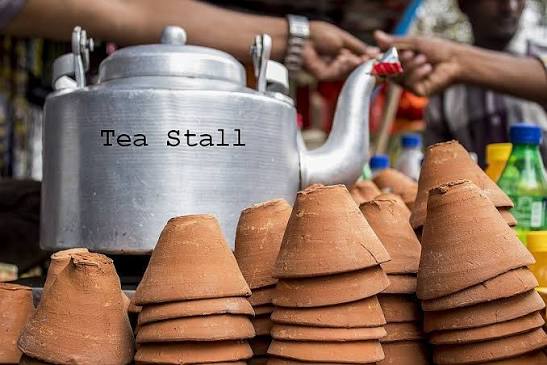
The Basic Roadside Model: Starting Small and Genuinely Fast
For most first-time entrepreneurs, a basic roadside chai tapri genuinely represents the lowest barrier to entry in India’s entire food business landscape. You can realistically start with as little as ₹30,000 to ₹1 lakh, covering a stove, utensils, ingredients, and a simple cart or basic setup, no other food business genuinely offers an entry point this accessible.
A well-located tapri selling 200 to 500 cups daily can genuinely earn ₹30,000 to ₹1,50,000 in monthly profit after accounting for rent, staff, and ingredient costs, with net margins typically running 50 to 70%. This is genuinely remarkable profitability for a business that doesn’t require specialised training, elaborate equipment, or years of culinary experience to execute well.
Why Location Genuinely Determines Everything
This is the single factor that separates a thriving tea stall from a struggling one, and it’s worth understanding clearly before you commit to any specific spot. A high-footfall location with 5,000 or more daily passers-by can genuinely recover a ₹3.5 lakh investment within just 3 to 5 months, while a developing location seeing only around 1,000 daily footfall might take a full year to reach the same milestone.
This isn’t a minor variable, it’s genuinely the biggest single driver of your outcome. A shop positioned in a high-traffic spot can earn three to four times more than an identical setup in a low-traffic area, even when every other cost stays exactly the same. Spending genuine time scouting foot traffic patterns before finalising your location, rather than settling for whatever space happens to be available or cheapest, directly determines whether you’re looking at months or a full year before turning a genuine profit.
Moving Up to Branded Kiosks and Franchise Models
If a completely independent tapri feels too uncertain, India’s tea franchise sector has genuinely matured into a serious business category, with brands like Chai Sutta Bar, Chai Point, and T VANAMM offering structured models across different investment tiers. Chai Sutta Bar, for instance, offers kiosk, medium stall, and mega café formats ranging from ₹16 to 25 lakh, delivering gross margins of 60 to 70% and net margins of 35 to 40%, with monthly revenue typically between ₹2 and 4 lakh, translating to genuine net profit of ₹70,000 to ₹1.6 lakh monthly.
More affordable entry points genuinely exist too. Chai Bunk starts at ₹5 to 8 lakh with zero royalty fees and a 9 to 15 month break-even period, while T VANAMM’s compact café model at ₹3.5 lakh generates ₹45,000 to ₹1.5 lakh in monthly net profit depending on whether you’re operating in a Tier-2 or Tier-1 city. The genuine advantage franchises offer over an independent tapri is standardised recipes and brand recognition, customers trust consistent taste, which builds the repeat business that drives long-term profitability.
The Zero-Royalty Question That Genuinely Affects Your Long-Term Earnings
This is a detail worth understanding carefully before signing any franchise agreement. Royalty fees, typically 4 to 8% of monthly revenue, genuinely compound into significant amounts over a franchise’s lifetime. At ₹2.5 lakh monthly revenue with an 8% royalty, you’re paying ₹20,000 every month, adding up to roughly ₹12 lakh over five years, nearly three and a half times some franchises’ original investment amount.
This is precisely why several newer franchise models have started offering zero-royalty structures specifically to compete for franchisee attention, letting every rupee of profit stay with the operator rather than flowing back to a head office. Comparing royalty structures carefully across franchise options, not just the upfront investment figure, genuinely matters for your actual long-term take-home earnings.
Simple Tactics That Genuinely Boost Your Margins
Beyond location and format, a few operational habits genuinely move the needle on profitability. Pushing higher-margin items like herbal teas and premium blends, which carry 75 to 83% gross margins compared to 68 to 76% for regular chai, genuinely improves your overall profit mix when staff are trained to recommend them rather than defaulting to basic chai for every customer.
Controlling food waste matters more than most new operators realise too, every 1% reduction in waste genuinely adds roughly 0.5 to 1% to your net margin, translating to real monthly savings even at modest revenue levels. Building repeat customer habits through simple loyalty incentives also genuinely pays off, customers visiting four or more times monthly can drive 25 to 35% of your total monthly revenue, making customer retention just as important as attracting new footfall.
Getting Your Basic Compliance Sorted
Regardless of scale, operating a genuine tea stall requires proper registration. For a small chai tapri with turnover under ₹12 lakh, FSSAI Basic Registration, costing just ₹100 annually, is mandatory for every food business in India. This isn’t a step worth skipping to save time, since operating without it genuinely exposes you to penalties and shutdown risk that a modest annual fee easily avoids.
Frequently Asked Questions
Q1. How much money do I genuinely need to start the smallest possible tea stall business in India?
A basic roadside chai tapri can realistically start with ₹30,000 to ₹1 lakh, covering a stove, utensils, ingredients, and a simple cart setup, genuinely one of the lowest entry costs available across India’s entire food business landscape.
Q2. Is it better to start an independent tea stall or invest in a franchise like Chai Sutta Bar or Chai Bunk?
This depends on your risk tolerance and capital, an independent tapri offers the lowest cost and full profit retention but relies entirely on your own execution, while franchises provide brand recognition, standardised recipes, and operational support in exchange for franchise fees and, in some cases, ongoing royalty payments.
Q3. How important is location genuinely compared to the quality of tea I’m serving?
Location is genuinely the single biggest variable in your outcome, a high-footfall spot can generate three to four times more revenue than an identical setup in a low-traffic area, meaning careful location scouting deserves at least as much attention as perfecting your recipe.
Q4. What licenses do I genuinely need before opening a small tea stall in India?
For turnover under ₹12 lakh, FSSAI Basic Registration is mandatory and costs just ₹100 annually, a small, non-negotiable step that protects you from penalties and ensures your business operates within India’s food safety regulations from day one.