Is Garment Manufacturing Business Profitable in India?
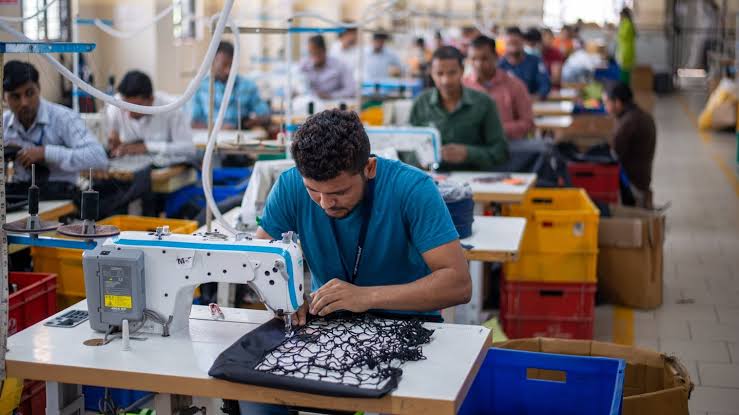
Walk into a garment factory in Tirupur or Surat, and the scene looks genuinely impressive, machines humming non-stop, stacks of fabric waiting to be cut, dozens of workers moving with practiced efficiency. It genuinely looks like a money-making operation. Here’s the honest truth that catches many new entrants off guard: not all that visible activity translates into actual profit. Traditional, mass-market garment manufacturing in India genuinely operates on razor-thin margins, often just 3% to 5%, a figure that surprises people who assume India’s massive textile heritage automatically guarantees strong returns.
Here’s why understanding this distinction genuinely matters before you commit capital to this business: garment manufacturing in India isn’t one uniform opportunity, it’s a spectrum ranging from brutally competitive commodity production to genuinely lucrative niche segments commanding margins ten times higher. Knowing exactly where on this spectrum you’re positioning your business determines whether you build something sustainable or join the countless mass-market manufacturers fighting for survival on wafer-thin margins.
Why Mass-Market Manufacturing Genuinely Struggles With Thin Margins
This deserves honest treatment upfront, since so much generic advice glosses over it. Basic, mass-produced garments genuinely compete purely on price against an enormous field of manufacturers, both domestic and international, all capable of producing similar quality at similar cost. This intense competition genuinely compresses margins toward that razor-thin 3% to 5% range, meaning survival at this level depends almost entirely on massive volume and relentless operational efficiency rather than any genuine pricing power.
Larger, well-capitalised garment manufacturing plants do genuinely achieve stronger gross margins, typically 25% to 35%, but this figure reflects economies of scale, capital-intensive facilities producing enormous volumes, rather than what a smaller, newer entrant can realistically expect. Break-even for these larger operations typically takes 3 to 5 years, a timeline that genuinely demands patient capital and consistent order flow rather than quick returns.
Where the Genuine Profit Actually Lives
This is genuinely the most important insight for anyone considering this business in 2026. Sectors like technical textiles, sustainable fabrics, and premium handloom deliver considerably stronger profits, ranging from 15% to 40%, precisely because they involve genuine value addition and face considerably reduced competition compared to commodity apparel production.
Within small-scale garment manufacturing specifically, the same pattern genuinely repeats itself at a smaller scale. Basic items like t-shirts or leggings typically yield 25% to 30% margins, while more elaborate products, embroidered kurtis, jackets, detailed handwork pieces, genuinely command 40% to 50% margins. This isn’t a minor difference, it’s genuinely the distinction between a business that barely survives on volume and one that builds real, sustainable profitability through craftsmanship and design rather than pure production capacity.
Why Premium Handloom Genuinely Offers the Best Low-Investment Entry Point
If you’re starting with modest capital rather than the significant investment mass-market manufacturing demands, premium handloom or artisanal branding genuinely represents the smartest entry point. Collaborating directly with local weavers and selling through online direct-to-consumer channels genuinely minimises the upfront machinery costs that commodity manufacturing requires, while leveraging craftsmanship that mass-market competitors simply cannot replicate at any price.
This approach genuinely lets you capture considerably higher margins through direct sales rather than competing purely on production cost, since customers buying handloom and artisanal apparel are genuinely paying for authenticity and craft heritage, not just fabric and stitching. For entrepreneurs without significant capital to invest in factory infrastructure, this route genuinely offers the strongest path to meaningful profitability without needing to compete in the commodity segment at all.
Why Vertical Integration Genuinely Protects Margins at Scale
Looking at India’s genuinely successful garment brands reveals a consistent pattern worth understanding. Companies that own every link in their production chain, from fabric sourcing through final retail sale, genuinely capture more value at each stage rather than surrendering margin to intermediaries at every handoff. This vertical integration also genuinely enables precise inventory control, minimising the markdowns and overstock losses that erode profitability for manufacturers dependent purely on wholesale distribution.
Brands that have built strong retail experiences, loyalty programmes, and physical stores alongside their manufacturing operations genuinely keep customers returning rather than competing purely on one-time transactional sales, precisely the dynamic that separates India’s most profitable clothing companies from manufacturers stuck purely fulfilling wholesale orders at commodity pricing.
Why Export and Design-to-Delivery Services Genuinely Command Premium Rates
India’s position in global apparel manufacturing has genuinely strengthened by 2026, and manufacturers specifically offering design-to-delivery, OEM and ODM, solutions genuinely attract higher-margin direct-to-consumer and startup brand clients, positioning themselves as genuine growth partners rather than simple production vendors. This shift matters because it moves manufacturers away from competing purely on lowest unit cost toward competing on design capability, flexibility, and quality execution.
India isn’t always the cheapest sourcing destination globally, but for brands genuinely prioritising quality, craftsmanship, and design flexibility, Indian manufacturers offering this comprehensive service genuinely deliver a value-to-cost ratio that considerably outweighs marginal price differences from cheaper alternatives, exactly the positioning that lets manufacturers escape the brutal commodity price war entirely.
Frequently Asked Questions
Q1. Is it genuinely worth entering mass-market garment manufacturing given how thin the margins are?
Generally not for new, smaller entrants, mass-market manufacturing genuinely requires substantial capital and massive volume to survive on 3-5% margins, making it considerably more viable for well-established, large-scale operations than first-time entrepreneurs with limited capital.
Q2. Which garment manufacturing niche genuinely offers the best entry point for someone with modest capital?
Premium handloom and artisanal apparel, built through direct partnerships with local weavers and sold via online D2C channels, genuinely offers the strongest low-investment entry point, since it captures considerably higher margins through craftsmanship and authenticity rather than requiring expensive factory machinery.
Q3. How long does it genuinely take for a garment manufacturing business to become profitable in India?
This varies enormously by scale and segment, larger commodity manufacturing plants typically take 3 to 5 years to break even, while smaller, niche-focused operations selling directly to consumers can potentially reach profitability considerably faster given lower upfront capital requirements and stronger per-unit margins.
Q4. Does exporting genuinely offer better margins than selling purely within the domestic Indian market?
Often yes, particularly for manufacturers offering design-to-delivery services to international brands, since export relationships and dollar-based revenue genuinely provide margin stability against domestic market fluctuations, though this route typically requires stronger quality standards and more sophisticated production capability than purely domestic wholesale supply.