Wayanad District, Kerala: Top Attractions, History, Temples, Weather & Things to Do
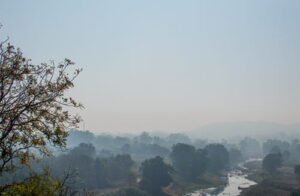
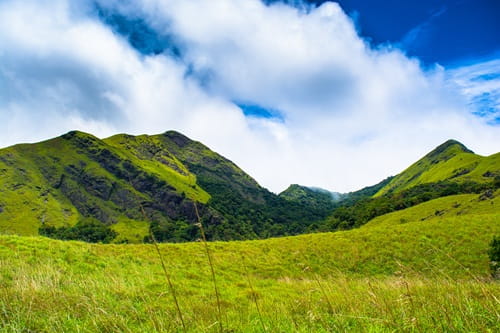
Wayanad sits in the northeastern highlands of Kerala, its name derived from “Vayal Nadu” — “the land of paddy fields” — describing a breathtaking high-altitude plateau draped in misty hills, emerald forests, and serene valleys along the Western Ghats. Often called the “Ooty of Kerala” for its cool climate and sprawling tea and coffee estates, Wayanad’s terrain compresses an extraordinary range of experiences into a single district: prehistoric rock engravings dating to 6000 BCE, India’s largest earthen dam, ancient Jain temple ruins repurposed as Tipu Sultan’s weapons depot, and a thriving Adivasi tribal culture that has inhabited these forests for over 3,000 years.
Wayanad is Kerala’s 12th district, formed on 1 November 1980 with Kalpetta as its headquarters, bordering both Karnataka and Tamil Nadu. The lifeline river is the Kabini (Kabani), and forests cover roughly 38 percent of the district’s 2,131 sq km. From the Stone Age carvings at Edakkal Caves to the 1,000-year-old Thirunelli Temple — referred to as the “Kashi of the South” — Wayanad offers one of South India’s most complete blends of deep history, dramatic Western Ghats geography, and living indigenous culture.
Wayanad District, Kerala — Quick Overview
| Feature | Details |
| State | Kerala |
| District Headquarters | Kalpetta |
| District Formed | 1 November 1980 (Kerala’s 12th district) |
| Area | 2,131 sq km (38% forest cover) |
| Name Meaning | “Vayal Nadu” — land of paddy fields |
| Famous For | Edakkal Caves, Chembra Peak, Banasura Sagar Dam, Thirunelli Temple, Kuruva Island |
| Key River | Kabini (Kabani) |
| Borders | Karnataka (N, E); Tamil Nadu (E); Kozhikode & Malappuram, Kerala (S, W) |
| Tribal Communities | Paniyas, Kurichiyas, Adiyas, Kurumas, Kattunayakans |
| Nearest Airport | Kannur International Airport; Calicut Airport |
| Best Time to Visit | October to February (peak); year-round destination |
| Winter Temperature | 10°C – 25°C |
| Summer Temperature | 20°C – 35°C |
History of Wayanad District
1. Ancient and Prehistoric Heritage
Wayanad’s human history reaches back to the Paleolithic civilisation, approximately 800 years before recorded history, with archaeological evidence proving the district’s forests have been continuously inhabited for more than 3,000 years. The Edakkal Caves themselves contain Neolithic and Mesolithic age engravings, some believed to have links to the Indus Valley Civilisation — a connection that places Wayanad within the broader narrative of South Asia’s earliest urban and artistic traditions.
2. Successive Dynasties — Kutumbiyas to Vijayanagara
Across the centuries, Wayanad came under the rule of several dynasties, including the Kutumbiyas, the Kadambas, the Hoysalas, and ultimately the Vijayanagara Empire. Among all the important local rulers, Pazhassi Raja of ancient Kottayam emerged as the most powerful figure in Wayanad’s history, leading sustained resistance before eventually losing his kingdom to Tipu Sultan.
3. Tipu Sultan and the Bathery Jain Temple’s Transformation
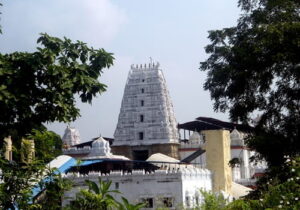
During Tipu Sultan’s rule, Wayanad flourished and grew significantly. The historic Bathery Jain Temple — dating to the 13th century and constructed in the dominant Vijayanagara Dynasty architectural style — illustrates this period’s complexity: originally built as a shrine, the temple later became a significant commercial hub before Tipu Sultan, in the 18th century, repurposed it as a depot for storing weapons, giving Sulthan Bathery town (named after this very “battery” use) its modern identity.
4. British Annexation and the Plantation Economy
In 1799, the British East India Company took control of Wayanad, encouraging wealthy crop production across the district’s fertile soils. Over subsequent decades, tea, coffee, and spices were systematically cultivated, establishing the plantation economy that continues to define much of Wayanad’s landscape and livelihood today, including the district’s long-standing tradition of cultivating Robusta coffee grown under the shade of evergreen forests at altitudes of 700–2,100 metres.
5. Pazhassi Raja and the Kurichiya Resistance
The Kurichiyas, traditionally a warrior tribe within Wayanad’s Adivasi community, played a historically significant role in local resistance movements, including Pazhassi Raja’s sustained fight against British colonial rule — a chapter of indigenous-led resistance that remains central to Wayanad’s cultural memory and is documented at the Wayanad Heritage Museum today.
Top Attractions in Wayanad District
1. Edakkal Caves
Located on Ambukuthi Hills approximately 25 km from Wayanad town and 10 km from Sulthan Bathery, Edakkal Caves stand 1,200 feet above sea level and are considered one of the earliest centres of human habitation in the region. Despite the name, this isn’t technically a cave but a natural rock shelter formed when a massive boulder wedged itself between two other boulders — “Edakkal” literally means “stone in between” in Malayalam. A trek up approximately 300 steps takes visitors to the site, where engravings of animals, humans, day-to-day occurrences, and inscriptions in Tamil and Brahmi script — some attributed to late Stone Age traditions and dating as far back as 6000 BCE — cover the rock surfaces. Only around 400 of these engravings have been successfully identified, with some believed to share links to the Indus Valley Civilisation. The “Muniyaras” (ancient burial sites) found nearby have yielded earthenware and tools now displayed at the Wayanad Heritage Museum.
2. Chembra Peak
Standing at approximately 2,100 metres, Chembra Peak is Wayanad’s highest point, part of the Wayanad hill range, and one of Kerala’s most rewarding trekking experiences. The peak is legendary for “Hridaya Saras” (Hridayathadakam) — a naturally formed Heart-Shaped Lake believed to have never dried up. The trek passes through lush tea estates and misty grasslands before delivering a 360-degree summit view stretching into neighbouring Karnataka and Tamil Nadu. Forest Office permission and an authorised guide are mandatory, with limited daily trek permits (entry fee approximately ₹750 for a group of up to 10 Indians, including guide; timings 7:00 AM to 12:00 PM) — booking early is essential, particularly on weekends and holidays.
3. Banasura Sagar Dam
Located approximately 21 km from Kalpetta, Banasura Sagar Dam — named after Banasura, son of the revered king Mahabali — is built on the Karamanathodu tributary of the Kabini River as part of the broader Banasura Sagar Project supporting the Kakkayam Hydro Electric Project. It is India’s largest earthen dam and the second-largest in Asia. The reservoir contains small islands formed when surrounding land was submerged, earning the title “Asia’s Largest Earthen Resort” from the BBC. With the Banasura Hills as a dramatic backdrop, the only way to explore the area is via speed and pedal boats, making it one of Wayanad’s most photographed destinations.
4. Sree Thirunelli Mahavishnu Temple
Set amid the Brahmagiri Hills and dedicated to Lord Vishnu, the ancient Thirunelli Temple is often referred to as the “Kashi of the South.” The Kerala-style architecture, combined with the Panchatheertham pond bearing Vishnu’s footprints, creates a profoundly spiritual atmosphere amid lush forest surrounding the sacred Papanasini River — taking a purifying bath in this river before visiting the temple is considered especially auspicious by devotees. The drive through dense forest to reach the temple is itself considered one of Wayanad’s most beautiful journeys.
5. Kuruva Island
A protected river delta comprising numerous small islands in the middle of the Kabini River, Kuruva Island spans approximately 950 acres of evergreen forest and is accessible only by boat, raft, or fibre boat arranged through the Kerala Tourism Department. The island hosts a rich diversity of birds, orchids, and herbs, with bamboo rafting being one of the most popular ways for visitors to experience this pristine ecosystem away from city pollution and noise.
6. Pookode Lake
Located 3 km from Vythiri town and 15 km from Kalpetta, Pookode is a 13-acre freshwater lake notable for its shape, which curiously resembles the map of India. Surrounded by mountains, forests, and greenery, the lake offers boating, a children’s park, and a freshwater aquarium, making it one of Wayanad’s most family-friendly attractions.
7. Wayanad Wildlife Sanctuary (Muthanga)
Spread over approximately 344-345 sq km and located 16 km from Sulthan Bathery, the Wayanad Wildlife Sanctuary (popularly called Muthanga) connects Nagarhole and Bandipur parks in Karnataka with Mudumalai in Tamil Nadu, forming a critical wildlife corridor. Established as a sanctuary in 1973 and brought under Project Elephant in 1991-92, the reserve hosts Asiatic elephants, leopards, bears, gaurs, and abundant birdlife, with jeep safaris offering close encounters with this dense Western Ghats ecosystem.
8. Soochipara Falls (Sentinel Rock Waterfall)
Meaning “needle rock” in Malayalam, Soochipara is a three-tiered waterfall located in Vellarimala, considered Kerala’s second-highest waterfall and one of the district’s most popular natural attractions, particularly rewarding during and just after the monsoon season.
Temples and Religious Sites of Wayanad District
| Temple | Location | Deity | Key Feature |
| Sree Thirunelli Mahavishnu Temple | Brahmagiri Hills | Lord Vishnu | “Kashi of the South”; sacred Papanasini River; Panchatheertham pond |
| Bathery Jain Temple | Sulthan Bathery town centre | Jain Tirthankaras | 13th-century; later used as Tipu Sultan’s weapons depot |
| Pallikkunnu Church | Wayanad district | Our Lady of Lourdes | Prominent pilgrimage site with serene ambiance |
| Puthungadi Temple | Wayanad district | Hindu tradition | Exquisitely carved pillars; fresco paintings |
| Lhagyala Gompa | Morshing area (border region) | Tibetan Buddhist | Reflects broader Western Ghats-Himalaya cultural diversity in region |
Adivasi Tribal Heritage of Wayanad
Wayanad’s Adivasi community comprises several indigenous tribes maintaining distinct cultural and social identities across centuries. The Paniyas, one of the largest tribal groups, are known for their expertise in agriculture and forest-related activities. The Kurichiyas, traditionally a warrior tribe, historically played significant roles in resistance movements including Pazhassi Raja’s fight against British rule. The Adiyas serve primarily as agricultural labourers, the Kurumas are skilled in farming and cattle rearing, and the Kattunayakans, traditionally hunter-gatherers, possess deep knowledge of the forest and its resources. The Wayanad Heritage Museum offers exhibits of traditional artifacts, tools, and handicrafts documenting these communities’ lives, while community-based tourism initiatives allow visitors to engage respectfully with tribal villages and gain deeper understanding of their harmonious relationship with nature.
Weather in Wayanad District
October to February — Peak Season: Temperatures range from 10°C to 25°C, with cool, dry weather ideal for trekking, safaris, and outdoor sightseeing — the most comfortable and most crowded period.
March to May — Summer: While the rest of India heats up, Wayanad remains relatively pleasant at 20°C-35°C given its elevated Western Ghats position, offering a viable alternative season for visitors seeking fewer crowds.
June to September — Monsoon: Significant rainfall brings the district’s waterfalls to full force and intensifies its lush greenery, though trekking permits and routes can be affected by weather conditions; the Wayanad Wildlife Sanctuary remains closed from February until May regardless of season for conservation reasons.
Things to Do in Wayanad District (2026)
Trek Chembra Peak to the Heart-Shaped Lake — Arrange Forest Office permission and an authorised guide well in advance; arrive early as daily permits are limited.
Climb to Edakkal Caves’ Ancient Engravings — Take the approximately 300-step trek (or shorter 45-minute hike via Ambukutty Mala) to view Neolithic and Mesolithic rock art up close.
Boat at Banasura Sagar Dam — Experience India’s largest earthen dam via speed or pedal boat, with the Banasura Hills providing a dramatic scenic backdrop.
Spiritual Visit to Thirunelli Temple — Combine the forest drive, a purifying dip in the Papanasini River, and darshan at this ancient Vishnu shrine for a complete devotional experience.
Bamboo Raft at Kuruva Island — Explore this protected river delta’s evergreen forest ecosystem via the Kerala Tourism Department’s arranged rafting facility.
Wildlife Safari at Muthanga Wildlife Sanctuary — Take a guided jeep safari through this critical Western Ghats wildlife corridor connecting three states’ protected forests.
Engage with Tribal Heritage at the Wayanad Heritage Museum — Gain deeper insight into the Paniya, Kurichiya, Adiya, Kuruma, and Kattunayakan communities’ traditions, artifacts, and history.
How to Reach Wayanad District
By Air: Kannur International Airport and Calicut (Karipur) Airport are the nearest air connections.
By Road: Wayanad is well connected to cities in Kerala, Karnataka, and Tamil Nadu, with the Kozhikode-Mysore highway being a popular entry route. State transport buses, private buses, taxis, and self-drive options provide convenient access from Bengaluru, Mysuru, Kochi, Kozhikode, and Coimbatore, passing through scenic forested and hilly stretches including the famous Thamarassery Ghat with its nine hairpin bends.
By Train: The nearest major railway stations are in Kozhikode and Mysuru, with road transfer required for the final stretch into Wayanad.
Conclusion
Wayanad delivers a genuinely complete Western Ghats experience — 6,000-year-old rock engravings at Edakkal, India’s largest earthen dam at Banasura Sagar, the spiritual depth of Thirunelli’s “Kashi of the South,” and a living Adivasi tribal culture spanning the Paniya, Kurichiya, Adiya, Kuruma, and Kattunayakan communities. Whether the draw is Chembra Peak’s heart-shaped lake, bamboo rafting at Kuruva Island, or simply the cool relief of Kerala’s “Ooty,” Wayanad in 2026 continues to reward travellers with a rare combination of deep history, dramatic natural beauty, and genuine cultural authenticity.
FAQs About Wayanad District, Kerala
Q1. What is Wayanad district famous for?
A: Wayanad is famous for the prehistoric Edakkal Caves (rock engravings dating to 6000 BCE), Chembra Peak with its heart-shaped lake, Banasura Sagar Dam (India’s largest earthen dam), the ancient Thirunelli Temple (“Kashi of the South”), Kuruva Island, and its rich Adivasi tribal heritage.
Q2. What is the significance of the Edakkal Caves?
A: Edakkal Caves, on Ambukuthi Hills, are not technically caves but a natural rock shelter formed by a wedged boulder. They contain Neolithic and Mesolithic age engravings depicting humans, animals, and inscriptions in Tamil and Brahmi script, dating as far back as 6000 BCE, with some carvings believed to share links to the Indus Valley Civilisation.
Q3. What tribal communities live in Wayanad?
A: Wayanad’s Adivasi community includes the Paniyas (largest group, known for agriculture), Kurichiyas (traditionally warriors who resisted British rule alongside Pazhassi Raja), Adiyas (agricultural labourers), Kurumas (farming and cattle rearing), and Kattunayakans (traditional hunter-gatherers with deep forest knowledge).
Q4. How did the Bathery Jain Temple come to be associated with Tipu Sultan?
A: The 13th-century Bathery Jain Temple in Sulthan Bathery town began as a Jain shrine, later became a significant commercial hub, and in the 18th century was repurposed by Tipu Sultan as a depot for storing weapons — giving the town its modern name, “Sulthan Bathery” (battery referring to the weapons store).
Q5. When is the best time to visit Wayanad?
A: October to February is peak season, offering cool, dry weather (10°C-25°C) ideal for trekking and sightseeing. Wayanad remains relatively pleasant year-round (20°C-35°C in summer) compared to the plains, making it a genuinely flexible destination, though the Wayanad Wildlife Sanctuary closes from February to May for conservation purposes.