Tirupattur District, Tamil Nadu: Top Attractions, History, Temples, Weather & Things to Do
Tirupattur is one of Tamil Nadu’s most historically venerable towns, with inscriptions surveyed by the Archaeological Survey of India confirming a continuous settlement history of more than 1,600 years. Known affectionately as the “Sandalwood City” or “Sandal Kingdom” for the abundance of fine sandalwood trees growing in the surrounding hills, Tirupattur was formally established as the headquarters of Tamil Nadu’s newest district through the trifurcation of Vellore district on 15 August 2019, alongside the simultaneous creation of Ranipet district.
The town’s name itself tells a story — research suggests “Tirupathur” derives from the existence of ten temples spread across eight directions, stretching from Adiyur (the beginning) to Kodiyur (the ending), with the literal meaning of “Tirupathur” translating to “Ten Towns.” Across successive dynasties — the Cholas, Vijayanagara rulers, and Hoysalas — the town was variously known as Sri Mathava Chaturvedi Mangalam, Veera Narayana Chaturvedi Mangalam, Tiruperur, Brahmapuram, and Thiruvanapuram, before the Vijayanagara kings settled on the name Tirupathur in the 14th century. Today the district is most famous for Yelagiri Hills — affectionately called the “Poor Man’s Ooty” — alongside Javadhu Hills, the historic Brahmapureeswarar Temple, and the country’s first British Collector’s Office, now repurposed as a railway station.
Tirupattur District, Tamil Nadu — Quick Overview
| Feature | Details |
| State | Tamil Nadu |
| District Headquarters | Tirupattur town |
| District Formed | 15 August 2019 (trifurcation of Vellore district) |
| Nickname | “Sandalwood City” / “Sandal Kingdom” |
| Settlement Age | 1,600+ years (per ASI inscriptions) |
| Famous For | Yelagiri Hills (“Poor Man’s Ooty”), Javadhu Hills, Brahmapureeswarar Temple, Jalagamparai Falls |
| Borders | Vellore (E); Krishnagiri (W); Tiruvannamalai (S); Chittoor district, Andhra Pradesh (N) |
| Key Rivers (Javadhu Hills origin) | Cheyyar, Araniyar, Kamandala Naganathi, Mrikanda |
| Historic Distinction | India’s first British Collector’s Office (Colonel Alexander Read, 1792) |
| Nearest Airport | Bengaluru International Airport (~130-135 km) |
| Railway Station | Tirupattur Junction; Jolarpettai Junction (~8 km, major railhead) |
| Best Time to Visit | November to March |
| Distance from Chennai | ~210-225 km |
History of Tirupattur District
1. Ancient Dynastic Naming — Over 1,600 Years of Settlement
Through inscriptions surveyed by the Archaeological Survey of India, Tirupattur is estimated to be more than 1,600 years old. Under successive ruling powers — the Cholas, the Vijayanagara Dynasty, and the Hoysalas — the town carried a succession of different names: Sri Mathava Chaturvedi Mangalam, Veera Narayana Chaturvedi Mangalam, Tiruperur, and Brahmapuram (also called Brahmeeswaram). The historic “Tiruperur,” also known as “Sri Madhava Chaturvedi Mangalam,” fell within “Eyyil Nadu,” a subdivision of “Nigarili Chola Mandalam” within the broader Chola Empire’s administrative structure. It was the Vijayanagara kings in the 14th century who changed the name from Thiruvanapuram to Tirupathur, establishing the modern toponym.
2. The Ten Temples Legend
Research suggests the name “Tirupathur” derives from the historical existence of ten temples spread across eight directions, extending from Adiyur (meaning “beginning”) to Kodiyur (meaning “ending”) — giving the town’s name its literal translation as “Ten Towns.” This naming tradition reflects Tirupattur’s deep historical role as a significant temple town and pilgrimage centre across multiple successive dynasties.
3. The Ancient Fort and Kottai Darwaja
A fort existed in the eastern part of Tirupattur town approximately 800 years ago, with its entrance believed to have been located near the present-day Kottai Darwaja Sri Veera Anjaneyar Temple — the word “Kottai” meaning “Fort” in Tamil, and “Darwaja” meaning “Gate” or “Door” in Hindi/Urdu, a linguistic blend that itself reflects the layered cultural influences that shaped this border-region town.
4. British Colonial Administration — India’s First Collector’s Office
Tirupattur holds a unique distinction in Indian administrative history: Colonel Alexander Read, the first Collector of the district, established his headquarters in Tirupattur in 1792, making it home to what is recognised as the first Collector’s Office in India. The collector’s office building, constructed by the British, has since been repurposed and now functions as a railway station — a striking physical reminder of the town’s pioneering administrative role under colonial rule. Tirupattur subsequently became the capital of the united Salem district before later becoming part of Vellore district.
5. Modern District Formation — 2019
The Government of Tamil Nadu announced the creation of Tirupattur district, separated from Vellore district, on 15 August 2019, alongside the simultaneous formation of Ranipet district. Tirupattur town was designated as the headquarters of this newly formed district, marking the latest chapter in the region’s long and evolving administrative history.
Top Attractions in Tirupattur District
1. Yelagiri Hills — The Poor Man’s Ooty
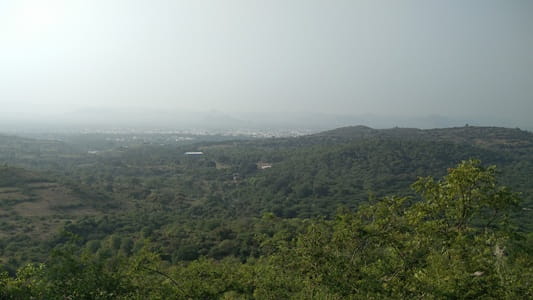
Part of the Jawadhu mountain range, Yelagiri Hills sits at an altitude of approximately 1,050-1,110 metres, spread across 30 sq km, and is affectionately nicknamed “Poor Man’s Ooty” for offering a similarly cool, scenic hill-station experience at a more accessible price point. Located 32 km from Jolarpettai, the hills are surrounded by orchards, rose gardens, and green valleys, with tribal communities continuing to inhabit many villages on the hill. The entire Yelagiri area was once the personal property of the Yelagiri Zamindar Family before being taken over by the Government of India in the early 1950s — the Zamindar residence still exists today in Reddiyur village.
Yelagiri offers an extensive range of attractions: Nilavoor Lake (an artificial lake offering pedal and motorboat rides amid hilly terrain and tranquil waters), Yelagiri Nature Park (a litter-free picnic spot with children’s areas, nursery, and rock garden), the Vainu Bappu Observatory at Kavalur (managed by the Indian Institute of Astrophysics, Bangalore, and home to Asia’s largest telescope, accessible only by prior permission), and a herbal park where visitors can purchase various types of herbs and herbal products.
2. Jalagamparai Waterfalls
Created by the Attaru River as it cascades down through the valleys of Yelagiri Hills, Jalagamparai Falls is located approximately 10-14 km from Tirupattur town and 40 minutes by drive from the district headquarters. The falls attract significant tourist traffic from both Bengaluru and Chennai, particularly on weekends, with most visitors preferring to walk or trek the approximately 5 km from the Yelagiri downhill area to reach the cascade.
3. Javadhu Hills
A mesmerising mountain range that thrills onlookers with scenic waterfalls, streams, and forests, Javadhu Hills gives rise to several significant rivers including the Cheyyar, Araniyar, Kamandala Naganathi, and Mrikanda. Most hill dwellers belong to the Malayali tribe, whose main occupation is agriculture, and the hills are renowned as some of the best sandalwood-growing land in the region — directly justifying Tirupattur’s “Sandalwood City” identity. Bhiman (Beeman) Falls and Amirthi Zoological Park are among the principal tourist attractions within Javadhu Hills.
4. Brahmapureeswarar Koil (Tirupattur)
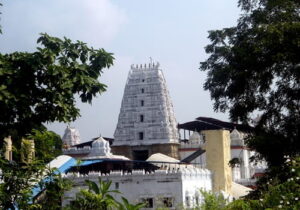
One of the rare temples in India where Lord Brahma has a separate dedicated shrine, the Tirupattur Brahmapureeswarar Koil carries a fascinating mythological backstory involving a dispute between Vishnu and Brahma over which deity was superior — a story directly connected to the broader Hindu tradition explaining why so few temples across India are dedicated specifically to Brahma.
5. Vainu Bappu Observatory
Situated in Kavalur, near Yelagiri, the Vainu Bappu Observatory (popularly called the Telescope Observatory) offers visitors a beautiful insight into the movement of the solar system’s celestial bodies. Managed by the Indian Institute of Astrophysics, Bangalore, the observatory is home to Asia’s largest telescope — though entry requires prior permission, making advance planning essential for astronomy enthusiasts.
6. Arulmigu Yelagiri Velavan Temple (Murugan Temple)
Located on Yelagiri Hills, this Murugan temple is one of the region’s principal religious sites, drawing devotees alongside visitors exploring the hill station’s broader natural and recreational attractions.
7. Moksha Vimochana Temple
Located near the well-known Nilavoor Lake, the Moksha Vimochana Temple is dedicated to Lord Vishnu, with its name translating to roughly “garner Moksha” (liberation). Local tradition holds that a devotee who prays at the temple for 42 consecutive days can be saved from all troubles. Open from 8:00 AM to 8:00 PM daily with free entry, the temple is known for its calm, elegant environment and its portrayal of local traditions that have coexisted in Yelagiri for generations.
Temples of Tirupattur District
| Temple | Location | Deity | Key Feature |
| Brahmapureeswarar Koil | Tirupattur town | Lord Brahma (rare separate shrine) | One of few Indian temples with a dedicated Brahma sanctum |
| Arulmigu Yelagiri Velavan Temple | Yelagiri Hills | Lord Murugan | Principal Yelagiri hill-station religious site |
| Kottai Darwaja Sri Veera Anjaneyar Temple | Tirupattur (near old fort site) | Lord Hanuman | Located at site of 800-year-old fort entrance |
| Moksha Vimochana Temple | Near Nilavoor Lake, Yelagiri | Lord Vishnu | 42-day prayer tradition for liberation from troubles |
Weather in Tirupattur District
November to March — Best Time: Pleasant, cool temperatures across both the plains town of Tirupattur and the elevated Yelagiri Hills make this period ideal for hill-station retreats, waterfall visits, and temple circuits.
Yelagiri Hills’ Cooler Climate: Given its elevation of approximately 1,050-1,110 metres, Yelagiri maintains a noticeably cooler climate than the surrounding plains year-round, making it a popular escape destination even during warmer months.
Monsoon Period: Rainfall feeds the rivers originating from Javadhu Hills (Cheyyar, Araniyar, Kamandala Naganathi, Mrikanda) and boosts the flow of Jalagamparai Falls, though the Attaru River feeding Yelagiri’s falls is noted to dry seasonally outside peak rainfall periods.
Things to Do in Tirupattur District (2026)
Drive Up to Yelagiri Hills — Spend a day or two exploring Nilavoor Lake boating, the Nature Park, and the herbal market, with the cooler hill climate offering genuine relief from the plains.
Trek to Jalagamparai Waterfalls — Walk the approximately 5 km trail from Yelagiri downhill to experience the Attaru River’s dramatic cascade through the valley.
Visit the Vainu Bappu Observatory — Arrange prior permission to tour Asia’s largest telescope facility at Kavalur, near Yelagiri, for a unique astronomy-focused excursion.
Explore Javadhu Hills’ Sandalwood Forests — Combine Bhiman Falls and Amirthi Zoological Park for a nature-focused day trip into the district’s namesake sandalwood-growing terrain.
Brahmapureeswarar Koil Heritage Visit — Seek out one of India’s rare dedicated Brahma shrines and learn the mythological story behind the temple’s unusual significance.
42-Day Devotional Pilgrimage at Moksha Vimochana Temple — For devotees seeking the temple’s traditional liberation practice, this Yelagiri-area Vishnu shrine offers a distinctive spiritual commitment opportunity.
How to Reach Tirupattur District
By Air: Bengaluru International Airport is the nearest, approximately 130-135 km away; Chennai International Airport is approximately 210-225 km.
By Train: Tirupattur Railway Station, under Southern Railways administration, is approximately 2 km from the bus stand. Jolarpettai Junction (8 km north) is a major railway junction; Samalpatti lies to the southwest. Due to proximity to Jolarpet Junction, only select express trains halt directly at Tirupattur.
By Road: NH 46 from Chennai to Krishnagiri (via Natrampalli) passes through the town’s outskirts. Tirupattur is approximately 87 km from Vellore, 108 km from Salem, 130 km from Bengaluru, and 225 km from Chennai.
Conclusion
Tirupattur district compresses over 1,600 years of South Indian dynastic history — Chola, Vijayanagara, and Hoysala naming traditions, a “Ten Towns” temple legacy, and India’s pioneering first Collector’s Office — into a compact, recently formed administrative territory anchored by the genuinely beloved Yelagiri Hills hill station. For travellers seeking an accessible, affordable alternative to Ooty’s crowds, combined with deep historical texture and the rare devotional significance of a dedicated Brahma temple, Tirupattur’s “Sandalwood City” identity delivers a uniquely layered Tamil Nadu travel experience.
FAQs About Tirupattur District, Tamil Nadu
Q1. What is Tirupattur district famous for?
A: Tirupattur is famous as the “Sandalwood City” for its abundant sandalwood forests, and for Yelagiri Hills — known as the “Poor Man’s Ooty” — alongside Javadhu Hills, the rare Brahmapureeswarar Koil (one of few Indian temples with a dedicated Brahma shrine), and Jalagamparai Waterfalls.
Q2. When was Tirupattur district formed?
A: Tirupattur district was formed on 15 August 2019 through the trifurcation of Vellore district, alongside the simultaneous creation of Ranipet district. Tirupattur town was designated as the new district’s headquarters.
Q3. Why is Tirupattur called the “Sandalwood City”?
A: Tirupattur is known for its rich reservoir of quality sandalwood trees growing in the surrounding hills, particularly Javadhu Hills, which is recognised as one of the best sandalwood-growing lands in the region — directly giving the town its “Sandalwood City” or “Sandal Kingdom” nickname.
Q4. What is unique about the Brahmapureeswarar Koil in Tirupattur?
A: The Brahmapureeswarar Koil is one of the rare temples in India where Lord Brahma has a separate, dedicated shrine. This is significant because very few temples across India are dedicated specifically to Brahma, with mythological tradition explaining this through a story involving a dispute between Vishnu and Brahma over superiority.
Q5. What is the historical significance of Tirupattur’s Collector’s Office?
A: Colonel Alexander Read, the first Collector of the historic district, established his headquarters in Tirupattur in 1792, making it home to what is recognised as India’s first Collector’s Office. The original British-built office building has since been converted into a railway station, serving as a tangible reminder of the town’s pioneering colonial-era administrative significance.