Palghar District, Maharashtra: Top Attractions, History, Temples, Weather & Things to Do
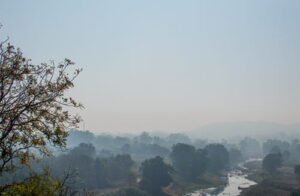
Palghar district occupies Maharashtra’s northernmost Konkan coastline, carved out of Thane district on 1 August 2014 as the state’s 36th district after a struggle for bifurcation that lasted nearly 25 years. Strategically positioned within the Mumbai Metropolitan Region yet retaining its own distinct coastal, hilly, and tribal character, Palghar offers three complete landscapes within a single district — urban (Nagari), coastal (Sagari), and mountainous-hilly (Dongari) terrain — making it one of Maharashtra’s most geographically diverse destinations.
The district’s fortified coastline tells a layered story of Portuguese, Maratha, Mughal, and British conflict — from Vasai Fort (historic Bassein), once the Portuguese headquarters in the north second only to Goa, captured by Maratha commander Chimaji Appa in 1739, to Tarapur Fort, gifted by the Peshwas and still held by descendants of its original recipient. Beyond this military heritage, Palghar is internationally celebrated as the birthplace of Warli art — a tribal painting tradition dating back 2,500-3,000 years — and offers the sacred Maa Jivdani Temple on its 1,375-step hilltop, Dahanu’s chikoo orchards, and Jawhar, affectionately called the “Mahabaleshwar of Palghar District.”
Palghar District, Maharashtra — Quick Overview
| Feature | Details |
| State | Maharashtra |
| Region | Konkan Division |
| District Headquarters | Palghar town |
| District Formed | 1 August 2014 (36th district, carved from Thane) |
| Major Towns | Vasai-Virar, Talasari, Jawhar, Dahanu, Boisar |
| Famous For | Maa Jivdani Temple, Vasai (Bassein) Fort, Warli Art, Tarapur Fort, Jawhar Hill Station |
| Talukas | Palghar, Vada, Vikramgad, Jawhar, Mokhada, Dahanu, Talasari, Vasai |
| Annual Rainfall | ~3,000 mm (among Maharashtra’s highest) |
| Tribal Communities | Warli, Koli, Agri, Katkari, Malhar Koli, Vanjari |
| Nearest Airport | Mumbai (Chhatrapati Shivaji Maharaj International Airport) |
| Best Time to Visit | October to March |
| Temperature Range | 15°C – 30°C |
History of Palghar District
1. Portuguese Bassein and Maratha Conquest
The Vasai taluka of Palghar district — historically known as Bassein — was once under the dominion of the Portuguese Empire, serving as a strategic and cultural hub second only to Goa among the Portuguese strongholds in northern India. Vasai Fort, the coastal land-fort surrounded by sea on three sides with a moat filled by seawater on the landward side, featured a 4.5 km long stone wall with 11 bastions, two gates, and a small citadel equipped with water tanks, storehouses, and an armoury. Vasai functioned as the Portuguese’s main naval base and shipbuilding centre in the region. In 1739, Maratha military commander Chimaji Appa captured Vasai Fort, marking a decisive turning point in the Maratha-Portuguese conflicts and the broader decline of Portuguese power along this stretch of the Konkan coast. The Vasai taluka’s roughly nine large churches, built around 1564 CE, remain a significant Portuguese cultural legacy and tourist attraction today.
2. Tarapur Fort’s Peshwa Gift
Tarapur Fort, complete with wells and gardens within its walls, was gifted by the Peshwas to Vikaji Mehrji for a hundred years and remains, remarkably, still held by his heirs today, currently in the custody of the Chorge family. The fort bears the marks of a Maratha attack led by Chimnaji Apa, who successfully breached its bastion and curtain walls using four mines, two of which created significant damage. Within the fort, remnants of a church, a Dominican monastery, two granaries, a guard room, and several wells containing abundant clean water testify to its former self-sufficiency as a fortified settlement.
3. District Formation Struggle (1990-2014)
Palghar’s creation as an independent district followed a 25-year struggle for bifurcation from Thane district. The Cabinet of Maharashtra approved the new district’s creation on 13 June 2014, and Palghar officially came into existence on 1 August 2014 as the state’s 36th district, comprising the talukas of Palghar, Vada, Vikramgad, Jawhar, Mokhada, Dahanu, Talasari, and Vasai.
4. Warli Art — An Ancient Tribal Tradition
Palghar is recognised as the birthplace of the internationally celebrated Warli art form, dating back 2,500-3,000 years (some sources cite over a millennium). This tribal painting tradition uses simple geometric shapes and eco-friendly materials to narrate stories of everyday life, nature, and mythology, practised by the Warli (Adivasi) community who remain one of the district’s predominant tribal groups alongside the Kunbi, Mangela, Vaity, Macchimar, Bhandari, Katkari, Malhar Koli, Vanjari, Vadval, and Mali (Sorathi) communities.
Top Attractions in Palghar District
1. Maa Jivdani Temple
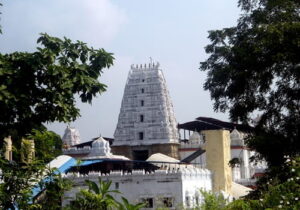
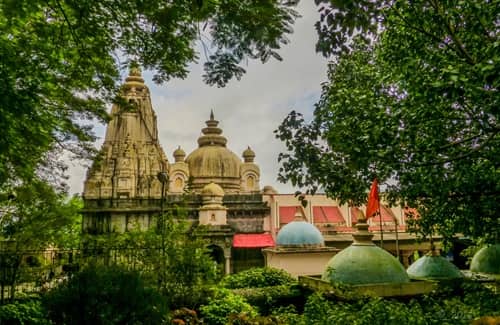
Located on Jivdani Hill in Virar, Maa Jivdani Temple is the only temple in the country dedicated specifically to Goddess Jivdani, an incarnation of Goddess Adi Shakti. Situated approximately 1,375 steps above ground level in the eastern part of the city, this 150-year-old to 300-year-old temple (sources vary on exact age) attracts thousands of devotees, particularly on Sundays and during festivals, with the Papadkhandi Dam at the temple’s foothills serving as a major historic source of fresh water for the region. The trek to the temple passes through jungle, crossing small streams, with snacks, refreshments, and toilet facilities available near the summit.
2. Vasai (Bassein) Fort
Located approximately 45 km from Palghar City in Vasai taluka, the old city’s fort served as the Portuguese headquarters in the north, second in importance only to Goa. The rectangular fort, almost completely surrounded by water, houses multiple temples within its walls — including Tryambakeshwar, Bhavani Mata, Kalika Mata, and Mahadev shrines. Three entrances provide access, with one northern entrance flanked by substantial bastions on both sides. The fort’s historical and architectural significance, combined with its dramatic coastal setting, makes it one of Palghar’s most essential heritage destinations.
3. Tarapur Fort
Currently maintained by the Chorge family, Tarapur Fort in Boisar village retains wells, gardens, and historical remnants of a church and monastery within its walls, alongside visible marks of the 1739 Maratha attack led by Chimnaji Apa. The nearby Chinchani Beach, just 1.5 km north of the fort, offers an additional scenic stop for visitors exploring this historic site.
4. Kelva Fort
Built by the Portuguese, Kelva Fort stands near Kelva Beach and Kelva Lake, and was once used by Chhatrapati Shivaji Maharaj himself. Completely surrounded by water, the fort offers stunning panoramic views of the surrounding natural landscape, making it equally appealing to history enthusiasts and nature lovers.
5. Jawhar — “Mahabaleshwar of Palghar District”
A small hill station situated on a plateau of the Sahyadris between rift valleys, Jawhar lies approximately 42 km from Palghar district headquarters. Often called the “Mahabaleshwar of Palghar District,” Jawhar offers exotic valleys, thick rich forests, and a pleasant climate, with monsoon being the recommended season when thick fog envelops the village and surrounding hills. As one of Maharashtra’s few tribal kingdoms, Jawhar offers a unique opportunity to engage with the tribal way of life, and is particularly popular for its lively Warli paintings alongside unspoiled, mostly unexplored waterfalls.
6. Tungareshwar Temple and Wildlife Sanctuary
An ancient Hindu temple dedicated to Lord Shiva, nestled amid the serene Tungareshwar hills in Vasai, the temple is believed to have been built by the Pandavas and is revered for its powerful energy and divine ambiance. Surrounded by the lush green Tungareshwar Wildlife Sanctuary, the site offers a perfect destination for both nature lovers and spiritual seekers.
7. Dahanu Beach and Chikoo Orchards
A tranquil, clean-sand beach in the coastal town of Dahanu, the beach offers calm waters and lush green surroundings ideal for relaxation and family outings. Dahanu is additionally famous for its vast chikoo (sapodilla) fruit orchards, distributed across all of Palghar district, with the gentle coastal breeze cooling the area even during warmer months.
8. Udvada — Mecca of the Zoroastrians
A place of profound religious significance for the global Zoroastrian community, Udvada houses a magnificent temple containing the sacred fire of the Zoroastrians, believed to have been kept continuously burning for almost a thousand years. The strong existence of Iranian and Persian culture in this small coastal town makes it one of the most exotic and historically unique pilgrimage destinations in all of Maharashtra.
9. Kelva, Shirgaon, and Rajodi Beaches
Palghar’s coastline offers a string of beautiful, comparatively uncrowded beaches. Shirgaon Beach features clean white sand and an approach road through a maintained Casuarina garden, with the historic Shitaladevi Temple nearby. Kelva Beach (Kelwa) is pristine and tranquil, while Rajodi Beach near Nala Sopara offers a scenic palm-tree-lined road perfect for walking, jogging, or cycling along the Arabian Sea shoreline.
10. Kaldurga Fort
At an elevation of 1,550 feet, Kaldurga Fort is uniquely shaped like a rectangle and surrounded by dense forest, divided into two sections — one above and one below a prominent rock formation. The area is home to tribal communities, adding cultural significance to its natural and historical appeal, with monsoon being the most popular and recommended trekking season, despite slippery conditions requiring caution.
Temples of Palghar District
| Temple | Location | Deity | Key Feature |
| Maa Jivdani Temple | Jivdani Hill, Virar | Goddess Jivdani (Adi Shakti) | Only temple dedicated to this deity; 1,375 steps |
| Tungareshwar Temple | Tungareshwar hills, Vasai | Lord Shiva | Believed built by Pandavas; within Wildlife Sanctuary |
| Shitaladevi Temple | Near Shirgaon Beach | Goddess Shitala | Historic beachside temple |
| Tryambakeshwar, Bhavani Mata & Kalika Mata Temples | Vasai Fort complex | Shiva, Bhavani, Kalika | Within historic fort walls |
| Zoroastrian Fire Temple | Udvada | Sacred Zoroastrian fire | Fire burning continuously ~1,000 years |
| Prati Shirdi (Sai Baba Mandir) | Shirgaon | Sai Baba | Replica of original Shirdi temple |
Weather in Palghar District
October to March — Best Time: Pleasant temperatures ranging 15°C-30°C make this the ideal window for exploring forts, beaches, and the Jivdani Temple trek without monsoon-related disruption.
Monsoon (June-September) — Best for Trekking: Palghar receives among the highest rainfall in Maharashtra, averaging approximately 3,000 mm annually. While summer treks to forts like Kaldurga and Takmak are discouraged, monsoon and immediate post-monsoon periods are specifically recommended for trekking enthusiasts, when the landscape transforms into lush green valleys with cascading streams — though slippery paths require caution and proper footwear.
Jawhar’s Monsoon Appeal: The hill station of Jawhar is specifically recommended during monsoon, when thick fog envelops the village and surrounding hills for a uniquely atmospheric experience.
Things to Do in Palghar District (2026)
Trek to Maa Jivdani Temple — Climb the 1,375 steps through jungle terrain to this unique Goddess Jivdani shrine, particularly active on Sundays and festival days.
Explore Vasai Fort’s Layered History — Walk through the former Portuguese headquarters’ ruins, examining the multiple temples and bastions within its sea-surrounded walls.
Monsoon Trek to Kaldurga or Takmak Fort — Time a post-monsoon visit for the district’s most rewarding fort treks, when waterfalls and greenery are at their peak.
Beach-Hopping Along the Coast — Combine Kelva, Shirgaon, Rajodi, and Dahanu beaches for a relaxed coastal day, sampling fresh seafood and chikoo fruit along the way.
Visit Jawhar for Warli Art and Hill Views — Explore this tribal hill station’s lively Warli paintings, unexplored waterfalls, and cool Sahyadri climate.
Pilgrimage to Udvada’s Zoroastrian Fire Temple — Experience one of India’s most unique religious heritage sites, where the sacred fire has burned for nearly a millennium.
How to Reach Palghar District
By Air: Chhatrapati Shivaji Maharaj International Airport, Mumbai, serves as the nearest major airport, with Palghar easily accessible by road or suburban rail from the city.
By Train: Palghar town sits on the Western Line of the Mumbai Suburban Railway, forming part of the bustling Mumbai-Ahmedabad rail corridor, with regular connectivity to Mumbai and Gujarat.
By Road: Palghar is well connected by road within the Mumbai Metropolitan Region, with key internal distances including Jawhar (75 km), Vikramgad (60 km), and Mokhada (112 km) from district headquarters.
Conclusion
Palghar district delivers Maharashtra’s northern Konkan coast at its most layered — Portuguese-Maratha fort warfare at Vasai and Tarapur, the singular Goddess Jivdani pilgrimage on its 1,375-step hilltop, millennia-old Warli tribal art, and a thousand-year sacred Zoroastrian flame at Udvada. Combined with Jawhar’s cool Sahyadri hill-station charm and a string of uncrowded Arabian Sea beaches, Palghar offers Mumbai-region travellers an exceptionally complete escape spanning history, spirituality, tribal culture, and coastal relaxation.
FAQs About Palghar District, Maharashtra
Q1. What is Palghar district famous for?
A: Palghar is famous for Maa Jivdani Temple (the only temple dedicated to Goddess Jivdani), Vasai (Bassein) Fort — the former Portuguese northern headquarters — Warli tribal art, Tarapur Fort, the hill station of Jawhar, and Udvada’s sacred Zoroastrian fire temple.
Q2. When was Palghar district formed and why?
A: Palghar district was carved out of Thane district on 1 August 2014, becoming Maharashtra’s 36th district after a struggle for bifurcation lasting nearly 25 years, with Cabinet approval granted on 13 June 2014.
Q3. What is the historical significance of Vasai (Bassein) Fort?
A: Vasai Fort served as the Portuguese headquarters in northern India, second in importance only to Goa. The coastal fort, surrounded by sea on three sides with an 11-bastion stone wall, was captured by Maratha commander Chimaji Appa in 1739 — a decisive event marking the decline of Portuguese power along the Konkan coast.
Q4. What makes Palghar significant for Warli art?
A: Palghar is recognised as the birthplace of Warli art, a tribal painting tradition dating back 2,500-3,000 years, practised by the Warli (Adivasi) community. This internationally celebrated art form uses simple geometric shapes and eco-friendly materials to depict everyday life, nature, and mythology, and remains a vibrant living tradition, particularly visible in the hill station of Jawhar.
Q5. When is the best time to visit Palghar district?
A: October to March offers the most pleasant weather (15°C-30°C) for visiting forts, beaches, and temples. However, monsoon and immediate post-monsoon periods (June-September) are specifically recommended for trekking enthusiasts, when forts like Kaldurga come alive with lush greenery and cascading streams, and Jawhar’s hill station is enveloped in atmospheric fog.