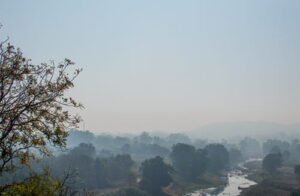
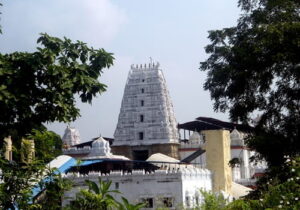
Cachar District, Assam: Top Attractions, History, Temples, Weather & Things to Do
Cachar district is one of the oldest districts in Assam and the cultural capital of the Barak Valley — the southernmost stretch of the state, where the Barak River flows through a landscape shaped by centuries of Kachari kingdom history, Bengali linguistic pride, and the layered cultural identities of Assamese, Bengali, Manipuri, and Dimasa traditions. Silchar, the district headquarters and Assam’s second-largest city, sits at the confluence of these cultures on the banks of the Barak River — a city whose very name derives from the Bengali words “Shil” (rock) and “Char” (shore or island), earning it the affectionate title “Island of Peace” bestowed by former Prime Minister Indira Gandhi.
Cachar holds a global footnote of distinction that most visitors don’t expect: the world’s first polo club was established in Silchar in 1859, making this seemingly remote Barak Valley city the birthplace of competitive polo as an organised sport — a fact that adds a surprising layer of cosmopolitan history to a district otherwise celebrated for its tea gardens, ancient temples, and the ruins of the Kachari kingdom’s last capital at Khaspur.
Cachar District, Assam — Quick Overview
| Feature | Details |
| State | Assam |
| District Headquarters | Silchar |
| Region | Barak Valley |
| Distance from Guwahati | ~343 km |
| Famous For | Khaspur Ruins (Kachari Kingdom), Maniharan Tunnel, Bhubaneswar Shiva Temple, world’s first polo club |
| Key River | Barak |
| Name Meaning | “Shil” (rock) + “Char” (shore/island) in Bengali |
| Nearest Airport | Kumbhirgram Airport, Silchar (~29 km from city) |
| Railway Station | Silchar Railway Station (connected to 170+ stations) |
| Best Time to Visit | October to April |
| Climate | Tropical monsoon |
History of Cachar District
1. The Kachari Kingdom — Bodo Ancestral Legacy
Cachar’s most defining historical legacy belongs to the Kachari kings — a dynasty of the Bodo-Kachari ethnic group whose mighty and powerful kingdom ruled much of the Barak Valley for centuries. The Kachari Dynasty successively shifted its capital through time, with Khaspur serving as their last royal seat. The archaeological remnants at Khaspur, located approximately 20 km from Silchar at Udharband, represent the kingdom’s most tangible surviving heritage — a place where a King’s Temple, Lion Gate (designed in the shape of an elephant), and Sun Gate still stand as architectural reminders of this pre-Aryan non-Aryan culture that dominated the region before Mughal and eventually British influence transformed the landscape.
2. The World’s First Polo Club (1859)
In 1859, Silchar became the unlikely birthplace of competitive polo as an organised international sport when the world’s first polo club was established here, initially formed by British tea planters gathering at the Cachar Club. The Silchar Polo Club subsequently helped codify the rules and structures of the game that spread from here to become a globally played sport — a historical achievement rarely associated with this northeastern Indian city but one that permanently connects Cachar to international sporting history.
3. The Language Martyrs — Bengali Pride in the Barak Valley
Cachar’s most emotionally resonant modern historical chapter is the Language Movement of 1961, when 11 martyrs sacrificed their lives at the Silchar Railway Station fighting to establish Bengali as the official language of the Cachar district. This sacrifice is commemorated at the Martyr’s Tomb in Gandhi Bag, situated on the banks of Dolu Lake, where the 11 tombs stand as a solemn reminder of the price paid for linguistic rights. For Bengal-origin residents of the Barak Valley, this site carries profound emotional and cultural significance comparable to the broader Bengali language movement heritage.
4. British Era and Tea Cultivation
The British recognised Cachar’s agricultural potential early in the colonial period, establishing tea cultivation across the Barak Valley’s fertile plains and rolling foothills. Today’s tea estates remain an economic and cultural cornerstone of the district, contributing to Silchar’s original identity as a “tea town” before it evolved into the commercial and educational hub of the Barak Valley.
Top Attractions in Cachar District
1. Khaspur — Ruins of the Kachari Kingdom
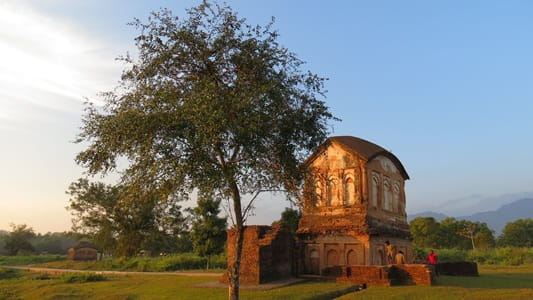
Located approximately 20 km from Silchar city at Udharband, Khaspur is Cachar’s most significant historical destination — the last capital of the Kachari Kingdom, where the ruins of the Royal Palace and its ancient gates remain as witnesses to centuries of Bodo-Kachari rule. Visitors can examine the King’s Temple, the dramatically shaped Lion Gate and Sun Gate (designed in elephant form), along with the remnants of the royal palace complex itself. The architectural style reflects a distinctive non-Aryan building tradition, with the brick structures once held together by lime mortar without the use of pillars. While in need of renovation and restoration, the massive entrance gates still stand tall, and archaeologists and historians continue to find value in studying the site’s surviving inscriptions and structural evidence.
2. Bhubaneswar Shiva Temple (Bhuvan Hills)
Situated approximately 35-50 km from Silchar on the top of Bhuvan Hills, the Bhubaneswar Temple is one of Assam’s most important Shiva temples, housing idols of both Lord Shiva and Goddess Parvati within its main sanctum. The journey to the temple requires trekking from the base of the hills — a rewarding climb through forested terrain that culminates in a highly revered pilgrimage site. Significant festivals including Doljatra, Shivaratri, and Baruni are celebrated annually at the temple, drawing devotees from across Assam and neighbouring states. A fun fair is also held during Dol Purnima (Holi), adding a festive dimension to the spiritual visit.
3. Maniharan Tunnel (Bhuvan Hills)
Located approximately 5 km north of the Bhubaneswar Temple within the same Bhuvan Hills complex, the Maniharan Tunnel holds deep mythological significance: according to local legend, Lord Krishna used this tunnel during his visit to the Barak Valley region. The holy Tribeni River flows directly beneath this tunnel, and devotees regularly visit to bathe in its sacred waters and seek blessings. Festivals are celebrated here as well, and the road through the tunnel offers a thrilling, atmospheric driving experience amid dark, curved underground passage.
4. Dolu Lake
Silchar’s most scenic natural attraction, Dolu Lake offers beautiful sunrise and sunset views from its tranquil banks, surrounded by lush greenery. The lake is an ideal spot for peaceful morning walks, photography, and quiet contemplation away from the city’s commercial bustle. The Gandhi Bag area adjacent to the lake adds historical significance through the Martyr’s Tomb, making the Dolu Lake area a combined natural and memorial destination that honours the city’s complex heritage.
5. Martyr’s Tomb (Gandhi Bag)
Located on the banks of Dolu Lake within the Gandhi Bag park complex, the Martyr’s Tomb houses the 11 tombs of those who sacrificed their lives in the 1964 Language Movement. This site carries profound cultural significance for Barak Valley’s Bengali-speaking population and is a must-visit for travellers interested in understanding the district’s contemporary cultural identity and the deep roots of linguistic pride in this multilingual corner of Assam.
6. Kancha Kanti Kali Mandir
Located approximately 14 km south of Silchar city, the Kancha Kanti Kali Temple was established by the Kachari King in 1806 CE and is dedicated to the Mother Goddess “Kachakanti,” who embodies the combined powers of both Goddess Kali and Goddess Durga. In 1818 CE, this site witnessed human sacrifices — a grim historical detail that adds unusual historical depth to the temple’s continued worship tradition. The gold idol of the four-armed Goddess was constructed following a king’s dream vision directing the creation of this specific idol. Situated 14 km from the city, the temple is a significant regional pilgrimage site easily accessible by road from Silchar.
7. Hindustan Paper Corporation (Panchgram)
One of the largest paper mills in Asia, located a few kilometres from Silchar en route to Badarpur on the banks of the Barak River, the Hindustan Paper Corporation facility represents the district’s significant industrial heritage and remains a notable landmark along the Barak Valley transport corridor.
8. Tea Estates of Cachar
Cachar’s identity as a tea district remains visible in the green-carpeted estates surrounding Silchar, where tea tourism provides travellers with the opportunity to walk through tea plantations, observe the plucking and processing operations during season, and experience the agricultural heritage that gave Silchar its earliest identity as a “tea town” in colonial Assam.
Temples and Religious Sites of Cachar District
| Temple/Site | Location | Deity/Tradition | Key Feature |
| Bhubaneswar Shiva Temple | Bhuvan Hills, ~35-50 km from Silchar | Lord Shiva + Goddess Parvati | Hilltop temple; major Shivaratri festival |
| Maniharan Tunnel Temple | Bhuvan Hills, ~5 km from Bhubaneswar Temple | Lord Krishna (mythology) | Holy Tribeni River flows beneath; tunnel pilgrimage |
| Kancha Kanti Kali Mandir | ~14 km south of Silchar | Goddess Kachakanti (Kali-Durga) | Built 1806 by Kachari King; unique combined deity |
| Martyr’s Tomb (Gandhi Bag) | Dolu Lake banks, Silchar | Language Movement memorial | 1964 martyrs; profound Bengali cultural significance |
Weather in Cachar District
October to April — Best Time: Pleasant tropical weather with manageable temperatures and minimal rainfall, ideal for sightseeing at Khaspur, the Bhuvan Hills temples, and Dolu Lake. October to March is most consistently recommended by multiple sources.
Summer (May-June): Hot and humid; the tropical climate intensifies before monsoon onset.
Monsoon (June-September): Heavy and frequent rainfall typical of this tropical monsoon zone, making travel risky and some outdoor sites inaccessible. Visitors are specifically advised against this period.
Things to Do in Cachar District (2026)
Explore Khaspur’s Kachari Kingdom Ruins — A half-day heritage excursion to the Lion Gate, Sun Gate, King’s Temple, and palace remnants of the Kachari Kingdom’s last capital.
Trek to Bhubaneswar Temple on Bhuvan Hills — Combine the forest trek, Shiva-Parvati temple darshan, and nearby Maniharan Tunnel visit for a complete Bhuvan Hills spiritual day.
Dolu Lake Sunrise Walk and Martyr’s Tomb Tribute — Combine an early morning lake stroll with a quiet visit to the Language Movement martyrs’ memorial at Gandhi Bag.
Kancha Kanti Kali Mandir Pilgrimage — Visit this historically rich temple 14 km south of Silchar, particularly meaningful during its annual festival periods.
Tea Estate Walk — Spend a morning walking through Cachar’s tea estates to connect with the district’s colonial-era agricultural heritage.
Sample Barak Valley Cuisine — Try masor tenga (sour fish curry), patot dita mas (steamed fish), and Assamese rice preparations at local Silchar eateries.
How to Reach Cachar District
By Air: Kumbhirgram Airport in Silchar, approximately 29 km from the city centre, is Assam’s second-busiest airport with regular flights to Guwahati, Kolkata, and Tezpur.
By Train: Silchar Railway Station connects the district to over 170 stations across India, with trains to New Delhi, Kolkata, Chennai, Patna, Coimbatore, and other major cities.
By Road: Most travellers fly to Guwahati or Aizawl and take bus or cab services to reach Silchar; the district is connected by road to neighbouring states with regular bus and private taxi services.
Conclusion
Cachar district rewards travellers willing to venture into Assam’s Barak Valley with an unexpectedly layered experience — the birthplace of competitive polo, Kachari Kingdom ruins at Khaspur, a Bhuvan Hills pilgrimage circuit combining a hilltop Shiva temple and Lord Krishna’s mythological tunnel, and the emotionally resonant Language Movement memorial at Dolu Lake. For those seeking authentic, culturally dense northeastern India beyond the Kaziranga-Guwahati circuit, Silchar and Cachar deliver a genuinely distinctive Barak Valley cultural identity.
FAQs About Cachar District, Assam
Q1. What is Cachar district famous for?
A: Cachar is famous as home to Silchar — Assam’s second-largest city and the cultural hub of the Barak Valley — alongside the ruins of the Kachari Kingdom at Khaspur, the Bhubaneswar Shiva Temple on Bhuvan Hills, the Maniharan Tunnel, the world’s first polo club (established 1859), and the Language Movement Martyr’s Tomb at Dolu Lake.
Q2. Where was the world’s first polo club established?
A: The world’s first polo club was established in Silchar, Cachar district, in 1859, making this northeastern Indian city the birthplace of competitive polo as an organised international sport. It was initially formed by British tea planters gathering at the Cachar Club.
Q3. What is the significance of the Martyr’s Tomb in Silchar?
A: The Martyr’s Tomb, located in Gandhi Bag on the banks of Dolu Lake, commemorates 11 individuals who sacrificed their lives in 1964 fighting for Bengali to be recognised as the official language of Cachar district. This site carries profound cultural and emotional significance for the Barak Valley’s Bengali-speaking population.
Q4. What is the Maniharan Tunnel and why is it significant?
A: The Maniharan Tunnel, located in the Bhuvan Hills approximately 5 km from the Bhubaneswar Shiva Temple, is a mythologically significant site where, according to local legend, Lord Krishna used the tunnel during his visit to the Barak Valley region. The holy Tribeni River flows beneath the tunnel, and devotees visit to bathe in its sacred waters and seek blessings.
Q5. When is the best time to visit Cachar district?
A: October to April is the recommended period, with October to March offering the most consistently pleasant weather for sightseeing at Khaspur, the Bhuvan Hills temples, and Dolu Lake. The monsoon season (June-September) brings heavy rainfall that makes travel risky and outdoor sites less accessible.