Cuddalore District, Tamil Nadu: Top Attractions, History, Temples, Weather & Things to Do
Cuddalore district occupies the southeastern coast of Tamil Nadu, where the Bay of Bengal’s Coromandel coastline meets a landscape layered with ancient temple heritage, colonial battleground history, and one of the world’s most remarkable mangrove forest ecosystems. Scholars believe the name “Cuddalore” derives from the Tamil word “Koodalur” — meaning confluence — a fitting name for a district where ancient temple traditions, colonial European power struggles, and modern industrial development converge along a single stretch of eastern coast.
The district’s history is one of exceptional dynastic depth: Cuddalore traded with the Roman Empire approximately 2,000 years ago, and the town rose to prominence successively under the Pallavas, Medieval Cholas, Pandyas, the Vijayanagar Empire, Madurai Nayaks, Thanjavur Nayaks, Thanjavur Marathas, Tipu Sultan, French, and finally the British — making it one of Tamil Nadu’s most fought-over coastal territories. The district is the birthplace of the celebrated saint-poet Vallalar Ramalingaswami Adigal, the chief Shaivite saint Appar, and the Vaishnava saint Raghavendra Swami — a remarkable concentration of India’s greatest spiritual figures from a single geographic district.
Cuddalore District, Tamil Nadu — Quick Overview
| Feature | Details |
| State | Tamil Nadu |
| District Headquarters | Cuddalore city |
| Name Meaning | From Tamil “Koodalur” — confluence |
| Famous For | Pichavaram Mangrove Forest, Chidambaram Nataraja Temple, Silver Beach, Fort St David, Bhuvaraha Swami Temple |
| Nickname | “Sugar Bowl of Tamil Nadu” |
| Coastline | Bay of Bengal (Coromandel Coast) |
| Birthplace | Vallalar Ramalingaswami Adigal, Appar saint, Raghavendra Swami |
| Distance from Pondicherry | ~20 km |
| Distance from Chennai | ~200 km |
| Nearest Airport | Pondicherry Airport (~25 km); Chennai International Airport (~200 km) |
| Best Time to Visit | November to February |
History of Cuddalore District
Roman Trade and Ancient Dynasties
Cuddalore’s history stretches at least 2,000 years, with the district having maintained trade relations with the Roman Empire from the early centuries CE. Archaeological evidence of these ancient commercial relationships survives in the Cuddalore Government Museum at Manjakuppam. The district held a proud position under the successive rule of the Cholas, Pallavas, and Pandyas, each dynasty contributing temples, inscriptions, and architectural heritage that survive to this day.
Colonial Battleground — Seven Years’ War and the Battle of Cuddalore
In 1758, Cuddalore witnessed the Battle of Cuddalore — a key engagement of the Seven Years’ War between French and British forces competing for colonial supremacy over the Coromandel Coast. This battle placed Cuddalore on the map of European military history, and the Dutch had preceded both powers, becoming the first European colonisers of the district. Subsequently Portugal, France, and finally Britain each controlled the town, leaving a layered European heritage across the district. Fort St David, located near Cuddalore, was a significant British fortification now reduced to ruins that still attract historically curious visitors.
Birthplace of Spiritual Giants
The district carries an extraordinary spiritual legacy: it is the birthplace of Vallalar Ramalingaswami Adigal (a celebrated 19th-century Tamil saint and social reformer), Chief Shaivite Saint Appar (one of the Nayanmars, the 63 canonical Shaivite poet-saints of Tamil Nadu), and Raghavendra Swami (a revered Vaishnava saint of the Dvaita Vedanta tradition). This concentration of three of South India’s most celebrated saints from a single district makes Cuddalore one of the most spiritually significant birthplace regions in Tamil Nadu.
The 2004 Tsunami
Cuddalore was among the towns most severely affected by the December 2004 Indian Ocean earthquake and tsunami, with 572 casualties recorded in the district alone. The recovery and rebuilding that followed reshaped coastal communities and infrastructure significantly, though the broader cultural and spiritual heritage of the district remained undimmed.
Top Attractions in Cuddalore District
Pichavaram Mangrove Forest
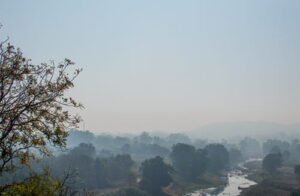
One of Cuddalore district’s most internationally recognized natural wonders, Pichavaram is the second-largest mangrove forest in the world, positioned between two prominent estuaries — the Vellar estuary to the north and the Coleroon (Kollidam) estuary to the south, near Chidambaram, approximately 43 km from Cuddalore. The mangrove forest contains an interconnected network of backwater channels and creeks fed by the Vellar and Coleroon rivers, providing the most extensive scope for water sports in Tamil Nadu: rowing, kayaking, and canoeing through the dense mangrove canopy create a genuinely magical natural experience. The forest also serves as a significant bird habitat and nursery for fish species, making it equally rewarding for birdwatchers and wildlife photographers.
Thillai Nataraja Temple, Chidambaram
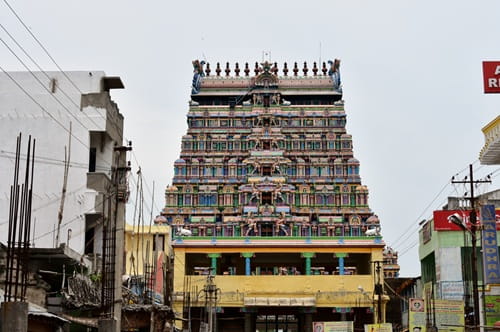
Located 43 km from Cuddalore city in the temple town of Chidambaram, the Thillai Nataraja Temple is one of the most significant Shiva temples in South India and among the world’s most celebrated centres of classical dance — Lord Shiva is worshipped here in his cosmic form as Nataraja, the Lord of Dance. One of the Pancha Bhuta Stalas (five elemental temples of Lord Shiva), this temple represents the “Akasha” (space/ether) element, making it theologically unique among Tamil Nadu’s Shiva shrines. The temple walls inside the Vridhachalam temple carry 72 dance postures sculpted in stone, representing the 108 karanas (movement units) of Bharatanatyam.
Silver Beach (Devanampattinam)
Located 2 km from Cuddalore city on its eastern side in Devanampattinam, Silver Beach is among Tamil Nadu’s most popular coastal attractions on the Coromandel Coast and described as the second longest beach on the Coromandel coastline. Swarmed with visitors year-round, the beach’s natural serenity and clean sands make it a significant draw for domestic tourists seeking an accessible, uncrowded alternative to Chennai’s Marina Beach.
Veeranam Lake (Veeranathen Eri)
An ancient and massive freshwater reservoir in Cuddalore district believed to have been constructed in the 10th century during the reign of the Cholas, Veeranam Lake is notable as one of the primary sources supplying water to Chennai city via a pipeline. Its springs historically fed the water needs of a vast region, and today the lake serves as a delightful off-beat picnic spot surrounded by natural landscape.
Bhuvaraha Swami Temple, Srimushnam
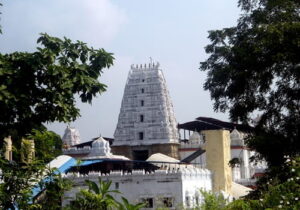
Located in Srimushnam within the Cuddalore district, the Bhuvaraha Swami Temple is one of the 108 Divya Desams — the most sacred Vaishnava temples — dedicated to Lord Vishnu in his Varaha (boar) avatar form. First rising to prominence during the Medieval Chola period and later expanded by Achutappa Nayak of the Thanjavur Nayaks, the temple is built in the Dravidian architectural style and enclosed by a granite wall that creates a serene, sheltered spiritual atmosphere. The deity Bhuvararaha represents Lord Vishnu rescuing the earth (Bhudevi) from the cosmic waters.
Fort St David
Now in ruins, Fort St David was a British fort situated near Cuddalore, approximately 100 miles south of Chennai, serving as a significant colonial military installation during the battles between European powers for control of the Coromandel Coast. The ruins attract visitors interested in tracing the physical legacy of colonial-era military architecture in coastal Tamil Nadu.
Devanathaswamy Temple (Thiruvanthipuram)
One of the ancient Vaishnavite shrines and counted among the 108 Vaishnavite temples sanctified by the Alwars and Acharyas, the Devanathaswamy Temple in Thiruvanthipuram (a village on the outskirts of Cuddalore) is dedicated to Lord Vishnu as “Devanatha” — Lord of the Devas. The temple is revered in the Nalayira Divya Prabandham (the 4,000 Tamil Vaishnava hymns) and represents one of the district’s most ancient Vishnu shrines.
Vridhagireeswarar Temple, Virudhachalam
An ancient Shiva temple in Virudhachalam town whose name means “hill of old age” (Vridhachalam), dedicated to Lord Shiva as Bhagawan Easwar. Originally called Pazhamalai (the Sanskrit name “Virudhachalam” means “hill”), the temple walls carry the 72 dance postures sculpted in stone, and the great Shaiva saints sang devotional songs about this important temple site.
Temples of Cuddalore District
| Temple | Location | Deity | Key Feature |
| Thillai Nataraja Temple | Chidambaram (~43 km from Cuddalore) | Lord Shiva (Nataraja) | Pancha Bhuta Stala (Akasha); 72 dance postures inscribed |
| Bhuvaraha Swami Temple | Srimushnam | Lord Vishnu (Varaha avatar) | One of 108 Divya Desams; Chola-era origin |
| Devanathaswamy Temple | Thiruvanthipuram, outskirts of Cuddalore | Lord Vishnu (Devanatha) | Ancient 108 Divya Desam; glorified by Alwars |
| Padaleeswarar Temple | Thiruppadiripuliur, Cuddalore | Lord Shiva (Padaleeswarar) | Most famous Shiva temple in Cuddalore city |
| Vridhagireeswarar Temple | Virudhachalam town | Lord Shiva | 72 dance postures on temple walls |
| Veeratteswarar Temple | Cuddalore district | Lord Shiva | Ancient Shaivite temple |
| Thillai Kali Temple | Outskirts of Chidambaram | Goddess Kali | Significant Shakti shrine near Nataraja temple |
Weather in Cuddalore District
November to February — Best Time: Pleasant coastal weather with manageable temperatures and low humidity, ideal for visiting Pichavaram’s mangroves, temple circuits, and Silver Beach without the intense heat of other Tamil Nadu months.
March to May — Summer: Progressively hot and humid coastal conditions with temperatures rising steadily.
June to September — Northeast Monsoon: Cuddalore receives rainfall primarily from the Northeast Monsoon (October-December) rather than the southwest monsoon, making it wetter during the transition to winter than most of India.
Things to Do in Cuddalore District (2026)
Kayaking and Canoeing through Pichavaram’s Mangrove Canopy — Book a guided backwater tour through one of the world’s largest mangrove forests for a genuinely extraordinary natural experience.
Thillai Nataraja Temple Circuit in Chidambaram — Combine the Nataraja Temple (Pancha Bhuta Stala) with nearby Thillai Kali Temple for a spiritually complete Chidambaram visit.
Silver Beach Sunrise or Sunset — Time a Devanampattinam beach visit for the coast’s dramatically lit dawn or dusk conditions along this extended Coromandel stretch.
Bhuvaraha Swami Temple Pilgrimage at Srimushnam — Visit this 108 Divya Desam temple for a historically layered Vaishnava pilgrimage experience.
Fort St David Heritage Exploration — Walk through the colonial-era fort ruins for a tactile connection to the district’s French-British military history.
Veeranam Lake Picnic — A relaxed half-day at this ancient Chola-era reservoir, excellent for quiet contemplation or birdwatching.
How to Reach Cuddalore District
By Air: Pondicherry Airport is the nearest, approximately 25 km away; Chennai International Airport offers broader connectivity at approximately 200 km.
By Train: Cuddalore has its own railway station with connections to major Indian cities; Cuddalore Port Junction Station is an additional railhead in the district.
By Road: The district is well connected to Pondicherry (20 km), Chennai (200 km), and other major Tamil Nadu cities by national and state highways, with regular bus services.
Conclusion
Cuddalore district delivers Tamil Nadu’s Coromandel Coast at its most layered — the world’s second-largest mangrove forest at Pichavaram, the cosmic dance of Shiva at Chidambaram’s Nataraja Temple, a colonial military legacy at Fort St David, and a spiritual heritage encompassing three of South India’s greatest saint-poets born within a single district. For travellers seeking an authentic, non-touristy combination of ancient temple culture, exceptional natural ecology, and battle-scarred European colonial history, Cuddalore rewards thoughtful exploration.
FAQs About Cuddalore District, Tamil Nadu
Q1. What is Cuddalore district famous for?
Cuddalore is famous for Pichavaram Mangrove Forest (the world’s second-largest mangrove forest), the Thillai Nataraja Temple at Chidambaram (one of the Pancha Bhuta Stalas), Silver Beach, the Bhuvaraha Swami Temple at Srimushnam (a 108 Divya Desam), Fort St David’s colonial ruins, and as the birthplace of saints Vallalar Ramalingaswami Adigal, Appar, and Raghavendra Swami.
Q2. What is special about Pichavaram?
Pichavaram is the second-largest mangrove forest in the world, located between the Vellar and Coleroon estuaries near Chidambaram. It offers a network of interconnected backwater channels ideal for kayaking, canoeing, and rowing through the mangrove canopy, alongside significant birdlife and fish habitats.
Q3. Why is Chidambaram’s Nataraja Temple significant?
The Thillai Nataraja Temple at Chidambaram is one of the Pancha Bhuta Stalas — five temples of Lord Shiva representing the five elements. Chidambaram represents the “Akasha” (space/ether) element, making it the most philosophically significant of the five, and Lord Shiva is worshipped here as Nataraja, the cosmic Lord of Dance.
Q4. What colonial battles occurred at Cuddalore?
In 1758, Cuddalore was the scene of the Battle of Cuddalore during the Seven Years’ War between French and British colonial forces. Before them, the Dutch had first colonised the town, making Cuddalore one of the most fought-over colonial territories on the Coromandel Coast.
Q5. When is the best time to visit Cuddalore district?
November to February is the recommended period, offering pleasant coastal weather ideal for visiting Pichavaram’s mangroves, temple circuits, and Silver Beach. The Northeast Monsoon (October-December) brings rain to the district, so December and January offer the most reliably pleasant conditions.