Almora District, Uttarakhand: Top Attractions, History, Temples, Weather & Things to Do
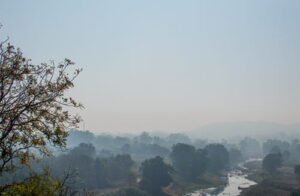
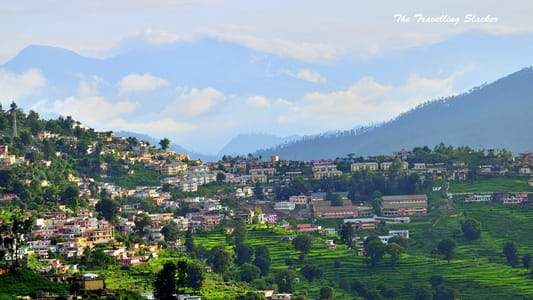
Almora district sits on a horse-saddle-shaped ridge at an average elevation of 1,638 metres in the Kumaon Himalayan region of Uttarakhand, flanked by rivers Koshi (Kaushiki) and Suyal (Salmale), with the snow-capped peaks of Nanda Devi and the Panchachuli range visible on clear days from its higher vantage points. Founded in 1568 by Kalyan Chand of the Chand dynasty, Almora is considered the cultural heart of the Kumaon region — a reputation built over centuries on its ancient temples, classical arts, distinctive cuisine, and the remarkable concentration of Himalayan scholars, saints, and spiritual seekers who have found their way to its deodar-forested hills.
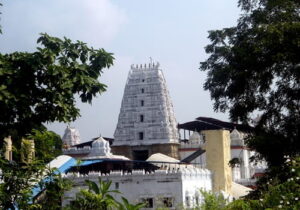
The district’s name itself carries a botanical origin story: derived from “Kilmora,” a small plant found in the surrounding region used for washing the utensils of the Katarmal Sun Temple. The people who brought Kilmora were called “Kilmori,” then “Almori,” and eventually the place became “Almora.” The district’s most defining heritage site is Jageshwar Dham — the “Valley of Gods” — where 124 ancient stone temples dedicated to Lord Shiva stand in a narrow deodar forest valley, dated by the ASI to the post-Gupta and pre-medieval era, said to be 2,500 years old.
Almora District, Uttarakhand — Quick Overview
| Feature | Details |
| State | Uttarakhand |
| District Headquarters | Almora town |
| Elevation | 1,638 metres (average) |
| Founded | 1568 (by Kalyan Chand, Chand dynasty) |
| Name Origin | From “Kilmora” plant used for washing Katarmal Temple utensils |
| Famous For | Jageshwar Dham, Kasar Devi Temple, Katarmal Sun Temple, Binsar Wildlife Sanctuary, Ranikhet |
| Key Rivers | Koshi (Kaushiki), Suyal (Salmale) |
| Nearest Airport | Pantnagar Airport (~127 km) |
| Nearest Railway | Kathgodam (~85-130 km) |
| Best Time to Visit | March to June; September to November |
| Winter Temperature | Below 0°C (nights); 15°C (days) |
| Summer Temperature | 15°C – 30°C |
History of Almora District
Chand Dynasty and the 1568 Founding
Almora was founded in 1568 by Kalyan Chand of the Chand dynasty, who established it as a key centre of Kumaon’s political and cultural life. The temples at Almora can be conveniently divided into two groups: Shaivite temples including Tripur Sundari, Udyot Chandeshwar, and Parbateshwar, erected in 1688 after the victory of Udyot Chand over Doti and Garhwal, presently on the hill above Lala Bazaar — and the ancient temple of Parbateshwara, endowed again by ruler Dip Chand in 1760, renamed Dipchandeshwar. Eight temples of Bhairava — considered the eight gates of the city of Shiva — were erected during the reign of Gyan Chand to appease Lord Bhola Nath.
Tipu Sultan’s Unusual Respect for Vadakkumnathan — A Kumaon Parallel
The Nanda Devi Mandir was built by the Chand Rajas, with the idol removed from the fort by Mr. Trail, the famous British divisional commissioner of Kumaon, and relocated to the present temple. Every September, Almora comes alive as thousands flock to this temple for the Nanda Devi Mela, a five-day pageant running continuously for more than 400 years.
Swami Vivekananda and the Spiritual Legacy of Kasar Devi
The Kasar Devi Temple, with its structure dating to the 2nd century CE, gained particular international attention after Swami Vivekananda visited in the 1890s and is believed to have experienced enlightenment at this location. The temple sits within the Van Allen Belt — a region of high geomagnetic field concentration — which many spiritual seekers believe creates a unique vortex of meditative energy. During the 1960s and 1970s, the nearby Crank’s Ridge became a prominent destination of the Hippie movement, attracting Western seekers including Sunyata Baba, Alfred Sorensen, and Lama Anagarika Govinda.
Dwarahat — Former Capital of the Katyuri Dynasty
Dwarahat — whose very name means “Way to Heaven” in local parlance — was once the capital of the Katyuri dynasty and remains home to hundreds of 11th-century temples spread across the town, a concentration of medieval Himalayan temple architecture that rivals the better-known Jageshwar complex.
Top Attractions in Almora District
Jageshwar Dham
Located 36 km northeast of Almora in the Jataganga river valley amid deodar forest at 1,870 metres, Jageshwar Dham is one of Uttarakhand’s most extraordinary temple complexes — 124 ancient stone temples, some dated to the 7th century CE, with the site overall said by ASI to be 2,500 years old. The two major clusters — the Dandeshwar group (15 temples) and the Jageshwar group (124 temples) — contain stone lingams, stone sculptures, and altar carvings representing the highest concentration of Shiva worship in the Kumaon region. Jageshwar is listed in the Dwadasa Jyotirlinga Stotra alongside Somnath, Mallikarjuna, Mahakaleshwar, Omkareshwar, and the other major Jyotirlingas, reflecting its extraordinary sacred standing. The annual Jageshwar Monsoon Festival during Shravan (July-August) and the Maha Shivratri Mela are the two principal celebrations at the site.
Kasar Devi Temple
Situated in Kasar Village at 2,116 metres, the Kasar Devi Temple is dedicated to Kasar Devi, a form of Goddess Durga, with the structure dated to the 2nd century CE. The temple sits at one of only three globally identified points on the Van Allen Magnetic Belt — believed to generate a powerful concentration of geomagnetic energy ideal for automatic meditation. Swami Vivekananda visited and meditated here in the 1890s, and the site continues to attract spiritual seekers from across the world who spend hours in quiet meditation amid panoramic Himalayan views.
Katarmal Sun Temple
India’s second most important Sun Temple after Konark in Odisha, Katarmal Sun Temple is an 800-year-old structure located 17 km from Almora. The main temple and smaller surrounding temples are constructed from stone, featuring panoramic views of the Almora hills from the hilltop location. The temple is dedicated to the sun deity and rewards the short scenic trek required to reach it with breathtaking mountain vistas and genuinely fine stone craftsmanship.
Binsar Wildlife Sanctuary
Situated in the dense deodar, pine, and oak forest above Almora, Binsar Wildlife Sanctuary is home to leopards, Himalayan black bears, Himalayan goral, musk deer, and white deer (albino varieties). The Sanctuary’s Zero Point viewpoint offers what is often described as the finest Himalayan panorama from the Kumaon region on clear days, encompassing peaks including Kedarnath, Nanda Devi, Trishul, and Panchachuli. Entry requires a pass (₹250 approximately), with the viewpoint approximately 12 km from the sanctuary’s main gate.
Binsar Mahadev Temple
Situated amidst thick deodar forest, Binsar Mahadev Temple is believed to have been built in the 9th-10th century and features idols of Ganesh, Har Gauri (Shiva and Parvati), and Maheshmardini. The idol of Maheshmardini bears engraved texts in Nagari script dated to the 9th century, and the shrine is believed to have been built by King Pithu in memory of his father Bindu — also known as Bindeshwar temple. The stream and forest setting make it one of the most atmospherically compelling smaller temples in the Kumaon region.
Chitai Golu Devta Temple
Located approximately 8 km from Almora, the Chitai Golu Devta Temple is dedicated to Golu Devta — a form of Lord Shiva as Gaur Bhairav — and is perhaps Almora’s most distinctively cultural attraction. The temple is recognised by thousands of bells hung throughout its premises by devotees whose wishes have been fulfilled, alongside handwritten letters on paper or stamped court-style documents recording the wish — a tradition found specifically in Kumaon’s Golu Devta temples. Thick forests of chir pines and deodars surround the temple.
Ranikhet
Located approximately 50-55 km from Almora, Ranikhet is a cantonment hill station within the district, home to the Kumaon Regiment Museum and its record of the regiment’s distinguished history. Chaubatiya Gardens, Jhula Devi Temple (a 700-year-old Durga shrine known for its bells), and sweeping Himalayan views define this quieter alternative to Almora’s central bustle.
Dwarahat
Located at 1,510 metres, 60 km from Almora, Dwarahat served as the Katyuri dynasty’s former capital and houses hundreds of 11th-century temples along with the highly regarded Maa Dunagiri Temple (at 2,400 metres, known as the birthplace of modern Kriya Yoga) and Vimandeshwar Temple in a valley below. An annual Dwarahat Mela in April and the Manila Devi Temple — the family goddess of the Katyuri clan, approximately 85 km from Ranikhet — complete the cultural heritage picture of this corner of the district.
Bright End Corner
A popular sunrise and sunset viewpoint situated at the end of the Almora ridge, Bright End Corner offers perhaps the most accessible panoramic view in the Almora district for casual visitors who want the Himalayan skyline without a serious trek.
Temples of Almora District
| Temple | Location | Deity | Key Feature |
| Jageshwar Dham (124 temples) | 36 km NE of Almora | Lord Shiva (multiple forms) | 2,500 years old per ASI; Van Allen Belt setting |
| Kasar Devi Temple | Kasar Village, 2,116m | Kasar Devi (Durga form) | 2nd-century CE; Van Allen Magnetic Belt |
| Katarmal Sun Temple | 17 km from Almora | Sun deity (Surya) | India’s 2nd most important Sun Temple after Konark |
| Chitai Golu Devta Temple | ~8 km from Almora | Golu Devta (Gaur Bhairav, Shiva form) | Famous for wish-fulfilling bells tradition |
| Nanda Devi Temple | Almora town | Goddess Nanda Devi | Built by Chand Rajas; annual 5-day Nanda Devi Mela |
| Binsar Mahadev Temple | Binsar Forest | Lord Shiva | 9th-10th century; 9th-century Nagari script engravings |
| Jhula Devi Temple | Ranikhet | Goddess Durga | 700 years old; famous bell-offering tradition |
Weather in Almora District
March to June — Best Season (Spring-Summer): Temperatures range from 15°C to 30°C — warm in the morning, enjoyable in the evenings — ideal for trekking, temple visits, and wildlife sanctuary exploration.
September to November — Autumn (Second Best Period): Temperatures of 10°C-20°C, clear skies, and exceptional visibility of Himalayan ranges make this period equally rewarding, particularly for photography.
December to February — Winter: Cold days, very cold nights falling below 0°C. Heavy woolens and thermals are essential; snow is possible at higher elevations.
Monsoon (July-August): Heavy rainfall, though the Jageshwar Monsoon Festival during Shravan specifically draws pilgrim crowds to celebrate the temple complex’s most significant annual celebration.
Things to Do in Almora District (2026)
Valley of Gods Trek at Jageshwar Dham — Spend a full day exploring the 124-temple valley, combining the Dandeshwar and Jageshwar temple clusters amid ancient deodar forest.
Meditative Visit to Kasar Devi — Arrive early and spend quiet hours on the Van Allen Belt hilltop where Swami Vivekananda himself sought enlightenment.
Himalayan Panorama from Binsar Zero Point — Trek through the wildlife sanctuary to reach Uttarakhand’s finest Himalayan viewpoint on a clear winter or autumn morning.
Katarmal Sun Temple Hike — Take the short scenic uphill trail to India’s second most important Sun Temple for historical depth and panoramic valley views.
Bell-Hanging at Chitai Golu Devta — Participate in this uniquely Kumaoni wish-fulfillment tradition, hanging a bell after a wish is granted or writing a formal “petition” to the deity.
Lala Bazaar Shopping — Browse Almora’s distinctive marketplace for local crafts, including the celebrated Bal Mithai and Singori sweets unique to the Kumaon region.
How to Reach Almora District
By Air: Pantnagar Airport is the nearest, approximately 127 km away; Dehradun Airport offers an alternative at greater distance.
By Train: Kathgodam Railway Station, approximately 85-130 km depending on the specific destination within the district, is the nearest rail connection, directly connected to Delhi, Lucknow, and Dehradun.
By Road: Almora is well connected by road from Kathgodam, Haldwani, Delhi (approximately 365 km), and other major Uttarakhand destinations through state highways.
Conclusion
Almora district delivers the Kumaon Himalayan experience at its most spiritually concentrated — 124 temples in a single deodar forest valley at Jageshwar, a 2nd-century temple on the Van Allen Magnetic Belt where Swami Vivekananda sought enlightenment, India’s second most important Sun Temple after Konark, and a Himalayan panorama from Binsar that encompasses peaks spanning three ranges. For travellers seeking slow-paced Himalayan discovery combining ancient temple heritage, mountain air, and the lingering spiritual energy of centuries of Shaivite devotion, Almora remains one of Uttarakhand’s most essential and genuinely rewarding destinations.
FAQs About Almora District, Uttarakhand
Q1. What is Almora district famous for?
Almora is famous as the cultural heart of Kumaon, known for Jageshwar Dham (a valley of 124 ancient Shiva temples), the Kasar Devi Temple on the Van Allen Magnetic Belt (visited by Swami Vivekananda), Katarmal Sun Temple (India’s second most important Sun Temple), Binsar Wildlife Sanctuary, and the unique bell-offering tradition at Chitai Golu Devta Temple.
Q2. How did Almora get its name?
Almora derives its name from “Kilmora,” a small plant found in the surrounding region that was used for washing utensils of the Katarmal Sun Temple. The people who brought Kilmora were called “Kilmori,” then “Almori,” and the place gradually became “Almora.”
Q3. What makes the Kasar Devi Temple scientifically significant?
The Kasar Devi Temple sits within the Van Allen Belt, one of only three globally identified locations where this magnetic field concentration occurs, believed to create a powerful geomagnetic vortex ideal for meditation. Swami Vivekananda meditated here in the 1890s, and the area also attracted notable Western spiritual seekers during the Hippie movement of the 1960s-70s.
Q4. How old is Jageshwar Dham and what does it contain?
According to the Archaeological Survey of India, Jageshwar Dham dates to the post-Gupta and pre-medieval era, said to be approximately 2,500 years old. The site contains 124 big and small stone temples dedicated to Lord Shiva, along with stone lingams, sculptures, and altar carvings spanning the 7th to 14th centuries CE, all set in a narrow deodar forest valley alongside the Jataganga stream.
Q5. When is the best time to visit Almora district?
March to June offers warm, pleasant conditions ideal for trekking and temple visits, while September to November provides clear Himalayan views and cool, crisp weather. Both periods are equally recommended; the monsoon Jageshwar festival in July-August is a significant additional draw for Shiva devotees.