Cooch Behar District, West Bengal: Top Attractions, History, Temples, Weather & Things to Do
Cooch Behar district sits in the northern fringes of West Bengal, bordered by Bangladesh to the south and serving as a significant transit corridor en route to Assam and the northeastern states. The district takes its unusual name from two components: “Cooch” — a corrupted form of “Koch,” the name of the Koch tribe who ruled the region — and “Behar,” derived from the Sanskrit word “vihara” meaning land or settlement. Together, “Koch Behar” simply means “land of the Koches.”
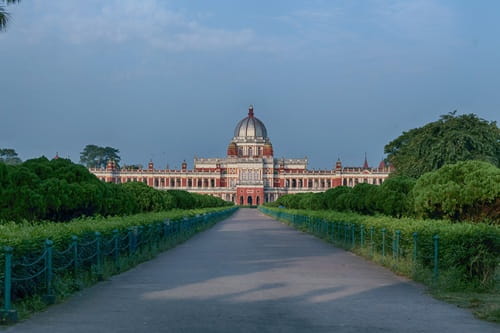
The only planned city in North Bengal’s royal heritage, Cooch Behar was historically the seat of the princely Koch kingdom from the 4th century CE through the 12th century as part of the Kamarupa Kingdom. It is also the maternal home of Maharani Gayatri Devi — considered India’s most famous queen — and was declared a Heritage Town for its exceptional concentration of royal-era palaces, temples, and architectural landmarks. The district’s crown jewel is the Cooch Behar Palace (Rajbari), modelled directly after Buckingham Palace and completed in 1887 — a European classical masterpiece standing in the foothills of the Eastern Himalayas that continues to stun first-time visitors with its unexpected grandeur.
Cooch Behar District, West Bengal — Quick Overview
| Feature | Details |
| State | West Bengal |
| District Headquarters | Cooch Behar city |
| Name Meaning | “Land of the Koches” (Koch tribe + vihara/Bihar = settlement) |
| Heritage Status | Declared Heritage Town |
| Famous For | Cooch Behar Palace (modelled on Buckingham Palace), Madan Mohan Temple, Baneshwar Shiva Temple, Rash Mela |
| Key River | Torsa |
| Distance from Siliguri | ~142 km (Bagdogra Airport) |
| Nearest Airport | Cooch Behar Airport (domestic, Kolkata flights) / Bagdogra Airport (~142 km) |
| Railway Station | New Cooch Behar Railway Station (~3.5-5 km from town) |
| Best Time to Visit | October to March (all year also viable) |
| Winter Temperature | 10°C – 20°C |
History of Cooch Behar District
Ancient Kamarupa and the Kamata Kingdom
Cooch Behar formed part of the powerful Kamarupa Kingdom from the 4th to the 12th century CE. In the 13th century, the area became part of the Kamata Kingdom, ruled by the Khens until approximately 1498 CE when they fell to the rising Koch dynasty. Sculptures, coins, and archaeological evidence unearthed from across the district testify to this ancient civilisation. The Gosanimari Rajpat area, in particular, contains the ruins of the ancient city of Kamtapur — the capital of the Kamata kingdom — with stone engravings and water supply system remains still discoverable today.
The Koch Kingdom (1498-1949)
The Koch rulers established one of the most significant regional kingdoms in northeast India, with Cooch Behar remaining their seat of power for nearly four and a half centuries. In 1661 CE, Pran Narayan’s ambitions for expansion attracted Mughal attention; Mir Jumla, the subedar of Bengal under Emperor Aurangzeb, attacked and temporarily renamed the town “Alamgirnagar,” though Pran Narayan regained his kingdom within days. By 1772-1773, Bhutanese forces attacked and briefly seized Cooch Behar before a landmark defence treaty signed on 5 April 1773 with the British East India Company drove out the invaders — the first formal treaty between the British and a northeast Indian princely state.
Maharaja Nripendra Narayan — Architect of Modern Cooch Behar
The 17th Koch dynasty monarch, Maharaja Nripendra Narayan, is widely credited as the architect of modern Cooch Behar. He commissioned the present palace in 1887, modelled after Buckingham Palace but built by a succession of Italian architects and Bengali craftsmen. His reign represented a conscious embrace of European culture and Renaissance ideals while preserving the Koch royal heritage — an ambivalence captured in the palace’s very design, which blends classical Western architecture with Indian royal sensibility.
Maharani Gayatri Devi’s Connection
Cooch Behar is the maternal home of Maharani Gayatri Devi, the third Maharani of Jaipur and arguably India’s most famous and glamorous queen — celebrated for her beauty, political career, and international recognition, including a spot on Vogue magazine’s Ten Most Beautiful Women in the World list. Her personal connections to Cooch Behar add a celebrity dimension to the district’s already rich royal heritage.
Top Attractions in Cooch Behar District
Cooch Behar Palace (Rajbari / Victor Jubilee Palace)
The undisputed centrepiece of Cooch Behar’s tourism, the palace was built in 1887 during the reign of Maharaja Nripendra Narayan in the classical Western style of Italian Renaissance design, modelled after Buckingham Palace in London. A brick-built double-storey structure covering 51,309 square feet, the entire building stands 395 feet long, 296 feet wide, and rests 4 feet 9 inches above ground — impressive statistics that only partially convey the visual impact of its arcaded verandahs, Corinthian columns, ornamental metallic dome rising 124 feet above the ground, and projected front porch leading into the elegant Durbar Hall. Protected by the Archaeological Survey of India, the palace contains numerous halls and rooms including the Dressing Room, Dining Hall, Billiard Hall, Library, and Lady’s Gallery. The palace is surrounded by beautiful gardens that add to the royal ambience and is one of the finest examples of European architecture in Bengal.
Madan Mohan Temple
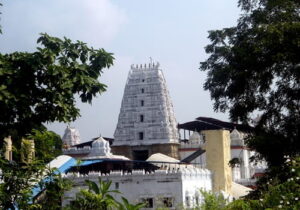
Built between 1885 and 1889 during the reign of Maharaja Nripendra Narayan and situated in the heart of Cooch Behar town, the Madan Mohan Temple is the most important religious site in the district, enshrining Madan Mohan (a form of Lord Krishna), Ma Kali, Ma Tara, and Ma Bhavani. The temple’s architecture follows the classical Bengali style with a “char chala” (four-roofed) design and “dalan-mandir” (temple with verandah) pattern, all rendered in spotless white with well-maintained gardens. The annual Rash Mela, begun by Koch rulers in 1812 to honour Lord Madan Mohan, is held at this temple complex during Kartik Purnima (November) and is the district’s most celebrated festival, attracting devotees from across India alongside eminent performing artists.
Baneshwar Shiva Temple
Located approximately 10 km north of Cooch Behar town, the Baneshwar Shiva Temple was established by Maharaja Pran Narayan in 1665, rebuilding the original temple that had been destroyed. The temple is an architectural marvel featuring beautifully painted murals on its walls. Its most distinctive feature is the Shivalinga, positioned 10 feet below the platform level — visitors must descend a flight of stairs to view it. The temple pond is the natural habitat of the Black Softshell Turtle, a critically endangered freshwater species. The turtle, known locally as “Mohan,” is considered sacred by devotees. A Shiva Mela is organised annually during Shiva Chaturdashi, drawing pilgrims from across the region.
Sagardighi
Located at the heart of Cooch Behar town near the Madan Mohan Temple area, Sagardighi — meaning “ocean-like pond,” an exaggerated but deeply felt name — was excavated by Maharaja Hitendra Narayan and remains one of the town’s most popular gathering spots. Bird lovers are particularly drawn to the dighi during winter months when migratory birds arrive in significant numbers, making it an easily accessible birdwatching destination within the town itself.
Gosanimari Rajpat
Situated approximately 30-32 km from Cooch Behar, Gosanimari Rajpat holds major historical significance as the ruins of the ancient city of Kamtapur, the capital of the Kamata kingdom. The site contains stone engravings, water supply system remains, and archaeological structures that illuminate the region’s pre-Koch dynastic history. The Kamteshwari Temple at Gosanimari is another significant religious attraction in this area.
Rasikbil Bird Sanctuary
A short drive from Cooch Behar, Rasikbil Bird Sanctuary is an excellent day-trip destination for ornithology enthusiasts, with the Forest Department having developed a rest house to accommodate the growing number of bird-watchers visiting this wetland sanctuary throughout the year.
Murti and Dooars Forests
Located approximately 113 km from Cooch Behar, the Murti area — named after the Murti River flowing down from the hills of Kalimpong — offers dense forest, wild animals, and spectacular natural scenery. The broader Dooars region accessible from Cooch Behar features sprawling lush tea gardens, dense forests, meandering mountain rivers, and wildlife sanctuaries including Jaldapara National Park and Buxa Tiger Reserve, making the district an effective gateway to North Bengal’s extraordinary natural landscape.
Temples of Cooch Behar District
| Temple | Location | Deity | Key Feature |
| Madan Mohan Temple | Heart of Cooch Behar town | Madan Mohan (Krishna), Kali, Tara, Bhavani | Built 1885-89; site of annual Rash Mela |
| Baneshwar Shiva Temple | ~10 km north of town | Lord Shiva (Ardhanarishwara) | 1665 CE; Shivalinga 10ft below platform; endangered turtle pond |
| Kamteshwari Temple | Gosanimari, ~30-32 km from town | Goddess Kamteshwari | Ancient site; Kamata kingdom capital ruins nearby |
| Siddhanath Shiva Temple | Cooch Behar district | Lord Shiva | Historically significant Shaivite shrine |
| Siddeshwari Kali Temple | Cooch Behar district | Goddess Kali Siddeshwari | Sacred Kali shrine |
| Dangar Aayee Temple | Cooch Behar outskirts | Local deity | Regional pilgrimage site |
Weather in Cooch Behar District
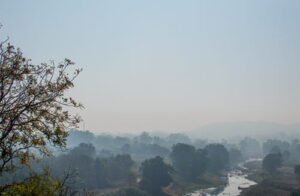
October to March — Best Time: Temperatures hover between a pleasant 10°C and 20°C, with foggy mornings and refreshing cool evenings, no rain, and ideal conditions for palace tours, temple visits, and birdwatching. November specifically brings the Rash Mela to the Madan Mohan Temple.
March to June — Summer: Progressively warmer, becoming hot and humid by June — less comfortable but manageable for sightseeing if visiting early in the day.
June to September — Monsoon: Heavy rainfall typical of North Bengal, when travel can be disrupted, though the surrounding Dooars forests and rivers are at their most lushly dramatic.
Things to Do in Cooch Behar District
Palace Heritage Walk — Spend a morning at the Cooch Behar Palace exploring its Renaissance architecture, Durbar Hall, and manicured gardens before crowds arrive.
Madan Mohan Temple and Rash Mela — Visit the temple year-round for its Bengali architectural beauty, and time a November visit for the extraordinary Rash Mela festival.
Baneshwar Shiva Temple and Endangered Turtle Pond — Combine the 1665-built temple visit with the unique experience of seeing the sacred Black Softshell Turtle in the temple pond.
Sagardighi Winter Birdwatching — Visit during November to February for migratory birds at this accessible central-town water body.
Gosanimari Archaeological Exploration — Drive 30-32 km to explore the ancient Kamtapur capital ruins and Kamteshwari Temple for pre-Koch dynasty heritage.
Dooars Day Trip — Extend the visit for a day in the Dooars forests, with Jaldapara National Park or Buxa Tiger Reserve accessible within a few hours’ drive.
How to Reach Cooch Behar District
By Air: Cooch Behar Airport connects to Kolkata domestically; Bagdogra Airport near Siliguri is the nearest major international-connecting airport, approximately 142 km away.
By Train: New Cooch Behar Railway Station (3.5-5 km from town) is well connected to major Indian cities including Kolkata, through the North Eastern Railways network.
By Road: NH 31 passes through the district, with regular NBSTC government bus services connecting Cooch Behar to West Bengal and neighbouring states including Assam and Bihar.
Conclusion
Cooch Behar district compresses North Bengal’s royal heritage into a remarkably accessible package — a Buckingham Palace-inspired Rajbari rising unexpectedly from the foothills of the Eastern Himalayas, a Krishnaite temple whose annual fair has run uninterrupted since 1812, a 17th-century Shiva temple protecting one of India’s most endangered freshwater turtles, and a gateway to the Dooars’ extraordinary tea estates and wildlife corridors. For travellers combining North Bengal’s cultural and natural offerings, Cooch Behar makes an essential and deeply rewarding stop.
FAQs About Cooch Behar District, West Bengal
Q1. What is Cooch Behar district famous for?
Cooch Behar is famous for the Cooch Behar Palace (modelled on Buckingham Palace, built 1887), the Madan Mohan Temple and its annual Rash Mela festival, the Baneshwar Shiva Temple (housing a critically endangered Black Softshell Turtle), and as the maternal home of Maharani Gayatri Devi, considered India’s most famous queen.
Q2. How did Cooch Behar get its name?
The name comes from “Koch” (the name of the Koch tribe who ruled the region) and “Behar” (derived from the Sanskrit “vihara” meaning land or settlement). Together, “Koch Behar” means “land of the Koches.”
Q3. What is the Rash Mela of Cooch Behar?
Rash Mela is the most celebrated festival in Cooch Behar, held at the Madan Mohan Temple every year during Kartik Purnima (November). Started by Koch rulers in 1812 to honour Lord Madan Mohan (a form of Lord Krishna), the fair draws pilgrims and visitors from across India alongside eminent performing artists, and is characterised by handicrafts sales, cultural performances, and devotional celebrations.
Q4. What makes the Baneshwar Shiva Temple unique?
Built in 1665 by Maharaja Pran Narayan, the Baneshwar Shiva Temple features a Shivalinga positioned 10 feet below the platform level (requiring visitors to descend stairs to view it), and its temple pond is the natural habitat of the critically endangered Black Softshell Turtle, locally called “Mohan” and considered sacred.
Q5. When is the best time to visit Cooch Behar?
October to March offers the most pleasant weather (10°C-20°C), with November being particularly significant for the Rash Mela festival and winter birdwatching at Sagardighi. The district is described as a year-round destination given its consistently manageable climate.