Is Property Lease Agreement Without Registration Legal in India?
Walk into almost any real estate broker’s office in India, and you’ll be handed the exact same document: an 11-month rent agreement. Ask why not simply sign a two-year lease that matches how long the tenant actually plans to stay, and most brokers won’t have a clear answer beyond “that’s just how it’s done.” Here’s the genuinely important detail behind this widespread practice that far too many landlords and tenants never fully understand until a dispute lands them in court: that 11-month number isn’t arbitrary tradition, it’s a deliberate legal strategy built around one specific section of a century-old law.
Here’s why understanding this genuinely matters, whether you’re renting your first flat or leasing out a property you own: an unregistered lease agreement can be entirely legal and enforceable in one scenario, and legally worthless in another, depending purely on the duration you’ve written into it. Getting this distinction wrong doesn’t just cost you registration fees you thought you were saving, it can genuinely mean losing an eviction case or rent dispute entirely, even when you’re clearly in the right.
Why the 11-Month Number Genuinely Isn’t Random
This is worth understanding precisely rather than just accepting as convention. Section 17 of the Registration Act, 1908 makes registration compulsory specifically for leases of immovable property running from year to year, exceeding one year in term, or reserving a yearly rent. Read carefully, this only catches leases genuinely exceeding twelve months, or those structured around annual rent payment.
A lease for a fixed term of one year or less, with rent reserved monthly rather than yearly, therefore genuinely falls outside this compulsory registration requirement. Landlords and tenants choose 11 months specifically because it sits comfortably below the twelve-month threshold, avoiding both mandatory registration and the higher stamp duty that longer, registered leases attract, while also letting either party renew or revise rent terms annually rather than being locked into a longer commitment.
Why an Unregistered 11-Month Agreement Is Genuinely Valid Almost Everywhere
For the vast majority of India, outside one significant exception discussed below, an 11-month rent agreement signed on proper stamp paper, left unregistered, is genuinely legal and enforceable. This isn’t a loophole or grey area, it’s precisely how the Registration Act was written, and millions of Indian tenancies operate exactly this way without any legal problem.
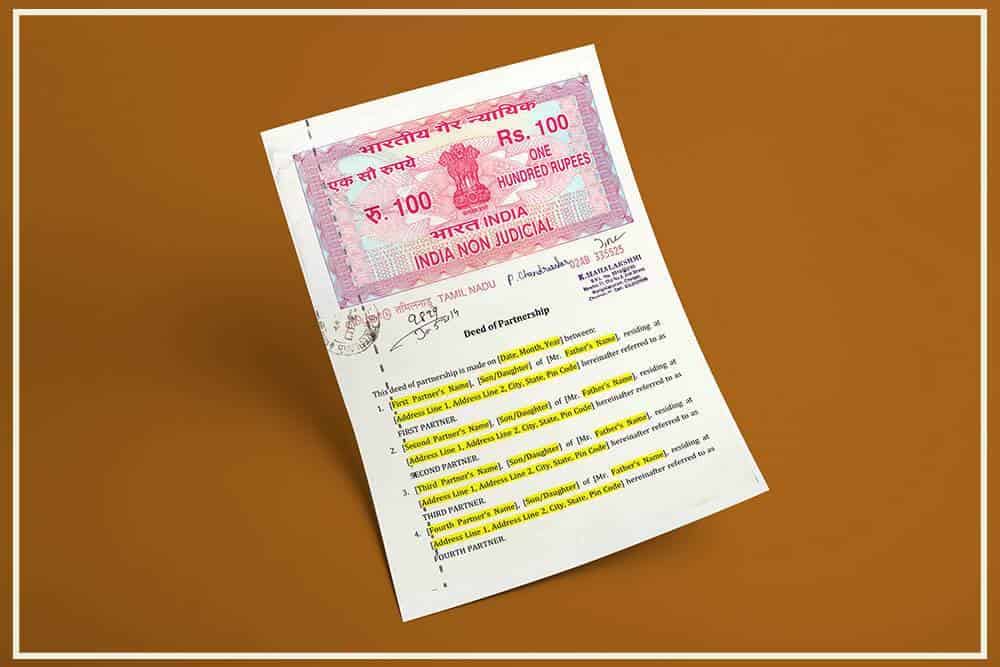
That said, “unregistered” doesn’t mean “unstamped.” Even when registration isn’t mandatory, the agreement genuinely still needs to be executed on proper non-judicial stamp paper, typically costing anywhere from ₹100 to ₹500 depending on your specific state, with stamp duty requirements governed separately under the Indian Stamp Act, 1899. Skipping this stamping requirement, even for a genuinely valid unregistered 11-month lease, creates its own separate compliance problem.
Why Mumbai and Maharashtra Genuinely Work Differently
This is the single most important exception to understand, and it catches countless landlords and tenants off guard specifically because they assume the same 11-month rule applies everywhere in India. Section 55 of the Maharashtra Rent Control Act, 1999 makes every single tenancy and leave-and-licence agreement compulsorily registrable in Maharashtra, regardless of duration, and specifically places the legal responsibility for registration on the landlord.
This means an 11-month leave-and-licence agreement in Mumbai or Pune genuinely still requires registration, unlike the identical document in Delhi or Bengaluru, and landlords who skip this requirement genuinely face penal consequences, including potential imprisonment, under state law. If you’re renting property anywhere in Maharashtra specifically, the “11-month unregistered” strategy that works elsewhere in India simply doesn’t apply, and treating it as though it does creates genuine legal exposure.
What Genuinely Happens If You Should Have Registered But Didn’t
This is where the real consequences show up, and it’s worth understanding clearly before assuming an unregistered document always protects you equally. Under Section 49 of the Registration Act, a document that legally required registration but wasn’t registered cannot be received as evidence of any transaction affecting the property, or of any right, title, or interest arising from it. In plain terms, that document genuinely cannot prove the specific terms of your tenancy in court if a dispute arises.
There’s a genuinely important nuance worth knowing though. Courts have consistently held that an unregistered document can still be used as evidence for a “collateral purpose,” proving that rent was actually paid, or that a landlord-tenant relationship genuinely existed, even when the specific contractual terms themselves can’t be enforced through that same unregistered document. This distinction has genuinely determined the outcome of real eviction and rent disputes, where a landlord’s case collapsed specifically because their agreement exceeded twelve months without registration, rendering the document unable to establish the exact terms they were relying on.
Why Notarisation Genuinely Doesn’t Solve This Problem
This is a genuinely common misconception worth correcting directly. Getting your lease agreement notarised, having a notary public attest to the signatures, does not satisfy the Registration Act’s requirements. Notarisation merely confirms that the signatures are genuine, it doesn’t create the legal registration that Section 17 mandates for longer leases. A lease that genuinely required registration remains legally treated as unregistered even after notarisation, meaning landlords sometimes discover this distinction only after their notarised, twelve-month “registered-feeling” document fails to hold up precisely as Section 49 predicts.
Frequently Asked Questions
Q1. Is my 11-month rent agreement genuinely legal if I never got it registered?
Yes, in most of India, an 11-month rent agreement with monthly rent, properly executed on stamp paper, is genuinely legal and enforceable without registration, since it falls below the Registration Act’s compulsory threshold, provided you haven’t accidentally structured it with yearly rent or a renewal clause that extends the total term beyond twelve months.
Q2. Does getting my rent agreement notarised make it legally equivalent to registration?
No, genuinely not, notarisation only confirms that the signatures on the document are authentic, it does not fulfil the Registration Act’s requirements, meaning a lease that legally required registration remains treated as unregistered even after notarisation.
Q3. What happens if my lease should have been registered but wasn’t, and I need to go to court over a dispute?
Under Section 49 of the Registration Act, the document genuinely cannot be used as evidence of the specific tenancy terms, though courts have allowed unregistered documents to be used for “collateral purposes,” such as proving rent was paid or that a landlord-tenant relationship existed, even when the exact contractual terms can’t be enforced through that document alone.
Q4. If I’m renting property in Mumbai, does the same 11-month unregistered strategy that works elsewhere in India apply to me?
No, genuinely not, Maharashtra’s Rent Control Act requires every tenancy and leave-and-licence agreement to be registered regardless of duration, placing this responsibility on the landlord, meaning the standard 11-month unregistered approach used elsewhere in India simply doesn’t apply within Maharashtra.