Is Waste Recycling Business Profitable in India?
Ask a listed recycling company how business is going, and you’ll get two genuinely different answers depending on which one you ask. One recycler shows weak returns despite decent sales, squeezed by informal competitors and falling commodity prices. Another, focused specifically on organic waste processing, posted ₹12 crore net profit on ₹30 crore sales in a single quarter, a genuinely exceptional margin most industries would envy. Same broad sector, wildly different outcomes, and understanding exactly why matters enormously if you’re weighing whether to enter this business yourself.
Here’s the genuine core question worth answering honestly: waste recycling in India isn’t uniformly profitable just because the country generates over 62 million tonnes of waste annually and environmental regulations keep tightening. Profitability genuinely depends on where in the value chain you position yourself, whether you’re competing against India’s massive informal sector, and whether you understand a principle experienced recyclers repeat constantly, you make your profit at the buying stage, not the selling stage.
Why “Buying Right” Genuinely Determines Everything Else
This is genuinely the single most important insight for anyone entering this business, and it’s counterintuitive to how most people think about profit. In recycling, your margin gets locked in the moment you acquire raw material, scrap, waste, discarded electronics, not when you sell your processed output. Since recyclable commodity prices fluctuate constantly and your selling price is largely dictated by broader market conditions you can’t control, the only genuine lever you actually control is how efficiently and cheaply you source your input material.
This explains why recyclers with strong procurement networks, reliable, long-term relationships with waste generators, aggregators, or municipal contracts, genuinely outperform those constantly scrambling for feedstock at whatever price is available that week. Poor procurement discipline is genuinely one of the quietest but most consistent reasons recycling businesses struggle despite operating in a genuinely growing sector.
Why the Informal Sector Genuinely Complicates Formal Profitability
This deserves honest treatment, since it’s the structural challenge most generic recycling guides gloss over. India’s informal kabadiwala network still handles a substantial share of plastic, e-waste, and metal collection in most regions, often offering waste generators simpler logistics and immediate cash payment that formal, compliance-heavy operators genuinely struggle to match on convenience alone.
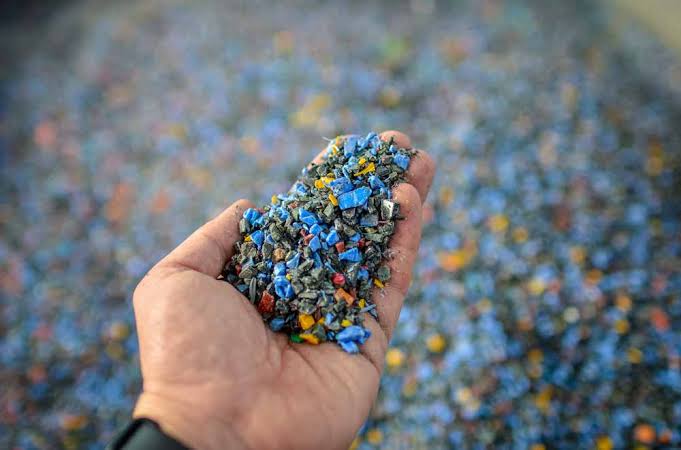
Formal, CPCB-registered processors currently recover only an estimated 25-30% of India’s total plastic waste, meaning the bulk still flows through informal channels or ends up in landfills entirely. Government policy genuinely assumes Extended Producer Responsibility mandates will steadily divert more feedstock toward formal players, but this diversion has consistently moved slower than initially projected, meaning new entrants genuinely need to build their own feedstock relationships rather than assuming EPR compliance alone will deliver a steady material supply.
Why EPR Compliance Is Genuinely the Real Profit Unlock, Not Just a Regulatory Box to Check
This is genuinely where the smartest formal recyclers separate themselves from struggling competitors. While informal operators avoid compliance costs entirely, they also can’t sign Extended Producer Responsibility contracts or supply branded FMCG companies and OEMs, precisely the high-volume, higher-margin business relationships that sustain a genuinely profitable formal recycling operation long-term.
Compliance costs money upfront, proper documentation, environmental clearances, quality certification, but it genuinely unlocks access to exactly the kind of stable, high-volume contracts that informal operators structurally cannot access regardless of how cheaply they operate. Recyclers who treat EPR registration purely as regulatory box-ticking miss this genuine strategic value entirely.
What Realistic Returns Actually Look Like
Well-managed formal recycling operations genuinely deliver net margins of 25% to 40%, with breakeven typically achieved within 6 to 18 months depending on scale and category. E-waste recycling specifically shows particularly strong potential, a properly set up operation with the right technology and consultants can realistically achieve 35% or higher ROI within the first few years of consistent operation, reflecting the genuinely high intrinsic value of recoverable materials like copper and precious metals within electronic waste.
That said, it’s genuinely worth noting the honest counterpoint from publicly listed recyclers, some companies in this sector show structurally weak returns despite meaningful revenue, precisely the pattern that emerges when a business lacks pricing power, faces intense informal competition, or gets caught holding inventory during a commodity price downturn. This isn’t a universal 25-40% guarantee, it’s what’s achievable specifically for well-managed, properly capitalised operations with genuine competitive advantages.
Why Government Subsidies Genuinely Reduce Your Formalisation Risk
The Ministry of MSME’s Scheme of Promotion and Investment in Circular Economy genuinely offers up to 25% capital subsidy on plant and machinery, capped at ₹12.5 lakh for projects up to ₹50 lakh, specifically designed to pull informal recyclers into organised, Udyam-registered operations. High-tech recyclers specifically recovering valuable minerals like lithium, copper, or nickel genuinely access even more targeted support, a 20% capex subsidy alongside incremental sales incentives of 6% to 12% over baseline performance.
This subsidy structure genuinely reflects the government’s broader strategy, using financial incentives to accelerate the shift from India’s dominant informal recycling economy toward compliant, trackable, formal operations, exactly the direction any new entrant should genuinely be building toward rather than trying to compete purely on informal-sector economics.
Frequently Asked Questions
Q1. Why do some recycling businesses in India genuinely struggle despite operating in a growing, high-demand sector?
Weak procurement strategy is genuinely the most common cause, businesses that don’t secure reliable, cost-effective feedstock sourcing relationships struggle to maintain margins when commodity prices fall, since profit in recycling is locked in at the buying stage rather than the selling stage.
Q2. Is it genuinely worth pursuing formal EPR compliance given the extra cost involved, or should I just compete like the informal sector?
Formal compliance genuinely unlocks access to high-volume EPR contracts and branded corporate clients that informal operators structurally cannot access, meaning the upfront compliance cost genuinely pays for itself through more stable, higher-value business relationships over the long term.
Q3. Which recycling category genuinely offers the strongest realistic ROI for a new entrant in India?
E-waste recycling genuinely shows the strongest documented potential, with properly capitalised, compliant operations reaching 35% or higher ROI within a few years, reflecting the high intrinsic value of recoverable copper and precious metals within electronic waste compared to lower-value commodity categories like basic plastic.
Q4. How much can government subsidies genuinely reduce my capital investment when formalising a recycling business?
The Scheme of Promotion and Investment in Circular Economy genuinely offers up to 25% capital subsidy on plant and machinery for standard operations, capped at ₹12.5 lakh, with even higher support available for high-tech recyclers specifically recovering valuable minerals like lithium or copper.