Nagaon District, Assam: Kaziranga, Laokhowa, History, Temples & Travel Guide
Nagaon sits at the geographic centre of Assam — and, as its promoters sometimes note, at the centre of the entire northeastern region. Since this was a newly organised village system in the 17th century under Ahom reorganisation, the district was called “Nagaon” — ‘Na’ meaning “new” and ‘gaon’ meaning “village.” The district was established as a separate administrative unit in 1832, and Nagaon district comprised the present Nagaon and Morigaon districts until 1989, when the Morigaon district was separated as a distinct district.
Nagaon happens to be one of the most populous districts of Assam and is also known as the Rice Bowl. The Kolong River, a tributary of the Brahmaputra, flows through the town. But Nagaon’s single most significant claim to international attention is geography — Nagaon houses the Kaziranga National Park, which is known all over the world for successful conservation of the Great One Horned Rhinoceros. Kaziranga sits partly within Nagaon district and partly in Golaghat, and is the UNESCO World Heritage Site that put Assam on the global wildlife map.
Beyond Kaziranga, Nagaon is a district of temple rivers, ancient forts, Ahom-era heritage, migratory birds, and waterfalls set in the hills at its southern edge. The Maha Mrityunjay Temple — a newly constructed structure with a 126-feet-tall Shivalinga, reportedly the world’s largest — is located about 12 km from Nagaon Town. The district carries the birthplace of Mahapurush Srimanta Sankardeva — the 15th-century saint-scholar who transformed Assamese religious and cultural life. It holds the headquarters of the former Ahom kingdom’s Barphukans. And its wetlands in winter become one of Assam’s most rewarding birdwatching landscapes.
Nagaon District, Assam — Quick Overview
| Feature | Details |
| State | Assam |
| District Headquarters | Nagaon town (also known as Nowgong) |
| District Formed | 1832 (one of Assam’s oldest administrative districts) |
| Area | ~3,831 sq km |
| Location | Central Assam; geographic heart of Northeast India |
| Borders | Brahmaputra River & Sonitpur (N), Karbi Anglong (S), East Karbi Anglong & Golaghat (E), Morigaon (W) |
| Famous For | Kaziranga National Park (UNESCO), Laokhowa Wildlife Sanctuary, Bordowa (Sankardeva birthplace), Maha Mrityunjay Temple |
| Also Known As | Rice Bowl of Assam |
| Key Rivers | Kolong (Brahmaputra tributary); Brahmaputra forms northern border |
| Nearest Airport | Lokpriya Gopinath Bordoloi International Airport, Guwahati (~120 km west) |
| Railway Station | Nagaon Railway Station (NGC); Chaparmukh Junction (28 km) |
| Best Time to Visit | October to April |
| Summer Temperature | 25°C – 38°C |
| Winter Temperature | 8°C – 22°C |
| Languages Spoken | Assamese (primary), Bengali, Bodo, Tiwa, Hindi |
History of Nagaon District
1. Ancient Roots — Doboka Kingdom and Tiwa Legacy
The Doboka area, located 34 km southeast of Nagaon, was the seat of the ancient Doboka kingdom — mentioned in the Allahabad inscription of the Gupta Emperor Samudragupta (4th century CE), according to some historians, suggesting the region’s political significance extends at least 1,600 years. Jugijan, situated at about 6 km from Hojai, has become well known after the recent discovery of remnants of a fort and three stone temples decorated with carvings and base-reliefs. Seven Shiva Lingas have also been excavated and preserved here. An 11th century idol of Chamunda has been discovered at Navanga village, 2 km from Jugijan.
The Tiwa (Lalung) people — one of Assam’s major indigenous communities — have deep roots in the western Nagaon area. The legendary warrior king Jungal Balahu, son of the Tiwa king Arimatta, set up a temporary capital in the district to fight invaders and constructed a high embankment overnight. A statue of the great Tiwa king Jungal Balahu was recently erected at Jongal Bolohu Garh and is now another attraction for tourists.
2. Ahom Period — Barphukans and Kaliabor
The Ahom kingdom’s administrative reach across central Assam made Nagaon central to the political organisation of the medieval and early modern state. Kaliabor, the sub-division town situated at a distance of 48 km east of Nagaon, was initially the headquarters of the Barphukans during the Ahom days. It was also the scene of several battles against the Muslim invaders. The Barphukans were among the most powerful officers of the Ahom state, responsible for western Assam’s defence.
The Ahom king Pramatta Singha (1744–1751) commissioned the Hatimura temple — a Shaktipith dedicated to Goddess Mahishamardini — which was built in 1745 AD. Located about 60 km from Nagaon on the bank of the mighty Brahmaputra, it provides a rare glimpse into the Ahom Kingdom and its legacy.
3. Sankardeva — Bordowa and the Neo-Vaishnavite Movement
The most culturally significant historical connection of Nagaon district is its association with Mahapurush Srimanta Sankardeva (1449–1568), the great saint-scholar-reformer who transformed Assamese religious, cultural, literary, and artistic life. Bordowa, the birthplace of the great artist Mahapurush Srimanta Sankardeva, is located in the proximity of Nagaon. Sankardeva founded the Ekasarana Dharma — a neo-Vaishnavite devotional movement that rejected caste distinctions, spread literacy in Assamese, created the Sattra system (Vaishnavite monastic institutions), and established Borgeet devotional music and Bhaona drama as the cornerstones of Assamese cultural identity. His influence on Assam is comparable to that of Tukaram in Maharashtra or Chaitanya in Bengal. Bordowa, about 30 km from Nagaon, draws Sankardeva devotees from across Assam and beyond.
4. British Period and District Formation
Nagaon was constituted as a separate district administrative unit in 1832 under the British, one of the earliest district formations in Assam. An old district which dates back to 1833, it is Assam’s second most populous district, which probably prompted its old British administrators to jocularly describe Nagaon as a district of 3 c’s… chickens, children and cases.
Top Attractions in Nagaon District
1. Kaziranga National Park (UNESCO World Heritage Site)
The single most internationally known attraction associated with Nagaon district, Kaziranga straddles the border between Nagaon and Golaghat districts. A UNESCO World Heritage Site since 1985, Kaziranga is the most successful conservation story for the Indian one-horned rhinoceros anywhere in the world — from fewer than 20 animals in the early 20th century to over 2,600 today.
The park’s landscape of tall elephant grass, dense forests, and wetlands on the Brahmaputra floodplain supports not only rhinos but also elephants, tigers (one of the highest densities in India), Asiatic wild buffalos, swamp deer, hog deer, and over 480 bird species. Jeep safaris and elephant-back safaris operate from multiple ranges — the Western Range (Bagori) and Central Range (Kohora) are the most popular and conveniently located. The best wildlife viewing is from November to April, before the monsoon floods that are the park’s annual ecological reset. The park is closed from June to October during the flood season.
2. Laokhowa Wildlife Sanctuary
The Laokhowa Wildlife Sanctuary is situated at Laokhowa, covering an area of 70 sq km at a distance of 25 km from Nagaon town. Its main attraction is the Great Indian One Horned Rhinoceros. Other animals include tigers, leopards, Asiatic buffalos, wild boar, civet cat, and hog deer, along with various species of birds and reptiles. Laokhowa functions as an important buffer habitat for the Kaziranga-Laokhowa-Burachapori elephant corridor — one of the most significant wildlife corridors in Assam.
3. Maha Mrityunjay Temple — World’s Largest Shivalinga
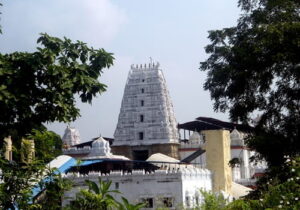
The Maha Mrityunjay Temple is a Hindu temple dedicated to Lord Shiva situated at Verberi Gosaingaon, Nagaon. Newly constructed and completed in February 2021, the temple features a 126-feet-tall Shivalinga, reportedly the world’s largest. Approximately 12 km from Nagaon town, the temple has attracted significant attention since its completion and draws large numbers of Shiva devotees from across Assam. The scale of the structure — a Shivalinga over 38 metres tall — is genuinely impressive as an architectural statement of devotional ambition.
4. Bordowa — Birthplace of Sankardeva
The village of Bordowa, approximately 30 km from Nagaon town, is the most sacred site in the district for devotees of Srimanta Sankardeva’s neo-Vaishnavite tradition. The birthplace of the saint-reformer is marked by a temple complex and a Sattra that serves as a centre of Borgeet music, Bhaona performance, and Ekasarana dharma teaching. Pilgrims from across Assam make the journey to Bordowa, particularly during the Janmasthami festival season.
5. Silghat — Brahmaputra River Port and Kamakhya Temple
Silghat, situated at a road distance of almost 50 km from Nagaon, is a vital and picturesque river port lying on the south bank of the mighty Brahmaputra. Pre-communication links of Central Assam across the Brahmaputra are maintained through this port town. Besides, playing host to the Assam Co-operative Jute Mill, Silghat also has several temples to enthrall visitors. A big Samantagiri hillock draws big crowds from everywhere.
The Silghat Trishuldhari temple dedicated to Lord Shiva is situated on the southern bank of the Brahmaputra River. The major attraction of the temple is the fact that it is 2000 years old. The temple gives a panoramic view of the river Brahmaputra. Not to be confused with the famous Guwahati Kamakhya Temple, the Kamakhya Temple situated at Silghat on the bank of the Brahmaputra is also a significant religious site of the district.
6. Hatimura — Shakti Temple on the Brahmaputra
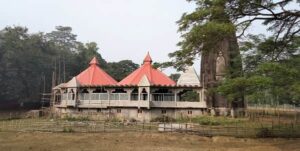
Located about 60 km from Nagaon via Jakhalabandha, Hatimura is a beautiful place full of natural beauty with hills on the river bank of the mighty Brahmaputra. It is famous for the Hindu Shaktipith of Goddess Mahishamardini, which was built during the reign of Ahom king Pramatta Singha in 1745 AD. The hilltop setting on the Brahmaputra bank, the Ahom-era temple, and the natural beauty of the landscape make this an excellent destination for both pilgrims and nature lovers.
7. Pokhi Tirtha and Samaguri Beel — Birdwatching Wetlands
For birdwatchers, Pokhi Tirtha is a must-visit place as it has thousands of migratory birds coming from all across the world during the winters. Pokhi Tirtha is located at Samaguri Grant, approximately 16 km east of Nagaon town — a wetland known for sheltering various migratory birds that arrive during the winter. The Samaguri Beel itself is a significant wetland at about 25 km from Nagaon town, important for both birdlife and fishing communities.
8. Champawati Kunda (Chapnalla Falls)
Hodhodi, a natural waterfall in Lung Chung, is a place of attraction to visitors. It is a beautiful spot for picnicking surrounded by tea gardens and a small range of hills around it, with scenic beauty and panoramic views magnificent. It is located about 35 km from Nagaon via Samaguri.
Also known as the Chapnalla Falls, Champawati Kunda is a magnificent waterfall located at Chapnalla in the Nagaon District of Assam. Located alongside NH 36 and NH 37 on the Tezpur–Nagaon–Dimapur road, Champawati Kunda is close to the Kaliabor sub-division town at a distance of 48 km east of Nagaon. The best season to visit is October to February.
9. Kaliabor — Ahom History on the Brahmaputra
Kaliabor, the sub-division town at 48 km east of Nagaon, was the headquarters of the Barphukans during the Ahom days and the scene of several battles against the Muslim invaders. Today it is a river town with historical associations and serves as a convenient stop on the Nagaon–Kaziranga route.
10. Jugijan Fort and Temples
Jugijan, situated at about 6 km from Hojai, has become well known after the recent discovery of remnants of a fort and three stone temples decorated with carvings and base-reliefs. Seven Shiva Lingas have also been excavated and preserved here. The site represents early medieval temple architecture in central Assam.
Temples and Religious Sites of Nagaon District
| Site | Location | Deity / Tradition | Key Feature |
| Maha Mrityunjay Temple | Verberi Gosaingaon, ~12 km from Nagaon | Lord Shiva | Completed 2021; 126-foot Shivalinga, reportedly world’s largest |
| Silghat Trishuldhari Temple | Silghat, Brahmaputra bank | Lord Shiva | Believed 2000 years old; panoramic Brahmaputra views |
| Silghat Kamakhya Temple | Silghat area | Goddess Kamakhya | Significant Shakti temple; not to be confused with Guwahati Kamakhya |
| Hatimura Shakti Temple | Hatimura, ~60 km from Nagaon | Goddess Mahishamardini | Built 1745 by Ahom king Pramatta Singha; hilltop Brahmaputra setting |
| Bordowa Temple Complex | Bordowa, ~30 km from Nagaon | Lord Vishnu / Sankardeva tradition | Birthplace of Mahapurush Srimanta Sankardeva; major Vaishnavite pilgrimage |
| Jugijan Temples | Jugijan, near Hojai | Lord Shiva | Recently excavated; ancient stone temples with carved panels; 7 Shivalingas |
| Nagaon Kala Mandir & Shiva Temple | Nagaon town | Lord Shiva | Major religious centre of the town; active pilgrimage site |
| Puranidugam Durga Temple | Nagaon town area | Goddess Durga | Important local Durga temple; major Durga Puja celebrations |
Weather in Nagaon District — Season by Season
Nagaon has a humid subtropical climate typical of the Brahmaputra valley — warm and humid with intense monsoon rainfall and mild winters.
1. October to April — Best Time to Visit
The recommended period. October and November bring post-monsoon clarity with the landscape brilliantly green and the temperatures comfortable (18–28°C). November to February is the window for migratory birds at Pokhi Tirtha, Samaguri Beel, and for optimal Kaziranga wildlife viewing. December and January can be quite cool (8–14°C at night). February and March see warming weather but remain comfortable. April is the month of Bihu — Assam’s most important cultural festival — celebrated with music, dance, and community gatherings.
2. November to April — Kaziranga Season
The national park operates from November 1 (approximately) to May 31, closing completely from June through October when monsoon floods inundate the park. The best wildlife density viewing is from December to April as water recedes and animals concentrate.
3. June to September — Monsoon
Nagaon receives heavy monsoon rainfall. Kaziranga closes. The Kolong River and Brahmaputra swell dramatically. Champawati Kunda waterfall is at its most spectacular. The district’s agricultural landscape transforms into an intensely green paddy panorama. Temple visits and town-based activities remain accessible.
Things to Do in Nagaon District (2026)
Safari at Kaziranga — Book jeep safaris through the Forest Department or certified operators. The Western Range (Bagori) and Central Range (Kohora) offer the best rhino and elephant sightings. Elephant-back safaris at dawn are particularly memorable. Arrive at the entrance before opening time (typically 6 AM) to maximise the morning wildlife window.
Visit Bordowa for Sankardeva’s Birthplace — A meaningful pilgrimage and cultural stop for anyone interested in Assamese civilisation. The Sattra complex at Bordowa is a living repository of Borgeet music and Bhaona performance traditions.
See the Maha Mrityunjay Shivalinga — The 126-foot Shivalinga at Verberi Gosaingaon (12 km from Nagaon) is a striking new addition to the religious landscape. Monday mornings draw the largest devotional crowds.
Silghat Brahmaputra Experience — The river port at Silghat, with its 2,000-year-old Shiva temple on the riverbank and the panoramic view of the Brahmaputra in full flow, is a genuinely distinctive experience. The river here is wide, powerful, and visually overwhelming.
Birdwatch at Pokhi Tirtha — Plan a winter morning visit to Samaguri Grant / Pokhi Tirtha for migratory bird viewing. A local guide familiar with the beel is recommended for species identification.
Attend Bihu in April — If visiting in the first two weeks of April, the Rongali Bihu (spring Bihu) is Assam’s most joyful cultural event — music, Bihu dance, community gatherings, and traditional food. Nagaon’s celebrations are among the most authentic outside Guwahati.
Champawati Kunda Waterfall Trip — Best from October to February. The falls near Kaliabor sub-division make a good combined stop with the historic Barphukan headquarters area.
How to Reach Nagaon District
By Air: Lokpriya Gopinath Bordoloi International Airport in Guwahati is approximately 120 km west of Nagaon town — a 2.5 to 3 hour drive. Jorhat Airport is approximately 130 km east and is used for visitors coming from the Kaziranga direction.
By Train: Nagaon Railway Station (NGC) is connected to Guwahati, Dibrugarh, and other Assam cities. The Lumding–Guwahati mainline provides connections to most Indian cities. Chaparmukh Junction, 28 km from Nagaon, is an important junction.
By Road: NH 27 (previously NH 37) is the main highway connecting Nagaon to Guwahati (approximately 2 hours) and onward to Jorhat and Kaziranga. ASTC and private buses connect Nagaon to Guwahati regularly.
Practical Tips for Visit2ors (2026)
- Kaziranga bookings: Jeep safari slots book quickly for weekends in peak season (December–March). Book at least a week ahead through official channels or reputable operators.
- Kaziranga is closed June to October — confirm park status before planning a visit that overlaps with the monsoon.
- Carry mosquito repellent throughout — the Brahmaputra basin wetlands have significant mosquito activity from evening onwards.
- Assamese is the primary language; basic Assamese phrases are appreciated by locals. Most Kaziranga safari staff speak adequate English.
- The drive from Guwahati to Nagaon passes through scenic Brahmaputra floodplain country — allow time and don’t rush the journey.
Conclusion
Nagaon is a district that anchors Assam’s identity from multiple directions — geographically as the state’s centre, ecologically as the gateway to Kaziranga, culturally as the district where Sankardeva was born, historically as an Ahom administrative heartland, and spiritually as a landscape dotted with ancient temples from the Brahmaputra bank to the Karbi Anglong foothills. The Brahmaputra itself — wide, unpredictable, vital — defines the district’s northern edge and gives it a character that no other Indian river quite replicates. Understanding Assam properly means spending time in Nagaon.
FAQs About Nagaon District, Assam
Q: What is Nagaon famous for?
A: Nagaon is most widely known as the gateway district for Kaziranga National Park — the UNESCO World Heritage Site famous for the Indian one-horned rhinoceros. The district is also known as the Rice Bowl of Assam, as the birthplace of the saint-reformer Srimanta Sankardeva (at Bordowa), for the Laokhowa Wildlife Sanctuary, and for the newly constructed Maha Mrityunjay Temple with its world’s-largest-claimed 126-foot Shivalinga.
Q: Is Kaziranga in Nagaon district?
A: Kaziranga National Park straddles the border between Nagaon and Golaghat districts. Significant portions of the park, including some safari ranges, fall within Nagaon district.
Q: Who was Srimanta Sankardeva and why is he important to Nagaon?
A: Srimanta Sankardeva (1449–1568) was a saint-scholar-reformer born in Bordowa village in present-day Nagaon district. He founded the Ekasarana Dharma, a neo-Vaishnavite devotional movement that abolished caste distinctions in worship, promoted literacy, and created the Sattra monastic system, Borgeet devotional music, and Bhaona theatre. He is the single most important figure in Assamese civilisation and culture.
Q: When is the best time to visit Nagaon district?
A: October to April is the recommended period. November to February is the peak window for Kaziranga safaris and birdwatching at Pokhi Tirtha and Samaguri Beel. April is Bihu season — the most important cultural festival period in Assam.
Q: What is the Maha Mrityunjay Temple?
A: The Maha Mrityunjay Temple at Verberi Gosaingaon, approximately 12 km from Nagaon town, was completed in February 2021. It houses a 126-foot (approximately 38-metre) tall Shivalinga dedicated to Lord Shiva, claimed to be the world’s largest. The temple draws large numbers of devotees from across Assam, particularly on Mondays and during Shivratri.