Is LED Bulb Manufacturing Business Profitable in 2026?
Every Indian household has switched to LED bulbs over the past decade, government-driven UJALA schemes and simple economics made this transition practically mandatory, cutting electricity bills while lasting years longer than the old incandescent bulbs they replaced. What most people don’t realise is how much manufacturing genuinely happens right here in India to meet this demand, and how a modest, home-based assembly operation can genuinely compete alongside established brands like Havells and Crompton for a slice of this steadily expanding market.
Here’s why this genuinely matters if you’re weighing this business in 2026: India’s LED lighting market, valued at roughly $12.54 billion and growing at over 8% annually, isn’t a temporary trend, it’s structurally embedded in the country’s energy efficiency policies and smart infrastructure development for decades to come. Understanding exactly where the genuine profit sits, in basic bulb assembly, full manufacturing, or the more specialised chip production upstream, determines whether you enter at the right level for your capital and expertise.
What Genuine Profit Margins Actually Look Like
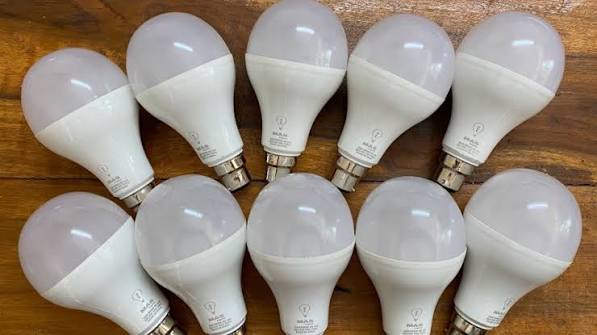
LED bulb manufacturing in India genuinely delivers profit margins between 20% and 40%, depending heavily on product quality, your specific market positioning, and how efficiently you manage raw material costs. A real example from an operating LED bulb assembling unit in Tamil Nadu genuinely illustrates this well, producing up to 2,000 bulbs daily and generating monthly sales of ₹7 lakh at a 25% profit margin, a genuinely solid, sustainable return for a relatively modest operation.
Larger, full-scale manufacturing plants show a somewhat stronger picture, with gross margins typically ranging between 30% and 40%, and net profit margins settling around 10% to 15% once you account for the full operational cost structure. This gap between gross and net margin genuinely matters, since it reflects the real overhead, utilities, labour, depreciation, that eats into your headline profit figure once the business is actually running day to day.
Why Raw Material Costs Genuinely Dominate Your Profitability
This is genuinely the single most important operational reality to understand before committing capital. LED chips specifically account for approximately 70% to 80% of your total operating expenses, meaning your entire profitability genuinely hinges on securing competitively priced, quality chip supply rather than any other single business decision.
This concentration creates a genuine vulnerability too, chip price fluctuations directly squeeze your margins regardless of how well everything else in your operation runs. This is precisely why established players increasingly backward-integrate into driver and PCB assembly themselves, producing more of their own components rather than purchasing everything externally, specifically to shield their margins from commodity chip price swings they can’t otherwise control.
Choosing Between Assembly, Full Manufacturing, and Chip Production
This decision genuinely shapes both your entry investment and your realistic margin ceiling. A basic LED bulb assembly business, purchasing components and assembling finished bulbs, genuinely offers the most accessible entry point, some entrepreneurs report starting with as little as ₹15,000 for a genuinely small-scale, home-based operation, though a more serious assembly unit with proper equipment and working capital typically requires investment scaling into several lakhs or more as you grow.
Full manufacturing, producing bulbs from more fundamental components rather than purely assembling pre-made parts, typically requires ₹10 lakh to ₹1 crore depending on your production capacity, but genuinely commands the stronger 20-40% margin range discussed earlier. LED chip manufacturing itself, the most upstream, technically demanding segment, genuinely delivers the highest margins in this entire value chain, 40% to 50% gross margins with 15% to 20% net margins, but this segment demands considerably more specialised technical expertise and capital than most entrepreneurs entering this space genuinely possess.
Why BIS Certification Genuinely Isn’t Optional
This is a compliance step that genuinely cannot be skipped or treated casually. Bureau of Indian Standards certification is mandatory for LED bulbs sold in India, and operating without it genuinely exposes you to serious legal and market access risk, since most legitimate distributors and retailers simply won’t stock uncertified products. Beyond BIS certification, you’ll also need clearances from your state Pollution Control Board and a proper factory licence if you’re establishing dedicated manufacturing premises.
Getting this compliance sorted early, rather than treating it as a formality to handle later, genuinely protects your ability to actually sell through established distribution channels and participate in the government tenders that represent a genuinely significant revenue opportunity within this sector, particularly given ongoing Smart Cities infrastructure projects and highway modernisation programmes actively specifying LED lighting solutions.
Why Government Schemes Genuinely Tilt the Economics in Your Favour
This is genuinely worth understanding as a structural tailwind rather than a minor bonus. Subsidy schemes like UJALA, alongside Production Linked Incentive programmes specifically targeting domestic manufacturing, genuinely lower device prices for consumers while simultaneously stimulating local manufacturing investment, creating demand growth that benefits manufacturers positioned to capture it. MSME-specific schemes also genuinely provide accessible financing and support pathways for smaller entrants who might otherwise struggle to access the capital this business requires.
This policy backing matters considerably more in LED manufacturing than in many other product categories, since the entire sector’s growth trajectory is genuinely tied to India’s broader energy efficiency and smart infrastructure goals, meaning the demand side of this business isn’t purely dependent on consumer discretionary spending the way many other manufactured products are.
Where the Genuine Growth Opportunities Sit Right Now
Beyond basic residential bulbs, several adjacent segments genuinely offer stronger margins and considerably less price-based competition. Smart lighting, occupancy sensors, app-based controls, and building management system integration, represents a genuinely high-growth premium segment commanding significant price advantages over commodity products. Highway and roadway lighting, expanding rapidly on the back of Smart Cities initiatives and highway modernisation, also genuinely offers manufacturers stronger margin resilience through specification-heavy tender processes that reward technical capability over pure price competition.
Frequently Asked Questions
Q1. How much capital do I genuinely need to start a small LED bulb assembly business in India?
A very basic, home-based assembly operation can genuinely start with as little as ₹15,000, though a proper small-scale unit with reliable equipment and adequate working capital typically requires investment in the range of several lakhs to operate at a genuinely sustainable production volume.
Q2. Why do LED chip prices genuinely have such a big impact on my overall profitability?
LED chips typically account for 70% to 80% of total operating costs in this business, meaning even modest fluctuations in chip pricing directly and significantly affect your margins, which is why many established manufacturers work to secure stable supply relationships or backward-integrate into component production themselves.
Q3. Is BIS certification genuinely mandatory, or can I sell uncertified LED bulbs to save costs initially?
BIS certification is genuinely mandatory for LED bulbs sold in India, and skipping it isn’t a viable cost-saving shortcut, since most legitimate distributors and retailers won’t stock uncertified products, effectively locking you out of credible sales channels regardless of your product quality.
Q4. Which segment of LED manufacturing genuinely offers the strongest margins for someone with limited technical expertise?
Basic assembly and full bulb manufacturing genuinely offer the most accessible entry points with solid 20-40% margins, while LED chip manufacturing delivers the highest margins in the value chain but demands considerably more specialised technical expertise and capital investment than most first-time entrepreneurs genuinely possess.