Chikkaballapur District, Karnataka: Top Attractions, History, Temples, Weather & Things to Do
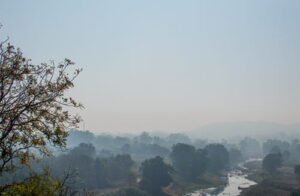
Sixty kilometres north of Bengaluru, past the tollbooths and the exit lanes of Devanahalli, the landscape quietly transforms. The flat urban sprawl gives way to a ring of rocky hillocks, dry deciduous scrub, and occasional rose plantations dotting the countryside. This is Chikkaballapur — a district most people recognize as “the place before Nandi Hills” but which holds far more than that single headline attraction.
Carved out of Kolar district in 2007, Chikkaballapur sits at the intersection of Karnataka’s ancient temple heritage, Tipu Sultan’s military history, Mahabharata mythology, and some of the best trekking terrain within easy reach of a major Indian city. Trekkers, pilgrims, history enthusiasts, and weekend escapees from Bengaluru all arrive here with very different agendas — and all find something worth the drive.

Chikkaballapur District — Quick Overview
|
Feature |
Details |
|
Location |
60 km north of Bengaluru, Karnataka |
|
District Formed |
2007 (carved from Kolar district) |
|
Borders |
Kolar (SW), Bengaluru Rural (S), Tumkuru (W), Andhra Pradesh (N) |
|
Also Known As |
Panchagiri — Land of Five Hills |
|
Famous For |
Nandi Hills, Skandagiri trek, Bhoga Nandeeshwara Temple, Sir M. Visvesvaraya |
|
Nearest Airport |
Kempegowda International Airport, Bengaluru (~25 km) |
|
Nearest Railway Station |
Chikkaballapur Railway Station |
|
Best Time to Visit |
October to March |
|
Summer Temperature |
22°C – 40°C |
|
Winter Temperature |
15°C – 28°C |
|
Languages Spoken |
Kannada (primary), Telugu, Tamil |
|
Key Taluks |
Chikkaballapur, Gudibande, Bagepalli, Gauribidanur, Chintamani, Sidlaghatta |
A Brief History of Chikkaballapur
The region’s history doesn’t begin with any single ruler — it accumulates across centuries of dynastic change. Local chieftains held the valley first, building mud-and-stone fortifications across the hilltops that ringed the settlement. The Ganga dynasty, the Hoysalas, and later the Vijayanagara Empire each left their mark on the landscape — most visibly in the temple architecture that survives to this day.
The Marathas played a significant role in the town’s early identity. Chintamani, one of the district’s major towns, was named after the Maratha chieftain Chintamani Rao and grew into a thriving centre of gold, silver, and incense trade under Maratha influence.
Tipu Sultan and his father Hyder Ali transformed Nandi Hills — earlier known as Nandidurga — from a local feudatory fort into a twin-fort complex and made it their summer retreat. When Tipu fell in 1799, the British moved in, built garden bungalows on the hilltops, and converted Nandi into a colonial-era hill station. The guest house they left behind, Nehru Nilaya, later hosted the Second SAARC Summit in 1986.
Chikkaballapur also carries deep Mahabharata associations. The town of Kaivara is believed to be the ancient Ekchakrapura — the place where the Pandavas lived incognito during their exile. Bhima is said to have killed the demon Bakasura here, who had been tormenting local people. The connection is celebrated and embedded in the local temple landscape to this day.
The district was formally constituted in 2007, separated from Kolar, and is sometimes called Panchagiri for the five prominent hillocks — Nandi Giri, Chandra Giri, Skandagiri, Brahma Giri, and Hema Giri — that define its geography.
The most celebrated personality from Chikkaballapur is Bharat Ratna Sir M. Visvesvaraya, born in Muddenahalli village — the engineer and statesman who shaped modern Karnataka’s infrastructure and remains one of India’s most respected technocrats.
Top Attractions in Chikkaballapur District
Nandi Hills (Nandidurga)
This is the one everybody knows, and for good reason. Sitting at 1,478 metres above sea level and just 10 km south of Chikkaballapur town, Nandi Hills offers a combination of historical depth, natural beauty, and sheer scenic drama that few day-trip destinations in South India can match.
The fort at the top was expanded by Hyder Ali and Tipu Sultan from an older local fortification. Tipu’s Drop — a 600-metre cliff on the southwest edge — is where prisoners condemned to death were reportedly pushed during Tipu’s reign. It remains one of the most visited viewpoints on the hill, and the story gives the place a weight that the sunrise crowds don’t entirely dilute.
The Yoganandeeshwara Temple on the hilltop was built in the Dravidian and Chola styles of architecture. Idols of Dwarapalakas within are said to have been donated by Krishnadevaraya of the Vijayanagara Empire — a detail that places this hilltop temple squarely within medieval South Indian royal patronage. Paragliding has also returned to Nandi Hills in recent years following strong demand from adventure tourists.
Skandagiri — The Night Trek Above the Clouds
Skandagiri, also known as Kalavara Durga, is the most famous night trek in Karnataka and arguably in all of peninsular India. The summit stands at 1,450 metres and sits just 3 km from Chikkaballapur town — which makes it absurdly accessible for something that delivers such a raw, memorable experience.
What sets Skandagiri apart from every other sunrise trek near Bengaluru is the atmospheric inversion. On clear winter mornings from October to February, cold air settles overnight into the Chikkaballapur valley and forms a dense cloud blanket below the treeline. Trekkers who reach the summit before dawn find themselves standing above the clouds on an island of rock, watching the sunrise paint an entirely cloud-filled valley below. No daytime trek replicates that.
The fort at the summit was built under Hyder Ali and Tipu Sultan and abandoned in 1791 after Tipu’s defeat in the Anglo-Mysore War. Crumbling walls, a gateway arch, and scattered stone structures remain — sitting beside an ancient Shiva temple that has survived far better than the fortifications around it. The combination of ruin and reverence at 1,450 metres, before sunrise, is something genuinely difficult to describe without cliché.
The trek is 8 km round trip, rated moderate, and completable in five to six hours. Permits are mandatory and must be booked in advance through Karnataka Eco-tourism’s official website. The trail begins at Papagni Mutt at the base of the hill.
Bhoga Nandeeshwara Temple — Nandi Village
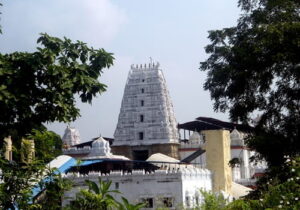
At the foothills of Nandi Hills, in Nandi village, sits one of Karnataka’s finest surviving examples of Dravidian temple architecture. The Bhoga Nandeeshwara Temple was constructed around 806 AD by Rathnavalli of the Bana Dynasty — making it over 1,200 years old — and has been added to and renovated by successive dynasties including the Gangas, the Hoysalas, and the Vijayanagara Empire.
The complex is not one temple but effectively a cluster — different shrines from different centuries standing in the same enclosure, each layer reflecting the architectural language of the dynasty that commissioned it. The result is a visual timeline of South Indian temple building compressed into one walled compound. Richly carved stone pillars, intricate sculptures narrating episodes from Hindu mythology, and a perennial water tank make this as much a work of architecture as a place of worship.
Dedicated to Lord Shiva (as Bhoga Nandeeshwara), the temple remains an active pilgrimage site. It is most crowded during Shivaratri and the annual Brahmotsavam festival. Visitors interested in temple art and Dravidian architecture will find it more rewarding than Nandi Hills’ more famous viewpoints.
Muddenahalli — Birthplace of Sir M. Visvesvaraya
A few kilometres from Nandi Hills, the quiet village of Muddenahalli carries an outsized historical significance. This is the birthplace of Sir Mokshagundam Visvesvaraya, the engineer, statesman, and planner who served as Diwan of Mysore, designed the flood protection system for Hyderabad, and is credited with building modern Karnataka’s infrastructural backbone. He was awarded the Bharat Ratna in 1955 and is commemorated on Engineers’ Day on September 15 each year — his birthday.
His ancestral home has been converted into a heritage museum preserving personal artefacts, engineering plans, photographs, and documents from his remarkable career. The museum is modest in scale but rich in content. It is the kind of place that rewards slow reading. His tomb is also located in Muddenahalli and is maintained with quiet dignity.
Kaivara — The Mahabharata Connection
The village of Kaivara sits on the road between Chikkaballapur and Gauribidanur and is one of those places where mythology and local landscape have become genuinely inseparable. Believed to be the ancient Ekchakrapura of the Mahabharata, this is where the Pandavas are said to have lived in disguise during their years of exile.
The temples here — Amaranarayana Temple, Bhimeshwara Temple, and the Yogi Narayana Ashram — are all connected to the Pandava narrative. There is a garden complex in Kaivara with five cottages named after the five Pandava brothers, a mini zoo, and a herbarium. A cave in the nearby hill is locally associated with the demon Bakasura and reportedly drips a red substance during Shivaratri — a detail that local tradition treats as miraculous and which continues to draw pilgrims to this day.
Gudibande Fort
About 70 km from Bengaluru and situated within Chikkaballapur district, Gudibande Fort was built in the 17th century by a local chieftain named Byre Gowda, linked to the Tuluva dynasty of the Vijayanagara Empire. The fort drew architectural inspiration from Madhugiri Fort and sits atop a rocky hill at 826 metres.
What makes Gudibande architecturally interesting is not its militaristic grandeur — much of it is ruined — but its engineering ingenuity. The fort reportedly contained 19 interlinked rainwater harvesting reservoirs, a water management system extraordinarily ahead of its time. One or two of those reservoir remnants are still visible during the trek. The fort has seven gateways, of which trekkers encounter around three on the way up. At the summit is an ancient Shiva temple believed to have been installed by Lord Rama, according to local tradition.
The 3 km trek to the fort is beginner-friendly and popular with families. It is best attempted between October and March.
Chintamani Town
Named after the Maratha chieftain Chintamani Rao, this town in the district’s northeast has long been famous for its gold and silver trade and its agarbatti (incense stick) manufacturing industry — an industry that still thrives and makes Chintamani one of Karnataka’s most significant incense production centres.
The town also draws religious visitors to the Murugamalla Dargah of Fakhi Shah Wali, located about 8 km from Chintamani. This is one of the oldest dargahs in Karnataka and draws thousands of pilgrims annually, cutting across communities.
Sri Ranganatha Swamy Temple — Rangasthala
Located about 5 km from Chikkaballapur town on the road towards Gauribidanur, this Vishnu temple is built in the Vijayanagara style with a beautifully carved stone idol of Lord Ranganatha. What distinguishes it is the presence of original Vijayanagara-era inscriptions on black stone — the kind of epigraphic evidence that historians and serious temple visitors find genuinely valuable. It is far less crowded than the major attractions and all the better for it.
Avalabetta
One of the lesser-known gems in the district, Avalabetta is a rocky hillock known for its cliff viewpoints, peaceful atmosphere, and spectacular sunset views. It sees far fewer visitors than Nandi Hills or Skandagiri, which is precisely why it appeals to travellers looking for the district’s quieter face. The climb is manageable and the views across the Chikkaballapur plateau are wide and uncluttered.
Temples of Chikkaballapur District
The district is home to an unusually dense concentration of ancient temples. Here is a consolidated look:
|
Temple |
Location |
Deity |
Notable Feature |
|
Bhoga Nandeeshwara Temple |
Nandi Village |
Lord Shiva |
Built 806 AD, Dravidian architecture, multi-dynasty additions |
|
Yoganandeeshwara Temple |
Nandi Hills summit |
Lord Shiva |
Dravidian-Chola style, Vijayanagara-era Dwarapalakas |
|
Veerabhadra Temple |
Nandi Hills |
Veerabhadra |
Built by Devaraya around 1397 AD |
|
Ranganatha Swamy Temple |
Rangasthala, near Chikkaballapur |
Lord Vishnu (Ranganatha) |
Vijayanagara style, ancient stone inscriptions |
|
Amaranarayana Temple |
Kaivara |
Lord Vishnu |
Linked to Mahabharata Pandava narrative |
|
Bhimeshwara Temple |
Kaivara |
Lord Shiva |
Associated with Bhima and the Bakasura legend |
|
Vibhuti Nandeeshwara Temple |
Chikkaballapur region |
Lord Shiva |
Dravidian architecture, pilgrimage site |
|
Shiva Temple — Gudibande Fort |
Gudibande hilltop |
Lord Shiva |
Summit temple believed to predate the fort |
|
Papagni Mutt Temple |
Skandagiri base |
— |
One of Karnataka’s oldest mutts; start point of Skandagiri trek |
Weather in Chikkaballapur — Season by Season
Chikkaballapur’s climate is broadly semi-arid, moderated significantly by its elevation and the ring of hills around the valley. It is more comfortable year-round than Bengaluru’s flat urban core but follows the same broad seasonal pattern.
October to March — Best Time to Visit
This is the undisputed peak season and for good reason. Temperatures range between 15°C and 28°C, mornings are cool and clear, and the winter cloud inversions create the famous sea-of-clouds phenomenon at Skandagiri. Trekking, temple visits, and sightseeing are all comfortable. The Nandi Hills sunrise is at its most dramatic in these months. Festival season coincides — Dussehra, Diwali, and several temple festivals fall within this window.
June to September — Monsoon
Chikkaballapur receives moderate to heavy rainfall during monsoon. Jaramadagu Falls and Vivekananda Falls are at their most spectacular — the seasonal waterfalls, which carry almost no water otherwise, transform into roaring cascades. The hills turn intensely green. However, trekking trails become slippery and genuinely risky; Skandagiri in particular should be avoided by inexperienced trekkers during monsoon. The temperature stays pleasant, between 20°C and 32°C.
April to May — Summer
The hottest months push daytime temperatures to around 38°C–40°C. Early morning visits to hilltop temples and the higher elevations like Nandi Hills remain manageable, but midday outdoor activity is uncomfortable. Summer is best avoided for serious trekking.
Things to Do in Chikkaballapur (2026)
Trek Skandagiri at Night — Book permits well in advance through Karnataka Eco-tourism’s online portal. Depart from Bengaluru by midnight, reach the base by 1 AM, and summit before sunrise for the cloud sea experience. It remains the single most memorable thing to do in the district.
Drive Up Nandi Hills for Sunrise — Arrive before 6 AM on weekdays to beat the Bengaluru weekend crowd. The road up is well maintained and the hilltop has multiple viewpoints, the fort, and the Yoganandeeshwara Temple.
Visit Bhoga Nandeeshwara Temple — Spend a genuine hour here, not a twenty-minute photo stop. The architectural layering across twelve centuries of temple construction is visible to anyone who takes time to walk the enclosure.
Trek Gudibande Fort — A family-friendly half-day trek with genuine historical payoff. The 17th-century rainwater harvesting system is an engineering curiosity worth seeing even if you have no particular interest in forts.
Visit Muddenahalli Museum — A quiet, unhurried stop that suits anyone curious about Karnataka’s administrative and engineering history. Not a crowd-puller, which is part of its appeal.
Explore Kaivara — Walk through the Pandava cottages, visit the Amaranarayana and Bhimeshwara temples, and ask locally about the Bakasura cave. The mythological density here is high and the atmosphere remains genuinely village-like.
Paragliding at Nandi Hills — Tandem paragliding sessions are available at the base of Nandi Hills. Demand has risen significantly in the past two years; book through a registered operator ahead of time.
Waterfalls After Monsoon — Jaramadagu Falls (approach by road and then a short trek) and Ketanahalli Falls are both worth visiting between August and November. Carry food and water; facilities near both are minimal.
Explore Chintamani’s Incense Industry — An oddly fascinating local detour. The town has been making agarbattis at scale for decades; the wholesale markets and small manufacturing units give a genuinely different window into district commerce.
How to Reach Chikkaballapur
By Air: The nearest airport is Kempegowda International Airport, Bengaluru, approximately 25 km away. Taxis and app-based cabs cover the distance in 30–45 minutes depending on traffic.
By Train: Chikkaballapur Railway Station is well connected to Bengaluru via suburban and MEMU trains. The journey takes approximately 1.5 to 2 hours and is a comfortable option for day-trippers.
By Road: Chikkaballapur is 60 km from central Bengaluru via NH44 (Bengaluru–Hyderabad highway). The road is good quality and the drive typically takes 1.5 hours without traffic. KSRTC buses run frequent services from Bengaluru’s Kempegowda Bus Station (Majestic).
Practical Tips for Visitors (2026)
- Carry cash. Many rural stops near Gudibande, Kaivara, and the waterfall trails do not accept digital payments.
- Book Skandagiri permits early. Weekend slots fill weeks in advance, especially between November and February.
- Drink only bottled water at remote locations — particularly near the waterfall trails.
- Start early for Nandi Hills. The entry gate opens at 6 AM and crowds build rapidly after 8 AM on weekends.
- Wear layers in winter. Temperatures at Nandi Hills and Skandagiri summit drop significantly before dawn.
- Night trek gear: Carry a headlamp (not just a phone torch), trekking shoes, and at least two litres of water per person.
- Monsoon trekkers: Stick to Gudibande Fort which is relatively safer in light rain. Avoid Skandagiri and steep trails entirely.
Conclusion
Chikkaballapur is one of those districts that reveals itself slowly. A quick stop at Nandi Hills on the way to somewhere else gives you one version of it — the scenic, pleasant, crowded version. But stay a little longer, wake up before the sun does, walk the circuit of temples around Nandi village, or sit in the Muddenahalli museum reading about an extraordinary engineer’s life, and the district starts to feel like somewhere with genuine texture.
The infrastructure is not polished. Some trails lack signage. Facilities near rural attractions are basic at best. But that is also what makes it interesting in 2026, when so many “weekend destinations” near Indian metros have been developed into unremarkable sameness. Chikkaballapur still has rough edges, unexpected discoveries, and a history complex enough to sustain more than one visit.
FAQs About Chikkaballapur District
1. How far is Chikkaballapur from Bengaluru?
Chikkaballapur is approximately 60 km north of Bengaluru via NH44, roughly a 1.5-hour drive under normal traffic conditions. It is also well connected by suburban train.
2. What is the best time to visit Chikkaballapur?
October to March is the best period. The weather is cool, trekking conditions are ideal, and the winter cloud inversions create the famous sea-of-clouds spectacle at Skandagiri. The monsoon months (June–September) are good for waterfalls but carry trekking risks.
3. Is the Skandagiri night trek safe for beginners?
Yes, with preparation. The trek is rated moderate — roughly 8 km round trip with steep rocky sections. Good trekking shoes, a headlamp, adequate water, and a registered guide or group are non-negotiable. Permits must be booked in advance through Karnataka Eco-tourism’s portal.
4. What is Chikkaballapur famous for?
Primarily for Nandi Hills (a historic hill station and sunrise viewpoint), the Skandagiri night trek (famous for the sea-of-clouds phenomenon), the ancient Bhoga Nandeeshwara Temple, and as the birthplace of Bharat Ratna Sir M. Visvesvaraya. It is also known among pilgrims for Kaivara’s Mahabharata connections.
5. Are there good accommodation options in Chikkaballapur?
Accommodation options in the district itself are functional but limited. Nandi Hills has KSTDC guesthouses and a few homestays. Most visitors base themselves in Bengaluru and make day trips. For Skandagiri night treks specifically, the midnight departure from Bengaluru is actually more practical than staying at the base.