Hapur District, Uttar Pradesh: Garhmukteshwar, History, Temples & Travel Guide
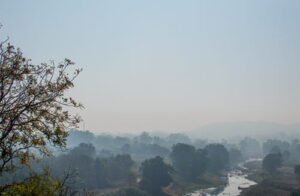
Hapur district occupies a compact stretch of the Gangetic plains between Delhi and Meerut, and its defining geographical and spiritual feature is the River Ganga itself. The town of Garhmukteshwar on the Ganga’s western bank is one of the most sacred bathing sites in western Uttar Pradesh — ancient enough to find mentions in the Bhagavata Purana and the Mahabharata, connected in legend to the ancient Kaurava capital of Hastinapur, and home to one of the most significant Kartik Purnima fairs in northern India.
Hapur was constituted as a separate district in 2011, carved from Ghaziabad as part of Uttar Pradesh’s administrative reorganisation. At about 60 km from Delhi and firmly within the National Capital Region, it is one of the most accessible districts in the state. The district’s economy runs on textile manufacturing (Pilkhuwa is known nationally as a khadi and canvas production hub) and agriculture, with the Ganga’s floodplain supporting fertile farming land. For visitors, it is primarily a district of religious significance, historical layers including Mahabharata-era association, a 17th-century Jat fort at Kuchesar, and easy day-trip proximity to the more famous Hastinapur upstream.
Hapur District, Uttar Pradesh — Quick Overview
| Feature | Details |
| State | Uttar Pradesh |
| District Headquarters | Hapur town |
| Administrative Division | Meerut Division |
| District Formed | 2011 (carved from Ghaziabad district) |
| Also Known As | Panchsheel Nagar (original name at formation; renamed Hapur) |
| Area | ~660 sq km (smallest district in UP) |
| Location | Western Uttar Pradesh, NCR |
| Borders | Ghaziabad (W & S), Meerut (N), Bulandshahr (E), Amroha (NE) |
| Famous For | Garhmukteshwar (Ganga bathing ghat), Kartik Purnima Mela, Kuchesar Fort, Pilkhuwa textile industry |
| Key River | Ganga (Ganges) — flows along the eastern boundary |
| Nearest Airport | Indira Gandhi International Airport, Delhi (~65 km) / Hindon Airport, Ghaziabad (~40 km) |
| Railway Station | Hapur Junction; Garhmukteshwar Station; Pilkhuwa Station |
| Best Time to Visit | October to March |
| Summer Temperature | 28°C – 43°C |
| Winter Temperature | 4°C – 20°C |
| Languages Spoken | Hindi (primary), Urdu |
| Key Tehsils | Hapur, Garhmukteshwar, Dhaulana |
History of Hapur District
Ancient Connections — Hastinapur and the Mahabharata
Hapur district sits in the broader geographic zone associated with the ancient Kaurava kingdom of Hastinapur — the capital city mentioned in the Mahabharata, which lies approximately 42 km northeast of Garhmukteshwar. This proximity makes the district part of the wider Mahabharata heritage landscape of western Uttar Pradesh.
Garhmukteshwar specifically is mentioned in both the Bhagavata Purana and the Mahabharata. Its ancient name was Shivvallambibpur. According to tradition, Garhmukteshwar was part of the ancient city of Hastinapur, and an ancient fort at the site is believed to have been built by the Pandavas. There are legendary accounts associating Pushpavati — an abandoned settlement near the Ganga in the district — with the Mahabharata period.
The name Garhmukteshwar derives from the great temple of Mukteshwar Mahadeva — dedicated to Lord Shiva and Goddess Ganga. According to local tradition, the temple was originally built by King Shivi, and a Shivalinga within the temple was installed by the sage Parashurama.
Kharkhauda, about 18 km south of Hapur, carries its own historical note — the name derives from “Kharak” meaning “a stall,” and the town is recorded as having served as the stables (elephant and horse stables) of the Rajas of Hastinapur during the ancient period. The town began to flourish during the Mughal period under Humayun.
Medieval and Mughal Period
A mosque at Garhmukteshwar, built by Ghiyas-ud-din Balban, carries an inscription in Arabic dated 1283 AD — one of the oldest dated Islamic structures in the district and a visible reminder of the region’s medieval multi-faith character.
The 80 Sati Pillars at Garhmukteshwar — stone memorials marking the spots where Hindu widows committed sati — are a sobering historical presence that speaks to the social practices of the medieval period. They are preserved as historical markers.
The town of Ajrara, about 15.5 km from Hapur, takes its name from a yogi called Ajaipal who built a temple there. Ajrara became particularly significant in the history of Indian classical music — it developed a distinctive tabla-playing style called the Ajrara Gharana, which became nationally recognised after taking its name from the place.
Jat Rule — The Kuchesar Fort
In 1740, the Jats emerged as a significant military power across the Gangetic plains. The Jat ruler of Kuchesar built the Kuchesar Fort — a mud fort that was captured in 1763 and won back by the Jats in 1782. The fort’s most notable architectural feature is its seven cannon turrets, built specifically to counter British forces during the Anglo-Sikh and colonial resistance period. Descendants of the Jat rulers still reside in a portion of the fort; a significant section has been converted into a hotel.
District Formation
Hapur was announced as a separate district — initially called Panchsheel Nagar — in 2011, carved from Ghaziabad district. The name was subsequently changed to Hapur District. It remains the smallest district in Uttar Pradesh by area at approximately 660 sq km.
Top Attractions in Hapur District
Garhmukteshwar — Sacred Ganga Ghat
The most significant attraction in Hapur district and one of the most important Ganga bathing sites in western UP, Garhmukteshwar sits on the banks of the Ganga approximately 35 km east of Hapur town. This is the closest point to Delhi where pilgrims can take a ritual bath in the Ganga — a fact that has made it a particularly important site for the large Hindu population of the National Capital Region.
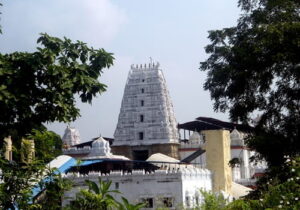
The town has four temples dedicated to Goddess Ganga, of which the most ancient and revered is the Mukteshwar Mahadeva Temple. The Shivalinga within this temple is of considerable antiquity and the temple itself is one of the oldest active shrines in the region. Adjacent to the main temple area is the famous Meerabai Ki Reti — a long stretch of golden sand on the riverbank associated with the medieval poet-saint Meera Bai.
The 80 Sati Pillars preserve a grim historical record. The town also contains a mosque built by Ghiyas-ud-din Balban in 1283 AD — providing a multi-faith historical presence within a predominantly Hindu pilgrimage town.
The Kartik Purnima Mela — Garhmukteshwar
The Ganga Fair at Garhmukteshwar on the Full Moon Day of the month of Kartik (typically falling in October or November) is one of the largest religious fairs in western Uttar Pradesh, drawing hundreds of thousands of pilgrims who come for a sacred bath in the Ganga. The bathing on Kartik Purnima is considered particularly auspicious.
A second major fair is held during Dussehra in the month of Jyaistha (May–June), also drawing large crowds. These two fairs are the peak periods of activity in Garhmukteshwar and are genuinely memorable as large-scale expressions of popular Hindu religious culture — the kind of festival that cannot be replicated in a more controlled tourist environment.
Brijghat
Five kilometres from Garhmukteshwar and approximately 35 km from Hapur on the Hapur-Moradabad National Highway, Brijghat is an emerging pilgrimage site on the Ganga. The Kartik Purnima fair at Brijghat is a large gathering in its own right. The temples at Brijghat include Vedanti Temple, Ganga Mandir, Hanuman Mandir, and Falahari Mataji’s Kuti. The evening Ganga aarti at the ghat is one of the most atmospheric daily events in the district.
Kuchesar Fort
The Kuchesar Fort, built in 1740 by the Jat rulers of the region, stands as the district’s most significant secular heritage structure. The fort is a mud fort with seven cannon turrets — a distinctive military engineering feature designed specifically for resistance against British forces. Though much of the original structure is in varying states of preservation, the portions converted into a heritage hotel have been maintained and offer an unusual opportunity to stay within a 17th–18th century Jat chieftain’s fortification.
The descendants of the original Jat rulers still inhabit part of the fort, adding an authentic heritage dimension — this is a living fort residence, not a museum. The area around Kuchesar is noted for the remains of Maratha temples and a mud fort from the Maratha period, adding another layer to the historical narrative.
Chandi Mandir — Hapur Town
In the Subzi Mandi area of Hapur town, approximately 1 km from the city centre, the Chandi Mandir was built by Raja Harishchandra approximately 500 years ago. The temple is one of the oldest religious structures in the town and is dedicated to Goddess Chandi. It is believed to be at least five centuries old and serves as a significant local devotional site.
Shiv Bari Mandir
A Shiva temple in a small village near Hapur, Shiv Bari Mandir is traditionally believed to be 700 years old. Local devotees ascribe a remarkable quality to the Shivalinga installed here: it is believed to rise slightly every year, a detail that has sustained pilgrimage over centuries and adds to the temple’s mystical reputation.
Pilkhuwa — Textile Town
About 12 km east of Hapur on the Hapur-Moradabad road (NH 9), Pilkhuwa has been known nationally for its textile production for generations. The town is particularly associated with Khadi (hand-spun cotton cloth) and handloom cotton fabric production, with canvas, bed sheets, and printed textiles being its major industrial outputs. The weaving communities here — particularly the Kori community — maintain a handloom tradition of considerable antiquity. A visit to Pilkhuwa’s weaving and printing establishments gives an insight into India’s handloom textile sector at its most authentic working level.
Ajrara — The Gharana Village
The village of Ajrara, 15.5 km from Hapur, holds an unusual place in Indian classical music history. The Ajrara Gharana — a school of tabla playing that developed here — became one of the recognised gharanas of North Indian classical percussion. The style is named after the place, as is tradition in the gharana system of Indian classical music. For visitors interested in the history of Hindustani music and the role of small UP towns in shaping classical traditions, Ajrara is a meaningful cultural stop.
Temples and Religious Sites of Hapur District
| Site | Location | Deity / Tradition | Key Feature |
| Mukteshwar Mahadeva Temple | Garhmukteshwar | Lord Shiva | Ancient temple built by King Shivi; Shivalinga installed by Parashurama |
| Ganga Mandir (4 temples) | Garhmukteshwar | Goddess Ganga | Multiple Ganga temples; most visited during Kartik Purnima fair |
| Chandi Mandir | Hapur town (Subzi Mandi) | Goddess Chandi | Built by Raja Harishchandra ~500 years ago |
| Shiv Bari Mandir | Village near Hapur | Lord Shiva | Believed 700 years old; Shivalinga said to rise every year |
| Dudheshwar Nath Temple | Hapur | Lord Dudheshwar Nath | Most visited during Janmashtami festival |
| Vedanti Temple & Hanuman Mandir | Brijghat | Multiple deities | Part of emerging Brijghat pilgrimage complex |
| Falahari Mataji’s Kuti | Brijghat | Goddess | Riverside shrine within Brijghat pilgrimage zone |
Weather in Hapur District — Season by Season
Hapur follows the classic western UP Gangetic plains climate — extreme in both directions. Summers are hot and dry; winters bring genuine cold and occasional fog; monsoon brings welcome relief.
October to March — Best Time to Visit
The recommended window with some nuance within it. October and November are pleasant and coincide with the Kartik Purnima Mela at Garhmukteshwar — the district’s most significant annual event. December and January are cold — temperatures drop to 4–8°C at night and dense fog is common in January, significantly disrupting road and rail travel. February and March are the most consistently pleasant months for outdoor exploration. For the Ganga fair, plan for Kartik Purnima (date varies annually by the lunar calendar — typically October–November).
June to September — Monsoon
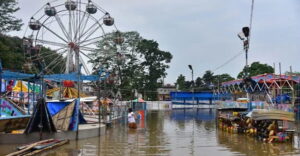
The Ganga swells significantly during monsoon. The bathing ghats at Garhmukteshwar are dramatically fuller and the riverside atmosphere is intensely atmospheric. However, high water levels make bathing at some ghats risky. A second fair is held in Jyaistha (May–June) at Garhmukteshwar, overlapping with the pre-monsoon period.
April to May — Summer
Hot and increasingly dry. Temperatures climb toward 40–43°C. Outdoor exploration of the ghats and temples is best confined to early morning and evening hours.
Things to Do in Hapur District (2026)
Visit Garhmukteshwar for the Evening Ganga Aarti — Arrive by 4 PM to explore the ghats and temples in the afternoon light, then stay for the evening aarti ceremony on the riverbank. The combination of the ancient temples, the Ganga at its most accessible from Delhi, and the devotional atmosphere of the evening ritual is the district’s most complete experiential offering.
Attend the Kartik Purnima Mela — Time a visit around the full moon of Kartik month (typically October–November). The bathing fair at Garhmukteshwar is one of the largest religious gatherings in western UP and an extraordinary popular cultural event.
Explore Kuchesar Fort — The heritage hotel within the fort offers day visits and overnight stays. The seven cannon turrets, the living royal family presence, and the Maratha-period ruins in the surrounding area make this a worthwhile stop. Book ahead if staying overnight.
Walk the Brijghat Ghats — Brijghat, 5 km from Garhmukteshwar, is less crowded and increasingly developed as a pilgrimage and visitor area. The evening aarti here is quieter and more intimate than larger pilgrimage towns.
Visit Pilkhuwa for Handloom Textiles — The town’s handloom establishments produce genuine Khadi and cotton weaves. Buying directly from the cooperative or workshop level gives better pricing and a direct connection to the craft. The bed sheets, canvas cloth, and printed cotton produced here are nationally distributed.
Explore Ajrara — For visitors interested in classical music history, the Ajrara Gharana village is a short drive from Hapur. Local information on the gharana’s current musical families can be obtained through cultural organisations in the area.
How to Reach Hapur District
By Air: Indira Gandhi International Airport in Delhi is the nearest major airport, approximately 65 km from Hapur town. Hindon Airport in Ghaziabad handles limited services and is approximately 40 km from Hapur.
By Train: Hapur Junction is well connected on the Delhi–Moradabad–Lucknow line. Multiple express and passenger trains connect Hapur to Delhi (approximately 1 hour), Moradabad, Lucknow, and other cities. Garhmukteshwar has its own station (Garhmuktesar Station) on the line between Delhi and Hapur.
By Road: Hapur is approximately 60 km from central Delhi on NH 9 (Delhi–Moradabad–Lucknow highway). The drive typically takes 1.5 to 2 hours depending on traffic, which can be heavy near the Delhi–UP border. Regular buses connect Hapur to Delhi’s Anand Vihar and Kaushambi bus terminals. Garhmukteshwar is a further 35 km east on NH 9.
Practical Tips for Visitors (2026)
- Kartik Purnima dates change annually with the lunar calendar — confirm the exact date before planning the mela visit.
- January fog can delay road and rail travel significantly in the Gangetic plains — allow extra travel time if visiting in December–January.
- Garhmukteshwar is most crowded on Sundays and during fairs; weekday visits are significantly more peaceful for temple darshan and ghat walks.
- Carry cash at Garhmukteshwar and Brijghat — ghat-area facilities are traditional and cash-based.
- The drive from Delhi to Garhmukteshwar via NH 9 passes through significant suburban sprawl before reaching the river — allow 2 to 2.5 hours from central Delhi.
- For Kuchesar Fort: The heritage hotel accepts bookings online; day visits can be arranged directly. Confirm access to the cannon turrets and historical sections before visiting.
Conclusion
Hapur is a district that knows precisely what it is: a Gangetic plains territory defined by the river on its eastern edge and the ancient pilgrimage tradition that river sustains. Garhmukteshwar is the essential stop — the Ganga at its most accessible from Delhi, an ancient temple complex on the riverbank, and a bathing fair that brings hundreds of thousands of pilgrims together on Kartik Purnima in one of the most vivid expressions of popular Hindu devotional culture in western UP.
The Kuchesar Fort adds Jat history. Pilkhuwa adds textile heritage. Ajrara adds classical music lineage. Together they give a district that most NCR residents drive past on the Delhi-Moradabad highway enough substance to warrant a genuine visit.
FAQs About Hapur District, Uttar Pradesh
Q: What is Hapur district famous for?
A: Hapur district is primarily famous for Garhmukteshwar — a sacred Ganga bathing site on the riverbank that is the closest point to Delhi where pilgrims can bathe in the Ganga. The Kartik Purnima Mela (bathing fair on the full moon of the Kartik month) is the district’s most significant annual event. The Kuchesar Fort and Pilkhuwa’s textile industry are also notable.
Q: How far is Garhmukteshwar from Delhi?
A: Garhmukteshwar is approximately 98–110 km from central Delhi — about 1.5 to 2 hours by road via NH 9. It is frequently described as the closest point to Delhi where pilgrims can take a ritual Ganga bath.
Q: What is the significance of Garhmukteshwar?
A: Garhmukteshwar is mentioned in the Bhagavata Purana and the Mahabharata as part of the ancient Hastinapur territory. It has the Mukteshwar Mahadeva Temple (built by King Shivi with a Shivalinga installed by Parashurama) and four Ganga temples. The Kartik Purnima fair here draws hundreds of thousands of pilgrims annually.
Q: When is the best time to visit Hapur district?
A: October to March is the best period. The Kartik Purnima Mela (October–November) is the most important time to visit Garhmukteshwar. February–March offers the most comfortable weather for exploring without the cold fog of December–January or the heat of summer.
Q: What is the Ajrara Gharana?
A: The Ajrara Gharana is a school (gharana) of tabla playing that originated in the village of Ajrara in Hapur district. It is one of the recognised styles of North Indian classical percussion, named after the village as is traditional in the Indian classical music gharana system.