Thodupuzha, Idukki District, Kerala: Top Attractions, History, Temples, Weather & Things to Do
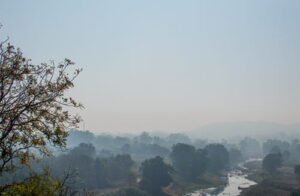
Thodupuzha, known as the “Gateway to the High Ranges,” is a picturesque town in Kerala’s Idukki district where hilly terrain, lush green vegetation, and a river by the same name converge to create a uniquely peaceful corner of central Kerala. While Thodupuzha itself may not be a major standalone tourist destination, it functions as the essential gateway to some of Kerala’s most celebrated destinations — Munnar, Thekkady, Idukki Dam, and Peermade — making it a strategically vital base for travellers exploring the broader Idukki district.
What distinguishes Thodupuzha most is its genuine religious diversity, with Hindus, Syrian Christians, and Muslims coexisting in long-standing harmony, reflected in the town’s many temples, churches, and mosques. Its minority Muslim population, belonging to the “Rauther” clan, traces descent from former warriors of the Raja of Madurai who migrated from Tamil Nadu, while a significant Hindu population comprises the “Vellala Pillai” community, whose ancestors once inhabited Tenkasi in Tamil Nadu — a layered migration history that gives Thodupuzha a genuinely distinctive cultural texture within Kerala.
Thodupuzha, Idukki District — Quick Overview
| Feature | Details |
| State | Kerala |
| District | Idukki |
| Designation | “Gateway to the High Ranges” |
| Key River | Thodupuzha River |
| Distance from Kochi | 62 km |
| Neighbouring Towns | Pala, Muvattupuzha |
| Famous For | Thommankuthu Waterfalls, Elaveezhapoonchira, Malankara Dam, Annamalai Temple, Uravappara Temple |
| Religious Communities | Hindus, Syrian Christians, Muslims (Rauther clan) |
| District Integration | Part of Ernakulam district until 1972; integrated into newly formed Idukki district |
| Nearest Airport | Cochin International Airport (~54 km) |
| Nearest Railway Stations | Aluva (~56 km), Kottayam (~55 km), Ernakulam (~60 km) |
| Best Time to Visit | November to February |
| Temperature Range | 20°C – 30°C |
History of Thodupuzha
1. Ancient Heritage and Naming
Thodupuzha’s history reaches back centuries, with the town’s name derived from the river that flows through it. The region historically attracted diverse migrant communities — the Hindu “Vellala Pillai” families whose ancestors hailed from Tenkasi in Tamil Nadu, and the Muslim “Rauther” clan, descended from former warriors who served the Raja of Madurai before migrating to settle in this fertile Kerala hill region.
2. The Annamalai Temple — 14th Century Tamil Architecture
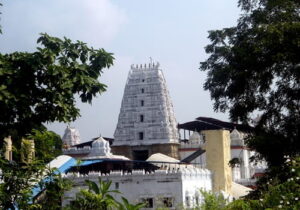
One of Thodupuzha’s most historically significant structures, the Annamalai Temple carries the distinct traits of Tamil architecture, built in the 14th century. Many statues and lamps crafted from stone and metal remain on display within the temple, offering visitors direct insight into the cross-regional artistic and devotional connections between Tamil Nadu and Kerala that shaped this part of Idukki district.
3. Colonial and Administrative Evolution
The church at Muthalakodam, a place situated 2 km from Thodupuzha, is said to have been constructed during the 13th century, predating much of the town’s other documented religious architecture. The Ninnar mosque near Karicodu is believed to have been raised by the Vadakkumkoor Raja specifically for his Muslim soldiers — another marker of the syncretic, multi-religious patronage tradition that characterised this region under historic local rulers.
4. District Reorganisation — From Ernakulam to Idukki
Thodupuzha formed part of Ernakulam district through the 1960s but was integrated into the newly formed district of Idukki in 1972, alongside the broader administrative reorganisation that created Kerala’s modern district structure. The Thodupuzha village panchayat subsequently became a municipality in 1978, reflecting the town’s growing commercial and administrative significance within the new district.
Top Attractions in Thodupuzha
1. Thommankuthu Waterfalls
Located approximately 20 km east of Thodupuzha, Thommankuthu is named after the wild hunter Thommichan Kuruvikkunnel and is one of the best waterfalls in Idukki district, situated inside a forest. This seven-step waterfall has become one of Kerala’s major eco-tourism centres, with a 10 km trek leading to the hilltop offering panoramic valley views. Three additional waterfalls accompany the main cascade, and guided forest treks (through trained guides) ensure visitors experience Kerala’s natural beauty safely.
2. Elaveezhapoonchira
A trekker’s delight, Elaveezhapoonchira is located 15 km from Thodupuzha and 60 km from Kottayam, perched at 3,200 feet above sea level. The name translates poetically to “a flowery lake where no leaves fall,” referring to the site’s acres of barren land featuring a perennial lake (poonchira) without any surrounding plantation or trees. The hill is accessible by jeep ride through an unpaved, rocky mountainous terrain, offering a winding trail of serene rocky grassland all the way to a cliff with a breathtaking bird’s-eye view of the green valley below.
3. Malankara Dam
A scenic dam built across the Thodupuzha River as part of the Malankara Reservoir Project, Malankara Dam offers boating facilities and beautiful views of the surrounding landscape — a popular nearby attraction that brings both recreational and scenic value to the broader Thodupuzha area.
4. Anchuruli Tunnel and Waterfalls
A favourite of adventure seekers, Anchuruli features a 4-5.5 km long circular tunnel that carries water from Erattayar Dam to the Idukki reservoir as part of the Idukki hydroelectric project. The surrounding region is covered with semi-evergreen forest grasslands, and during monsoon, the increased water flow through the tunnel forms a magnificent waterfall — visitors can even glimpse a small light at the end of the tunnel when water flow is lower.
5. Nadukani Pavilion
Known for its breathtaking panoramic views of the Moolamattom power station and surrounding hills, valleys, and the sparkling waters of the Muvattupuzha River, Nadukani Pavilion is an ideal spot for photography and offers genuine insight into the district’s hydroelectric heritage alongside its natural scenery.
6. Uravappara Temple
Carved out of a single rock, the Uravappara Temple showcases intricate sculptures and carvings that demonstrate the architectural brilliance of ancient Kerala. Beyond its religious significance, the temple’s setting offers scenic beauty and a peaceful atmosphere ideal for relaxation, picnics, and admiring panoramic countryside views, including rolling hills, lush green forests, and meandering rivers.
7. Mangala Devi Temple
A revered Hindu pilgrimage site within the broader Idukki district, the Mangala Devi Temple is perched atop the Mangaladevi Hills within dense Western Ghats forest, dedicated to the goddess Mangala Devi, also identified as Kannaki — connecting the site to the celebrated Tamil epic Silappathikaram and adding deep mythological resonance to its scenic mountain setting.
8. St. George Forane Church
One of Thodupuzha’s famous places with a rich history dating back several centuries, this church showcases traditional Kerala architecture through intricate carvings on its facade, stained glass windows, and ornate altars. Its annual feast dedicated to the Virgin Mary attracts thousands of pilgrims, accompanied by cultural activities including music concerts and art exhibitions celebrating Kerala’s rich cultural diversity.
9. Aanachadikuthu (Anayadikuthu) Waterfalls
One of the highest waterfalls in Kerala, flowing from a height of approximately 2,000 feet, Aanachadikuthu is located very close to Thommankuthu and carries a local legend explaining its name — elephant herds once came here for water during summer, and the falls are named after an elephant that fell while drinking from the canal above.
10. Idukki Wildlife Sanctuary
Located approximately 58 km from Thodupuzha, the Idukki Wildlife Sanctuary occupies tropical evergreen forest between the Cheruthoni and Periyar rivers at altitudes between 450 and 748 metres, home to elephants, sambar, barking deer, mouse deer, bonnet macaque, Nilgiri langur, and the Malabar giant squirrel.
Temples of Thodupuzha and Surrounding Area
| Temple | Location | Deity | Key Feature |
| Annamalai Temple | Thodupuzha (Karikodu) | Hindu (Tamil tradition) | Built 14th century; stone and metal statues and lamps |
| Uravappara Temple | Thodupuzha | Hindu | Carved from a single rock; ancient Kerala architecture |
| Mangala Devi Temple | Mangaladevi Hills, Idukki district | Goddess Mangala Devi (Kannaki) | Connection to Silappathikaram epic; Western Ghats forest setting |
| Ninnar Mosque | Near Karicodu | Islamic | Built by Vadakkumkoor Raja for his Muslim soldiers |
| Church at Muthalakodam | 2 km from Thodupuzha | Christian | Believed constructed in the 13th century |
| St. George Forane Church | Pala-Thodupuzha Road | Catholic | Annual feast for Virgin Mary; centuries-old history |
Weather in Thodupuzha
November to February — Best Time: Pleasant, dry conditions with temperatures ranging 20°C-30°C make this the recommended window for sightseeing, boating, trekking, and exploring waterfalls, spice plantations, and forests without the discomfort of extreme weather.
June to September — Monsoon (Best for Greenery and Waterfalls): Heavy rainfall brings lush, rejuvenated greenery and full waterfalls, ideal for travellers seeking the most dramatic version of Thodupuzha’s natural beauty, though travel plans may be disrupted by intense rain.
March to May — Summer: Quite hot and humid, with temperatures soaring above 35°C, making this the least comfortable period for exploring the region.
Things to Do in Thodupuzha (2026)
Trek to Thommankuthu’s Seven-Step Falls — A guided forest trek through one of Idukki’s premier eco-tourism destinations, with optional hilltop climb for panoramic valley views.
Jeep Ride to Elaveezhapoonchira — Navigate the rocky mountainous terrain to reach this unique “flowery lake” plateau at 3,200 feet for cliff-edge valley views.
Boating at Malankara Dam — Enjoy a peaceful reservoir experience set against the scenic backdrop of the Thodupuzha River valley.
Annamalai and Uravappara Temple Heritage Circuit — Combine the 14th-century Tamil-style Annamalai Temple with the single-rock-carved Uravappara Temple for a focused architecture-and-devotion day.
Photography at Nadukani Pavilion — Capture panoramic views of the Moolamattom power station and Muvattupuzha River valley, particularly striking at sunrise or sunset.
Monsoon Visit to Anchuruli Tunnel — Time a visit for the rainy season to witness the dramatic waterfall effect created by increased flow through the 4-5.5 km circular tunnel.
How to Reach Thodupuzha
By Air: Cochin International Airport is approximately 54 km from Thodupuzha, the nearest air connection.
By Train: Aluva (56 km), Kottayam (55 km), and Ernakulam (60 km) are the nearest railway stations.
By Road: Thodupuzha sits at the intersection of multiple state highways — the Muvattupuzha-Punalur SH8, Thodupuzha-Puliyanmala SH33 (connecting to Idukki district centre Painavu and Thekkady), Alappuzha-Madurai SH40, and Muvattupuzha-Theni SH43 — making it an exceptionally well-connected gateway town for the broader Idukki district.
Conclusion
Thodupuzha earns its title as the “Gateway to the High Ranges” through genuine strategic and cultural value — a crossroads town where Hindu, Christian, and Muslim communities have coexisted for centuries, where 14th-century Tamil temple architecture meets colonial-era Kerala church heritage, and where the surrounding landscape delivers some of Idukki district’s most rewarding waterfalls, hill plateaus, and dam reservoirs. For travellers heading toward Munnar, Thekkady, or the Idukki Dam, Thodupuzha offers far more than a simple stopover — it is a genuine destination in its own right.
FAQs About Thodupuzha, Idukki District
Q1. What is Thodupuzha famous for?
A: Thodupuzha is known as the “Gateway to the High Ranges” and is famous for the Thommankuthu Waterfalls, Elaveezhapoonchira hill plateau, Malankara Dam, the 14th-century Annamalai Temple, and the single-rock-carved Uravappara Temple. The town also serves as a key gateway to Munnar, Thekkady, and Idukki Dam.
Q2. What is the religious composition of Thodupuzha?
A: Thodupuzha is noted for its religious diversity, with Hindus, Syrian Christians, and Muslims living in long-standing harmony. The minority Muslim population, belonging to the “Rauther” clan, traces descent from former warriors of the Raja of Madurai who migrated from Tamil Nadu, while a significant Hindu population comprises “Vellala Pillai” families with ancestral roots in Tenkasi, Tamil Nadu.
Q3. What is special about the Annamalai Temple in Thodupuzha?
A: The Annamalai Temple, built in the 14th century, carries distinct traits of Tamil architecture, reflecting cross-regional cultural connections between Tamil Nadu and Kerala. The temple houses numerous statues and lamps crafted from stone and metal, offering visitors insight into centuries-old devotional and artistic traditions.
Q4. What is the best time to visit Thommankuthu Waterfalls near Thodupuzha?
A: While November to February offers the most comfortable weather overall (20°C-30°C) for sightseeing and trekking, June to September (monsoon season) is ideal for experiencing Thommankuthu and the district’s other waterfalls at their fullest and most dramatic flow, though heavy rainfall can occasionally disrupt travel plans.
Q5. When did Thodupuzha become part of Idukki district?
A: Thodupuzha formed part of Ernakulam district through the 1960s but was integrated into the newly formed Idukki district in 1972, during Kerala’s broader administrative reorganisation. The Thodupuzha village panchayat subsequently became a municipality in 1978.