Nabarangpur District, Odisha: Top Attractions, History, Temples, Weather & Things to Do
Nabarangpur district occupies the tribal heartland of southwestern Odisha, a region where the remnants of an ancient ruling dynasty sit alongside cascading waterfalls, dense wildlife sanctuaries, and devotional traditions deeply intertwined with indigenous Adivasi belief systems. Despite remaining largely unknown to mainstream tourism, Nabarangpur — also spelled Nabarangapur or Nowrangpur — offers an authentic, unhurried travel experience rooted in genuine tribal heritage, fertile agricultural landscapes, and a layered history connecting it to both ancient Kalinga and the medieval Nala dynasty.
The district’s defining historical landmark is Podagada, the ancient capital of the Nala Dynasty near Umerkote, where forested hill ranges still preserve caves, inscriptions, and habitable rock structures predating the Mughal invasion. Beyond this archaeological treasure, Nabarangpur offers the scenic Chandan Dhara waterfall with its natural Shiva Lingam, the Ambapani Wildlife Sanctuary sheltering tigers and elephants, and a poignant freedom struggle memorial at Papadahandi commemorating 19 martyrs who died fighting British forces in 1942.
Nabarangpur District, Odisha — Quick Overview
| Feature | Details |
| State | Odisha |
| District Headquarters | Nabarangpur town |
| Also Known As | Nabarangapur, Nowrangpur |
| Elevation | 572 metres |
| Area | 5,294.5 sq km |
| Famous For | Podagada (Nala Dynasty capital), Chandan Dhara Waterfall, Ambapani Wildlife Sanctuary, Maa Bhandar Gharani Temple |
| Borders | Kalahandi (N), Jagdalpur/Chhattisgarh (W), Rayagada (E), Koraput (S) |
| Key River | Indravati (borders Koraput) |
| Nearest Airport | Visakhapatnam Airport (~250-300 km) |
| Nearest Railway | Jeypore and Koraput stations |
| Best Time to Visit | October to February |
History of Nabarangpur District
1. Ancient Kalinga and Koraput Connections
Nabarangpur’s history is closely linked to its association with the ancient Kalinga region and the later Koraput district, of which it once formed a part before achieving independent district status. The area has been inhabited by tribal communities for centuries, with much of its historical identity preserved through oral traditions, rituals, and local folklore rather than extensive written records.
2. Podagada — Capital of the Ancient Nala Dynasty
The most significant historical landmark in Nabarangpur district is Podagada, located approximately 11 km from Umerkote and around 78 km from Nabarangpur town. This site served as the capital of the ancient Nala Dynasty, with the hill ranges of Podagada — densely forested and infested with deep jungle — preserving the remains of this ruling dynasty. The caves, usable inscriptions, and habitable rock structures found here indicate occupation predating the Mughal invasion, offering archaeologists and history enthusiasts genuine insight into one of South Odisha’s earliest documented political powers.
3. The 1942 Quit India Movement Sacrifice at Papadahandi
On 24 August 1942, during the height of the Quit India Movement, nineteen freedom fighters lost their lives at Papadahandi while fighting against British soldiers. Madhab Pradhan led these nineteen martyrs in their resistance. The Shahid Smruti Stambha (Martyrs’ Memorial Pillar), built on the banks of the River Tuni near Papadahandi, stands today as a solemn tribute to their sacrifice for India’s independence — a significant chapter in the district’s contribution to the national freedom struggle.
Top Attractions in Nabarangpur District
1. Podagada
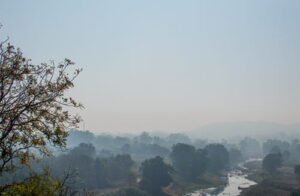
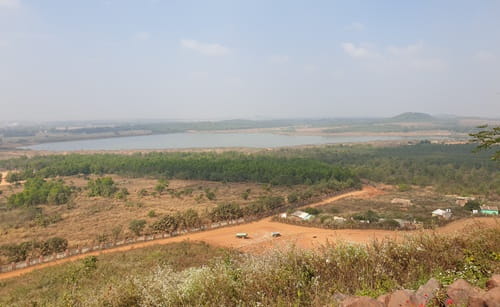
Beyond its historical significance as the Nala Dynasty’s ancient capital, Podagada offers visitors scenic views across its forested hill ranges. The site combines genuine archaeological interest — caves, inscriptions, and rock structures — with the natural beauty of dense Eastern Ghats forest, making it one of the district’s most rewarding combined history-and-nature destinations.
2. Chandan Dhara Waterfall
Located in Jharigam Block, approximately 90 km from Nabarangpur, Chandan Dhara is a natural waterfall remarkable for housing a natural Shiva Lingam within its setting. The scenic beauty of the cascade is so striking that tourists specifically travel here during winter for the best viewing experience, with the location also serving as an ideal spot for outings and picnics. The waterfall draws particularly large crowds during Mahashivratri, when devotees combine the natural spectacle with worship at the Shiva Lingam.
3. Ambapani Wildlife Sanctuary
Located near the Nabarangpur-Kalahandi border, Ambapani Wildlife Sanctuary is surrounded by green forests and beautiful waterfalls, sheltering tigers, deer, sambar, elephants, and numerous other species. The sanctuary’s pleasant environment makes it a genuine attraction for trekking and mountain climbing enthusiasts. The Ghumareswar Temple, located beneath the Ambapani mountain, adds spiritual dimension to the sanctuary’s natural appeal, with the combination of beautiful natural surroundings and the wondrous sound of waterfalls drawing visitors particularly during winter.
4. Ghumareswar Temple and Falls
Situated on a hill approximately 32 km from Nabarangpur city, Ghumareswar Temple requires climbing approximately 100 steps to reach. Inside, Lord Shiva is worshipped within a rock cave, with a separate temple of Goddess Parvati located a short distance away. Mahashivratri is the temple’s most significant festival, drawing devotees from across Odisha throughout the year to worship Lord Ghumareswar Mahadev. The adjacent Ghumureswar Falls adds further natural appeal, making this combined temple-and-waterfall site a popular picnic destination.
5. Bhairaghumar Waterfall
Located inside Ambapani Sanctuary near the Odisha-Chhattisgarh border, approximately 16 km from Chandahandi and 100 km from Nabarangpur, Bhairaghumar Waterfall stands at approximately 150 feet, surrounded by dense forest. Reaching the falls requires a 2-3 km hill trek, rewarding adventurous visitors with a genuinely remote, unspoiled natural spectacle.
6. Punjisil Waterfall
Located approximately 5 km from Podagad, Punjisil Waterfall offers an additional scenic stop for visitors already exploring the historic Nala Dynasty capital area, combining the region’s archaeological interest with further natural beauty.
7. Deer Park
Located 10 km from Nabarangpur towards Papadahandi, this 30-year-old Deer Park spans an acre of land and houses 130 deer, including 63 female deer. Watching the park’s wildlife from the watchtower offers visitors a unique, accessible nature experience close to the district headquarters.
8. Maa Pendrani Temple, Umerkote
Situated inside Umerkote town, approximately 70 km from Nabarangpur’s district headquarters, the Maa Pendrani Temple honours the presiding deity born from a poignant local legend — Pendrani was a married girl who became a victim of secret jealousy from her own brothers in the nearby village of Pendra (Pendrahandi), and was subsequently revered as a pure soul who achieved divinity. The main festival, Thakurani Jatra, is celebrated in the month of Chaitra and draws large numbers of devotees, featuring a distinctive ritual where men play the role of the Goddess to symbolically compensate for the injustice inflicted upon her before she achieved divine status.
9. Hirli Dangar
Located right at Gandhinagar in Nabarangpur town, Hirli Dangar houses an ancient statue of God Tirupati, which is worshipped at this site. Close by, the Kusumjhar reserve adds natural beauty to the area, having developed into a prominent picnic spot over time.
Temples of Nabarangpur District
| Temple | Location | Deity | Key Feature |
| Maa Bhandar Gharani Temple | Nabarangpur town | Goddess Bhandar Gharani (Shakti Pitha) | Preserver of wealth; special Tuesday/Saturday worship |
| Maa Pendrani Temple | Umerkote town | Goddess Pendrani | Born from local legend; Thakurani Jatra festival |
| Ghumareswar Temple | Hill near Ambapani, ~32 km from Nabarangpur | Lord Shiva (rock cave) + Goddess Parvati | 100-step climb; major Mahashivratri festival |
| Hirli Dangar Tirupati Shrine | Gandhinagar, Nabarangpur town | Lord Tirupati (Venkateswara) | Ancient statue worship site |
| Chandan Dhara Shiva Lingam | Jharigam Block, ~90 km from Nabarangpur | Lord Shiva | Natural Lingam within waterfall setting |
Weather in Nabarangpur District
October to February — Best Time: Pleasant weather makes this period ideal for visiting Podagada, exploring Ambapani Wildlife Sanctuary, and undertaking waterfall treks across the district.
Winter (Specific to Waterfalls): Both Chandan Dhara and Ghumureswar Falls are specifically recommended for winter viewing, when the scenic beauty of the cascades is at its most striking and comfortable for visitors.
Mahashivratri (Festival Timing): This major Shaivite festival draws particularly large crowds to both Chandan Dhara and Ghumareswar Temple, making it a significant seasonal consideration for devotional travellers.
Things to Do in Nabarangpur District (2026)
Explore Podagada’s Ancient Capital Ruins — Trace the remains of the Nala Dynasty through caves, inscriptions, and rock structures amid scenic forested hills.
Winter Visit to Chandan Dhara Waterfall — Combine the natural cascade with worship at its Shiva Lingam, particularly meaningful during Mahashivratri.
Wildlife Trekking at Ambapani Sanctuary — Look for tigers, elephants, deer, and sambar while exploring the sanctuary’s combined waterfall-and-temple attractions.
Visit the Shahid Smruti Stambha — Pay respects to the 19 freedom fighters who sacrificed their lives at Papadahandi during the 1942 Quit India Movement.
Pilgrimage to Maa Pendrani Temple — Time a visit for the Thakurani Jatra in Chaitra month for the temple’s most significant devotional and cultural experience.
Hike to Bhairaghumar Waterfall — Undertake the 2-3 km forest trek to this remote 150-foot cascade near the Chhattisgarh border for genuine off-the-beaten-path adventure.
How to Reach Nabarangpur District
By Air: Visakhapatnam Airport is the nearest, approximately 250-300 km away; no direct flights connect Bhubaneswar and Nabarangpur.
By Train: No direct trains connect Nabarangpur to major cities; the nearest railway stations are located in Jeypore and Koraput, from where visitors continue by road.
By Road: Nabarangpur is well connected by road to major towns in Odisha and neighbouring Chhattisgarh, with buses and taxis available from Jeypore, Koraput, and Jagdalpur.
Conclusion
Nabarangpur district offers travellers a genuinely authentic glimpse into Odisha’s tribal heartland — the ancient Nala Dynasty’s capital at Podagada, waterfalls housing natural Shiva Lingams, wildlife sanctuaries sheltering tigers and elephants, and a poignant 1942 freedom struggle memorial. For those seeking to move beyond Odisha’s better-known coastal and temple circuits into a quieter, more rural, and culturally rich southwestern corner of the state, Nabarangpur rewards patient, curious exploration.
FAQs About Nabarangpur District, Odisha
Q1. What is Nabarangpur district famous for?
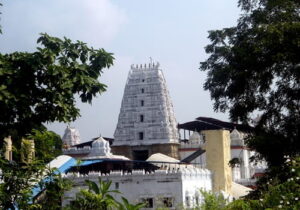
A: Nabarangpur is famous for Podagada, the ancient capital of the Nala Dynasty near Umerkote, alongside the Chandan Dhara waterfall (featuring a natural Shiva Lingam), the Ambapani Wildlife Sanctuary, and the Maa Bhandar Gharani Temple, one of Odisha’s significant Shakti Pithas.
Q2. What is the historical significance of Podagada?
A: Podagada served as the capital of the ancient Nala Dynasty, located approximately 11 km from Umerkote and 78 km from Nabarangpur town. The hill ranges preserve caves, inscriptions, and habitable rock structures that indicate occupation predating the Mughal invasion, making it the district’s most significant archaeological and historical site.
Q3. What happened at Papadahandi during the freedom struggle?
A: On 24 August 1942, during the Quit India Movement, nineteen freedom fighters led by Madhab Pradhan lost their lives at Papadahandi while fighting British soldiers. The Shahid Smruti Stambha, built on the banks of the River Tuni near Papadahandi, commemorates their sacrifice for India’s independence.
Q4. What is the legend behind Maa Pendrani Temple?
A: Maa Pendrani Temple in Umerkote honours a married girl named Pendrani from the nearby village of Pendra, who became a victim of secret jealousy from her own brothers and was subsequently revered as a pure soul who achieved divinity. The temple’s main festival, Thakurani Jatra, features a distinctive ritual where men play the role of the Goddess to symbolically compensate for the historical injustice done to her.
Q5. When is the best time to visit Nabarangpur district?
A: October to February offers the most pleasant weather for visiting Podagada, exploring Ambapani Wildlife Sanctuary, and undertaking waterfall treks. Winter is specifically recommended for viewing Chandan Dhara and Ghumureswar Falls at their most scenic, while Mahashivratri draws the largest devotional crowds to the district’s Shiva temples.