Munnar, Idukki District, Kerala: Top Attractions, History, Tea Heritage, Weather & Things to Do (2026)
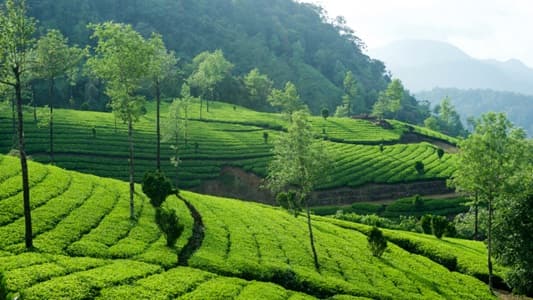
Munnar rises between 1,500 and 2,695 metres in the Idukki district of Kerala, at the confluence of three mountain streams — Muthirapuzha, Nallathanni, and Kundala — earning it the popular title “Kashmir of South India” for its breathtaking landscapes, mist-shrouded hills, and cool, temperate climate. Long before the world knew Munnar for its tea, this was the ancestral home of the Muthuvan tribal community, who lived in harmony with the dense shola forests of the Western Ghats as the true original custodians of the land.
The modern story of Munnar began in the 1870s, when British Resident John Daniel Munro visited the region to settle a border dispute and recognised its potential for commercial tea cultivation. What followed was a transformation from rugged tribal wilderness into one of the world’s most celebrated rural escapes — a journey that, by 2026, has positioned Munnar among Rough Guides’ World’s Top 26 Destinations and the Top 8 Rural Destinations in Asia. Today’s Munnar balances this colonial tea heritage with serious conservation achievement at Eravikulam National Park, home to half the world’s population of the endangered Nilgiri Tahr and the legendary Neelakurinji flowers, due to bloom again in 2030.
Munnar, Idukki District — Quick Overview
| Feature | Details |
| State | Kerala |
| District | Idukki |
| Elevation | 1,500m – 2,695m (Western Ghats) |
| Famous For | Eravikulam National Park, Nilgiri Tahr, tea estates, Anamudi Peak, Top Station, Neelakurinji flowers |
| Bordering Hills | Anamalai Hills, Cardamom Hills |
| Early Inhabitants | Muthuvan tribal community |
| Tea Heritage | Established by British (1870s–1924); now managed by Tata Tea/KDHP |
| Highest Peak | Anamudi (2,695m) — highest peak in South India |
| Distance from Kochi | ~110-130 km (4-5 hours drive) |
| Nearest Airport | Kochi International Airport |
| Nearest Railway | Aluva or Ernakulam (~130 km) |
| Best Time to Visit | September to March |
| Temperature Range | 5°C – 25°C (cooler at higher altitude) |
History of Munnar
The Muthuvan Community — Early Inhabitants
Long before colonial-era development, Munnar was the ancestral home of the Muthuvan tribal community, who lived in close harmony with the dense shola forests covering the Western Ghats. The Muthuvans, along with the Odiyas, were the true custodians of this pristine highland ecosystem, possessing deep traditional knowledge of the land’s biodiversity and seasonal rhythms long before European explorers arrived.
British Colonial Era — The Birth of Tea Estates (1870s–1924)
The modern history of Munnar began in the 1870s when British Resident John Daniel Munro visited the region to settle a border dispute. Recognising the area’s exceptional suitability for tea cultivation given its altitude, rainfall, and cool climate, the British established sprawling tea plantations, gradually transforming Munnar into a flourishing centre of the tea industry. This colonial-era development phase continued through 1924, laying the infrastructure and estate system that would define Munnar’s economy and landscape for the next century.
The Early Phase (1960s–1980s)
Following India’s independence, the tea estates were largely managed by Tata Tea (now Kanan Devan Hills Plantations, or KDHP). Tourism during this period remained minimal, restricted primarily to plantation owners’ guests and a small number of intrepid hikers — Munnar functioned essentially as a quiet “summer retreat” for the elite rather than a mass tourism destination.
The Boom (1990s–2010s)
With the launch of Kerala Tourism’s “God’s Own Country” campaign, Munnar’s popularity exploded. Infrastructure improved significantly, and Eravikulam National Park became a major draw for visitors hoping to see the endangered Nilgiri Tahr in its natural habitat, marking the beginning of Munnar’s transformation into a globally recognised tourist destination.
Modern Sustainable Tourism (2020–Present)
Today, as part of a broader shift toward Responsible Tourism, Munnar has embraced eco-stays that blend into the natural canopy, experiential travel through tea-tasting tours and “plantation life” experiences, and adventure tourism including trekking to Meesapulimala and paragliding over the valleys. Munnar has transcended its identity as a purely local getaway to become recognised as a pillar of slow travel and international rural tourism.
Top Attractions in Munnar
Eravikulam National Park
Munnar’s single most visited attraction, Eravikulam National Park spans 97 square kilometres of grasslands and shola forests, declared a National Park in 1978 and recognised as the natural habitat of the Nilgiri Tahr — an endangered mountain goat species endemic to the Western Ghats, of which the park hosts half the world’s population. The park is also home to Anamudi, South India’s highest peak at 2,695 metres, which forms a majestic backdrop to the rolling grasslands. The legendary Neelakurinji flowers — a rare shrub that carpets the hills in blue-purple once every 12 years — last bloomed in 2018, with the next bloom expected in 2030. The park typically operates from January to June and closes during the Nilgiri Tahr’s calving season (February–March); a reservation fee of INR 50 applies, with daily visitor capacity regulated to approximately 2,000 to maintain ecosystem balance.
Top Station
Located 32 km from Munnar at approximately 6,000 feet, Top Station is the highest point on the Munnar-Kodaikanal road and was historically the uppermost railway station in the Kundala Valley. It offers a panoramic, breathtaking view of neighbouring Tamil Nadu’s Theni district, and is considered the best spot in Munnar to witness a “sea of clouds” at sunrise — on a clear day, visitors genuinely feel as though they are walking among the clouds.
Mattupetty Dam
Built in the 1940s as Kerala’s first concrete storage gravity dam, Mattupetty Dam was constructed to prevent floods, conserve water, and generate power. Beyond its industrial significance, the dam offers spectacular scenic beauty and is one of Munnar’s most popular spots for boating, photography, and peaceful family or couple outings amid hills and tea plantation views.
Kolukkumalai Tea Estate
Sitting at an altitude of 7,900 feet, Kolukkumalai holds the title of one of the world’s highest tea plantations, accessible only by 4×4 jeep, and still uses traditional 1930s colonial methods to process its world-renowned tea. Sunrise treks here are particularly celebrated for offering breathtaking mountain views before the mist rolls in.
Tea Museum (Kannan Devan Tea Museum)
A must-visit for understanding Munnar’s identity, the Tata Tea Museum showcases the evolution of the tea industry and its profound impact on the local economy, with live demonstrations of tea processing and tea-tasting sessions where visitors can sample various grades like BOP and FOP. The museum operates 9:00 AM to 5:00 PM and is closed on Mondays.
Marayoor — Sandalwood Forests and Stone Age Heritage
Located 40 km from Munnar, Marayoor is the only place in Kerala with natural sandalwood forests, and holds significant ancient history through its Muniyaras — Stone Age dolmens — and ancient rock paintings. Marayoor jaggery, made from local sugarcane without chemical additives, is world-famous and a must-buy for visitors.
Devikulam — Sita Devi Lake
An idyllic hill station known for its velvet lawns, Devikulam is home to Sita Devi Lake, whose mineral waters carry legends of Goddess Sita bathing there — a sacred and scenic pilgrimage spot also ideal for trout fishing.
Echo Point and Waterfalls
Echo Point is among the most famous and frequently visited spots in Munnar, known for its acoustic phenomenon and scenic valley views. Munnar’s waterfall circuit includes Attukal Waterfalls (popular for sunset photography), Cheeyappara Falls (cascading in seven magnificent tiers, located on the Kochi-Munnar highway), and Lakkam Falls within the Eravikulam Plateau, where visitors can swim in the lagoon beneath the cascade.
Pallivasal
The site of Kerala’s first Hydroelectric Project, Pallivasal combines industrial historical significance with immense scenic beauty, surrounded by misty mountains that make it a peaceful spot for photography.
Chithirapuram
With its sleepy little cottages, colonial bungalows, old playgrounds, and courts, Chithirapuram still exudes old-world charm, offering a nostalgic glimpse into the planter lifestyle of the English colonial era.
Cultural and Religious Sites of Munnar
| Site | Location | Significance | Key Feature |
| Sree Krishnaswamy Temple | Munnar town | Lord Krishna | Key cultural and religious site |
| Kalari Kshethra | Munnar | Traditional Kerala arts | Kathakali (5-6 PM) and Kalaripayattu (6-7 PM) performances daily |
| Sita Devi Lake | Devikulam | Sacred lake, Sita legend | Mineral waters; pilgrimage and trout fishing |
| Bhavani Amman Temple | Near Upper Bhavani Lake | Goddess Bhavani | Within the Nilgiris-Munnar forest belt |
Weather in Munnar
September to March — Best Time: Cool and pleasant weather with temperatures ranging from 15°C to 28°C (some sources cite 10°C-25°C), with clear skies and crisp evenings ideal for sightseeing, trekking, and tea estate walks. December to February is the coldest period, with morning temperatures around 12°C.
June to August — Monsoon (“Monsoon Magic”): Heavy rainfall brings lush, misty greenery to the Western Ghats — a uniquely atmospheric period favoured by travellers seeking the dramatic monsoon experience, though trekking routes can become slippery.
March to May — Summer: Warm conditions with temperatures ranging 19°C-35°C, offering a milder escape from the heat of the plains, though less consistently pleasant than the September-March window.
Things to Do in Munnar (2026)
Sunrise Trek at Kolukkumalai — Experience the breathtaking views from one of the world’s highest tea estates before the morning mist sets in.
Wildlife Spotting at Eravikulam National Park — Book your INR 50 entry ticket in advance and look for the endangered Nilgiri Tahr against the backdrop of Anamudi Peak.
Tea Estate Walk and Tasting Tour — Visit the Tata Tea Museum for processing demonstrations, followed by a tasting session sampling different tea grades.
Boating at Mattupetty Dam — Enjoy Kerala’s first concrete gravity dam with scenic hill and tea plantation views.
Sunrise Sea-of-Clouds Viewing at Top Station — Arrive early for the best chance of witnessing Munnar’s signature cloud-sea phenomenon.
Stone Age Heritage Walk at Marayoor — Explore the Muniyaras dolmens, ancient rock paintings, and Kerala’s only natural sandalwood forest.
Evening Kathakali and Kalaripayattu Performance — Catch traditional Kerala performing arts at Kalari Kshethra for a cultural complement to the natural scenery.
How to Reach Munnar
By Air: Kochi International Airport is approximately 110-130 km away, roughly 4-5 hours by road.
By Train: Aluva or Ernakulam railway stations, approximately 130 km from Munnar, are the nearest rail connections, with onward travel by taxi or bus.
By Road: Regular KSRTC (Kerala State Road Transport Corporation) buses connect Munnar to Kochi, Alleppey, and Thekkady; private taxis are recommended for tea estate visits and day trips given the hilly terrain.
Conclusion
Munnar’s journey from Muthuvan tribal homeland to British tea estate to global rural tourism icon represents one of South India’s most complete hill-station transformations — and yet, remarkably, the tea gardens, the Nilgiri Tahr population, and the Muthuvan cultural heritage all remain genuinely intact. Whether the draw is Eravikulam’s endangered wildlife, Kolukkumalai’s 1930s tea processing methods, or simply the misty quiet of a tea estate morning, Munnar in 2026 continues to deliver the “Kashmir of South India” experience that has made it one of Kerala’s most enduringly celebrated destinations.
FAQs About Munnar, Idukki District
Q1. What is Munnar famous for?
A: Munnar is famous for its sprawling tea plantations, the endangered Nilgiri Tahr at Eravikulam National Park, Anamudi Peak (South India’s highest at 2,695m), the rare Neelakurinji flowers that bloom once every 12 years (next bloom 2030), and its cool, mist-covered Western Ghats landscape earning it the nickname “Kashmir of South India.”
Q2. Who were the original inhabitants of Munnar before the tea estates?
A: The Muthuvan tribal community, along with the Odiyas, were the original inhabitants of Munnar, living in harmony with the region’s dense shola forests for generations before British Resident John Daniel Munro visited in the 1870s and recognised the area’s potential for commercial tea cultivation.
Q3. When does the Neelakurinji flower bloom in Munnar?
A: The Neelakurinji is a rare shrub that blooms only once every 12 years, carpeting the hills of Munnar in a striking blue-purple colour. The flower last bloomed in 2018, with the next bloom expected in 2030, making it a globally significant botanical phenomenon.
Q4. What is the best time to visit Eravikulam National Park?
A: Eravikulam National Park typically operates from January to June, though the park usually closes during the Nilgiri Tahr’s calving season (February-March). A reservation fee of INR 50 applies, and daily visitor capacity is regulated to approximately 2,000 to maintain ecosystem balance.
Q5. When is the best time to visit Munnar overall?
A: September to March is widely recommended as the best period, with cool, pleasant temperatures ranging from 15°C to 28°C and clear skies ideal for sightseeing and trekking. The monsoon season (June-August) offers a uniquely lush, misty “Monsoon Magic” experience for travellers who enjoy Western Ghats rainfall.