Kupwara District, Jammu & Kashmir: Top Attractions, History, Temples, Weather & Things to Do
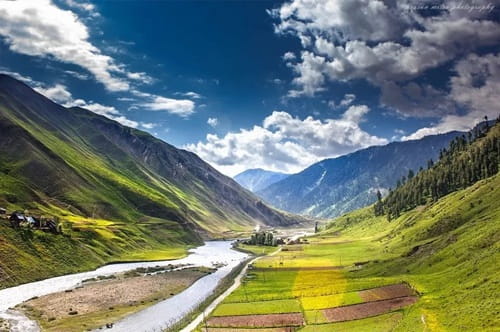
Kupwara district, sometimes called “Kashmir’s Switzerland,” occupies the northern frontier of the Kashmir Valley, bordering the Line of Control and serving as the gateway to some of the most pristine, underdeveloped Himalayan landscapes remaining in India. The district’s crown jewel is Lolab Valley — also known as “the land of love and beauty” — an oval-shaped sub-valley extending roughly 25 km along the Lahwal River, divided into three sections (Potnai, Brunai, and Kalaroos) and celebrated by the renowned Urdu-Persian poet Allama Iqbal in his poem “O Valley of Lolab!”
Beyond Lolab, Kupwara offers Bangus Valley — a vast, nearly untouched meadowland spanning 300 sq km at 10,000 feet, named from the Sanskrit “Van” (forest) and “gus” (grass) — alongside the mysterious Kalaroos Caves, the historic Sadhna Pass connecting Kupwara to the remote Karnah Valley, and a recently restored ancient temple to Goddess Bhadrakali. With the government’s 2022 recognition of 75 new tourism destinations in the union territory and infrastructure investments addressing the district’s historic water scarcity, Kupwara is gradually emerging from decades of being one of Kashmir’s least-visited but most naturally rewarding corners.
Kupwara District, Jammu & Kashmir — Quick Overview
| Feature | Details |
| Union Territory | Jammu & Kashmir |
| District Headquarters | Kupwara town |
| Designation | “Kashmir’s Switzerland” |
| Famous For | Lolab Valley, Bangus Valley, Kalaroos Caves, Sadhna Pass |
| Key Rivers | Lahwal River (Lolab Valley); Mawri River (Bangus Valley) |
| Border | Line of Control (LoC) with Pakistan; adjacent to Neelum/Kishenganga Valley |
| Distance from Srinagar | ~90-114 km |
| Lolab Valley Elevation | 1,590 metres (5,215-5,420 feet) |
| Bangus Valley Elevation | ~10,000 feet |
| Nearest Airport | Srinagar Airport (~90 km) |
| Nearest Railway | Baramulla (~64 km) |
| Best Time to Visit | May to August (summer bloom); December-February (snow) |
History of Kupwara District
1. The Founding Legend of Lolab Valley
Lolab Valley, earlier known as “Lolo,” derives its name from its founder, Maharaja Lolo, a historical figure whose name continues to define this Himalayan sub-valley of the larger Kashmir Valley. The valley’s deep historical character is reinforced by its association with significant religious and intellectual figures across centuries.
2. Allama Anwar Shah Kashmiri’s Birthplace
Varnow village, a small settlement within Lolab Valley, holds particular historical-intellectual significance as the birthplace of Allama Anwar Shah Kashmiri, a renowned Kashmiri Islamic scholar whose legacy continues to be honoured in the region’s religious and educational history.
3. Literary Celebration by Allama Iqbal
Lolab Valley was visited by the celebrated Urdu-Persian poet Muhammad Iqbal (Allama Iqbal), who was so moved by its natural beauty that he composed a poem titled “O Valley of Lolab!” in honour of the valley’s environment, beginning with verses describing its springs pulsating like quicksilver and morning birds fluttering in agitated turmoil across its skies — a literary tribute that has helped cement Lolab’s reputation as one of Kashmir’s most poetically celebrated landscapes.
4. The Restoration of Maa Bhadrakali’s Idol (2019)
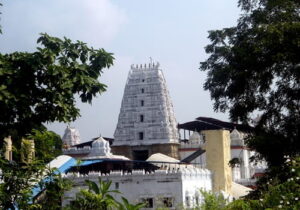
In March 2019, an ancient idol of Goddess Bhadrakali was reinstalled at a temple in Bhadrakali Village in Handwara, within Kupwara district, years after it had originally been brought to Jammu. The original idol’s restoration to its ancestral abode was marked with a simple ceremony that brought a festive atmosphere to the ancient temple, representing a significant moment of religious heritage preservation in this predominantly Muslim-majority border district.
5. Sadhna Pass — Historic Trade Route
Previously known as Nastachun Pass, Sadhna Pass — located in the vast Shamshabari mountain range at approximately 3,130 metres above sea level — has historically served as the only access route connecting the Karnah, Neelum, and Leepa valleys to the rest of Kashmir. In earlier centuries, the nearby border village of Tithwal functioned as a thriving trading hub, with hundreds of shops selling ghee, honey, and walnut kernels sourced from the Karnah, Leepa, and Neelum valleys.
Top Attractions in Kupwara District
1. Lolab Valley
An oval-shaped Himalayan sub-valley approximately 15 miles (24-26 km) long with an average width of 2-3 miles, Lolab Valley sits at an elevation of 1,590 metres, entering 9 km north of Kupwara town and stretching to Diver. Divided into three sub-valleys — Kalaroos, Potnai, and Brunai — Lolab is characterised by lush dense forests of deodar, kair, budul, pine, and fir, alongside abundant orchards of apple, cherry, peach, apricot, and walnut, earning it the title “the fruit bowl of Jammu and Kashmir.”
The valley is home to many ancient springs, including the famous Lov-nag spring located in Anderbaugh village, alongside Gauri Spring and Lavnag, a crystal-clear spring approximately three feet deep. Wildlife in the region includes the Himalayan black bear, Himalayan brown bear, snow leopard, ibex, markhor, hangul (Kashmir stag), and musk deer. Main villages within Lolab include Sogam, Kalaroos, Lalpora, Darpora, Cherkoot, Wavoora, and Goose, with the valley having attracted Bollywood film productions alongside centuries of appreciation from saints, poets, and philosophers.
2. Kalaroos Caves
Located in the jungles of Madmadow within Lolab Valley, the Kalaroos Caves (also called Satbaran Peeth) showcase ancient architecture, with paintings from antiquity visible within the cave structures. Local legend holds that these caves open near Russia in Central and North Asia — a mystical claim that adds genuine intrigue to the site’s already striking natural setting, where visitors can appreciate the vastness and untouched character of the Lolab landscape.
3. Bangus Valley
Located approximately 130-150 km from Srinagar at an elevation of around 10,000 feet, Bangus Valley sits to the west of Handwara town along the Mawri River within the Handwara sub-district of Kupwara. The valley spans approximately 300 sq km and is divided into two parts — Bod Bungus (Big Bungus) and Lokut Bungus (Small Bungus). The name “Bangus” derives from the Sanskrit words “Van” (forest) and “gus” (grass), reflecting the valley’s vast meadowland character where cattle graze freely amid green hills, streams, and meadows. The Kupwara District Administration organised a two-day Bangus Mela in August, featuring traditional Kashmiri Rouf dancing, folk songs, pony rides with trick displays, and night-stay tent accommodations installed by the Lolab Bangus Drangyari Development Authority.
4. Sadhna Pass
At approximately 3,130 metres (10,600 feet) above sea level, Sadhna Pass — situated in the Shamshabari mountain range approximately 30 km from Kupwara town — is the only access route connecting the Karnah tehsil to the rest of the Kashmir Valley. Beyond the pass, visitors descend into the Karnah valley along the Kishan-Ganga (Neelum) river toward Tithwal, a historic border trading village, with Sharda Peeth located further beyond.
5. Sheeshar Bagh and Chandigam Village
Among the lesser-known but genuinely scenic destinations in Lolab Valley, Sheeshar Bagh offers visitors a quieter alternative to the more frequented sites, while Chandigam village provides authentic insight into rural Lolab life, with both locations recommended for travellers seeking off-the-beaten-path experiences within the broader Lolab tourism circuit.
6. Qamar Reshi Shrine
A revered religious shrine within the Lolab Valley region, the Qamar Reshi Shrine adds to the district’s collection of significant spiritual sites that draw both devotees and curious travellers interested in Kashmir’s distinctive Sufi-influenced Islamic religious heritage.
7. Kariwan Park
Located approximately 30 km from Kupwara town and surrounded by dense forest, Kariwan Park is recommended by visitors as one of the district’s notable scenic destinations, offering a genuine wilderness experience within easy reach of the district headquarters.
Temples and Religious Sites of Kupwara District
| Site | Location | Tradition | Key Feature |
| Maa Bhadrakali Temple | Bhadrakali Village, Handwara | Goddess Bhadrakali | Ancient idol restored to original abode in March 2019 |
| Qamar Reshi Shrine | Lolab Valley | Sufi Islamic shrine | Significant regional pilgrimage site |
| Kashyap Reshi Resting Place | ~1 km from Lalpora village | Sufi saint shrine | Near the crystal-clear Lavnag spring |
| Sheikh Syed Abdul Wahab Shrine | Shahnagri village | Sufi Islamic shrine | Near seven-room underground historical cave |
| Lalpora Medieval Mosques | Lalpora | Islamic | Historical medieval-era mosques and temples |
Weather in Kupwara District
May to August — Best Time (Summer Bloom): The most commonly recommended period for visiting Lolab Valley and Bangus Valley, when the weather is pleasant, orchards and meadows are in full bloom, and various local festivals (including the Bangus Mela) take place.
December to February — Winter/Snow Experience: Some travellers specifically visit during this colder period to experience the valley’s snow-covered landscapes, offering a dramatically different but equally rewarding visual experience.
Year-Round Note: Lolab Valley’s elevation provides consistently cool, pleasant weather even outside peak summer, though heavy snowfall can restrict access during the deepest winter months at higher elevations like Sadhna Pass.
Things to Do in Kupwara District (2026)
Multi-Day Stay in Lolab Valley — Base yourself in Lalpora or another central village for 2 nights, exploring Diver, Kalaroos Caves, Warnow, and Chandigam at a relaxed pace.
Explore the Mysterious Kalaroos Caves — Venture into the ancient cave architecture of Madmadow, taking in the legendary connection to Central Asia.
Trek or Drive into Bangus Valley — Experience one of Kashmir’s most untouched meadowlands, particularly rewarding during the August Bangus Mela festival period.
Cross Sadhna Pass to Karnah Valley — For the adventurous, this historic 10,600-foot pass leads to the remote Tithwal border village and beyond toward Sharda Peeth.
Visit Maa Bhadrakali Temple — Pay respects at this recently restored ancient temple in Handwara, reflecting the district’s layered religious heritage.
Picnic and Nature Walks at Kariwan Park — A quieter, forest-surrounded destination approximately 30 km from Kupwara town.
How to Reach Kupwara District
By Air: Srinagar Airport is the nearest, approximately 90-114 km from Kupwara, depending on the specific destination within the district.
By Train: Baramulla serves as the nearest railhead, approximately 64 km from Kupwara.
By Road: Both Jammu and Srinagar are well-connected to Lolab Valley by road, with the journey from Srinagar taking approximately 2 hours and 30 minutes through Sopore and Kupwara town; an under-construction road from Bandipora via Anderbugh and Nagmarg Meadows is expected to significantly shorten travel time once complete.
Conclusion
Kupwara district offers Kashmir at its most genuinely untouched — Lolab Valley’s poet-celebrated orchards and ancient springs, Bangus Valley’s vast 10,000-foot meadowlands where cattle roam free, the mysterious Kalaroos Caves, and a historic mountain pass connecting to one of the region’s most remote border valleys. For travellers seeking Kashmir beyond Gulmarg and Pahalgam’s established circuits, Kupwara — “Kashmir’s Switzerland” — delivers an authentic, less-crowded Himalayan experience steeped in literary, spiritual, and natural significance.
FAQs About Kupwara District, Jammu & Kashmir
Q1. What is Kupwara district famous for?
A: Kupwara is famous for Lolab Valley (often called “the land of love and beauty”), Bangus Valley (one of Kashmir’s most untouched meadowlands at 10,000 feet), the mysterious Kalaroos Caves, and Sadhna Pass — the historic mountain crossing connecting Kupwara to the remote Karnah Valley.
Q2. Why is Lolab Valley significant in Urdu literature?
A: Lolab Valley was visited and celebrated by the renowned poet Muhammad Iqbal (Allama Iqbal), who composed a poem titled “O Valley of Lolab!” in honour of its natural beauty, describing its springs and morning birds in vivid, lyrical detail — a literary tribute that has helped establish the valley’s enduring poetic reputation.
Q3. What is the legend behind the Kalaroos Caves?
A: The Kalaroos Caves, located in Lolab Valley’s Madmadow jungle area, showcase ancient architecture and paintings. Local legend holds that these caves open near Russia in Central and North Asia, adding mystical intrigue to a site already celebrated for its untouched natural character.
Q4. What is Bangus Valley and where does its name come from?
A: Bangus Valley is a vast meadowland spanning approximately 300 sq km at an elevation of around 10,000 feet, located in Kupwara district along the Mawri River. The name derives from the Sanskrit words “Van” (forest) and “gus” (grass), reflecting its extensive grassland character where cattle graze freely amid green hills and streams.
Q5. When is the best time to visit Kupwara district?
A: May to August is widely recommended for visiting Lolab Valley and Bangus Valley, when the weather is pleasant and orchards and meadows are in full bloom, coinciding with local festivals like the August Bangus Mela. Some travellers also visit during December to February to experience the district’s striking snow-covered winter landscapes.