Kakinada District, Andhra Pradesh: Top Attractions, History, Temples, Weather & Things to Do
Kakinada — sometimes called the “Pensioner’s Paradise” or “Second Madras” for its well-planned, peaceful urban layout — sits on the Bay of Bengal coastline in Andhra Pradesh, recognised as the sixth-largest city in the state and headquartered within the rich agricultural belt that ancient texts and local tradition celebrate as the “Rice Bowl of Andhra Pradesh.” Once known as “Kakanadivada,” the city flourished during Dutch and later British colonial rule before being renamed Kakinada during the Indian independence movement, and today carries the dual identity of “City of Fertilisers” — home to major synthetic fertiliser, petroleum, natural gas, and edible oil industries — and one of India’s oldest and most concentrated religious pilgrimage corridors.
The district traces its sacred geography back to the epic age, integrated historically into both the Chalukyan and Mauryan kingdoms. Kakinada’s temple circuit includes Annavaram’s Sri Veera Venkata Satyanarayana Swami Temple (second in popularity only to Tirupati), Pithapuram’s ancient Kukkuteswara Swamy Temple (one of the eighteen Ashta Dasha Shakti Peethas), the Pancharama Kshetra at Samalkot (with its 16-foot limestone Shiva Linga rising through two floors), and the 2,400-year-old Buddhist excavation site at Adurru — one of only three globally significant Buddhist stupa sites alongside Ranchi and Sarnath.
Kakinada District, Andhra Pradesh — Quick Overview
| Feature | Details |
| State | Andhra Pradesh |
| District Headquarters | Kakinada city |
| City Rank | Sixth-largest in Andhra Pradesh |
| Earlier Name | Kakanadivada (Dutch and British colonial era) |
| Designation | “Pensioner’s Paradise,” “Second Madras,” “City of Fertilisers” |
| Famous For | Annavaram Temple, Pithapuram (Shakti Peetha), Samalkot Pancharama Temple, Coringa Wildlife Sanctuary, Adurru Buddhist Stupas |
| Key Industries | Fertilisers, petroleum, natural gas, edible oils, sugar, biofuels |
| Nearest Airport | Rajahmundry Airport (~60 km); Vizag International Airport (~125-160 km) |
| Best Time to Visit | October to March |
| Local Specialty | Kakinada Kaaja (sweet delicacy) |
History of Kakinada District
1. Ancient Roots in the Chalukyan and Mauryan Kingdoms
Kakinada’s history dates back to the epic age, with the region forming an integral part of both the Chalukyan and Mauryan kingdoms. The Eastern Chalukyas, who ruled over Coastal Andhra, had a lion’s share in shaping the destiny of the temples of the East Godavari region, contributing their distinctive Dravidian style of art and architecture to monuments that remain standing today.
2. Colonial Transformation — Dutch, British, and the Renaming
The city, originally known as “Kakanadivada,” flourished significantly during the period of European colonisation, when the Dutch and subsequently the British were the dominant colonial powers in the region. The city was officially renamed Kakinada during the Indian independence movement, marking a deliberate break from its colonial-era nomenclature.
3. Pithapuram’s Ancient Shakti Peetha and Dattatreya Connection
Pithapuram — earlier known as Pithikapuram — holds extraordinary religious antiquity as one of the Ashta Dasha (Eighteen) Shakti Peethas, where the feet of the demon Gayasura are believed to lie in the pool in front of the temple, giving the town its alternate name “Padagaya.” According to the fifteenth chapter of the Gurucharitra, written by Sree Vasudeva Saraswati Swamy, Dattatreya — embodying the three forms of Brahma, Vishnu, and Maheswara, son of sage Atri and the holy Anasuya — was born at this Padagaya Kshetram. Sri Pada Sri Vallabha, another revered spiritual figure, was also born here.
4. Adurru — One of Three Globally Significant Buddhist Sites
Adurru, a small village located in Razole Taluk on the east Godavari district, is a 2,400-year-old Buddhist archaeological site first excavated in 1925 and declared a protected monument by the Archaeological Survey of India in 1953 (some sources cite 1955). Remarkably, Adurru is cited as one of the three most popular Buddhist stupa sites in the world — alongside Ranchi and Sarnath — confirming Kakinada’s profound place in the broader history of Buddhist art and civilisation across the Indian subcontinent.
5. Yanam — Dutch and French Colonial Enclave
Adjacent to East Godavari district, Yanam — now a union territory enclave of Puducherry covering 30 sq km — was originally a Dutch colony before its takeover by the French in the 1720s. The Dutch built a fort here to store currency minted nearby at Neelapalli; the region was later gifted to French general the Marquis de Bussy by the Vijayanagaram King in gratitude for assistance against the rulers of Bobbili. Yanam remained a French colony for nearly 200 years before reuniting with India in 1954, leaving behind a unique blend of French and Telugu culture still visible today.
Top Attractions in Kakinada District
1. Annavaram — Sri Veera Venkata Satyanarayana Swami Temple
Situated on the sacred Ratnagiri Hill, the temple of Sri Veera Venkata Satyanarayana Swami at Annavaram is one of the most famous holy shrines in Andhra Pradesh, enjoying popularity second only to Tirupati. Built in Dravidian style, the idol stands approximately 4 metres high in cylindrical form, with the base in the lower sanctum representing Lord Brahma. Sri Satyadeva is enshrined alongside Anantha Lakshmi and Sri Shiva at this hilltop abode. Devotees across India perform the “Sri Satya Narayana Vratham” here for wealth, education, and success, with newly married couples specifically visiting to perform poojas for a good and healthy relationship. The temple’s “prasadam,” still served traditionally in dried leaves, is famous in its own right. “Anna” means whatever one desires, and “Varam” means boon — hence the belief that whatever a devotee desires will be granted by the deity here.
2. Pithapuram — Sri Kukkuteswara Swamy Temple
One of the Ashta Dasha Shakti Peethas, Pithapuram’s Kukkuteswara Swamy Temple is dedicated to Lord Shiva, who reveals himself in the form of a Spatika Linga — a swayambhu (self-manifested) lingam of white marble, approximately two feet in height, resembling the form of a cock, which gives Lord Shiva his name here as “Kukkuteswara.” A magnificent Nandi (bull) idol carved from a single stone stands before the temple, alongside the shrine of Sri Rajarajeswari, consort of Sri Kukkuteswara Swamy. The Shakti Peetha is famously known by the name “Puruhutika” (the 10th Peetham), commemorating the site where Sati Devi’s body part is believed to have fallen.
3. Samalkot — Kumararama Bhimeswara Swamy Temple
One of the five sacred Pancharama Kshetras dedicated to Lord Shiva, the Kumararama (Bhimarama) Temple at Samalkot was built at the end of the 9th century by Chalukya Kumara Rama as a thanksgiving gesture after defeating his enemies in over 300 battles. The limestone Linga installed in the shrine rises 16 feet from the pedestal on the ground floor, piercing the roof to enter the second floor, where the Rudrabhaga is worshipped. The temple’s mandapam, supported by 100 pillars, holds great architectural importance, with an Ekasila Nandi (a bull carved from a single stone) guarding the Shiva Lingam at the entrance, alongside the goddess Shri Bala Tripura Sundari.
4. Draksharamam — Bheemeshwara Swamy Temple
Located 15 km from Kakinada and constructed by the East Chalukyan king during the 9th century, Draksharamam’s Bheemeshwara Swamy Temple is one of the Pancharama temples and is regarded as the most holy place just after Banaras, popularly referred to as “Dakshina Kasi” (Kashi of the South). The temple features four entrance gates representing the four cardinal directions, and a striking architectural detail: early morning sunlight falls directly onto the Shiva Lingam, an 8-foot-high structure with its top portion visible from the first floor. The temple complex, also historically considered a Buddhist site, holds religious significance for both Hindu and Buddhist communities.
5. Coringa Wildlife Sanctuary
Located approximately 20 km from Kakinada, Coringa Wildlife Sanctuary is one of India’s largest mangrove forests — the second-largest in the country — established by the Government of Andhra Pradesh on 5 July 1978 and now governed by the Andhra Pradesh Forest Department. The sanctuary is home to over 35 mangrove species and 120 uncommon bird species, including the highly endangered White-backed and Long-billed vultures, alongside pelicans, herons, seagulls, otters, saltwater crocodiles, and jackals. A wooden bridge pathway through the deep forest by the sea adds genuine adventure to the visit, with boating and fishing opportunities before reaching nearby Hope Island.
6. Adurru Buddhist Excavation Site
A 2,400-year-old Buddhist site featuring numerous excavated structures from the Buddhist and Ashokan era, Adurru’s “tilla”-s (mounds) signify carefully drilled and constructed monastic remains. Declared a protected monument by the ASI, the site offers history lovers a genuine window into ancient Buddhist civilisation, ranked among the three most significant Buddhist stupa locations globally.
7. Sri Bhavanarayana Swamy Temple
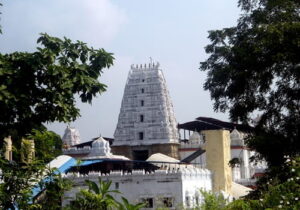
Located in Sarpavaram, approximately 5 km from Kakinada city, this historic Vishnu temple dates back approximately 500 years, with construction featuring a gorgeous and intricate design. As one of 108 sacred Vaishnava Kshetras, tradition holds that staying here for three days bestows the merit of performing a hundred horse-sacrifices.
8. Uppada Beach
Located approximately 10 km from Kakinada city centre, Uppada Beach is rated among the finest beaches in South India, featuring a long shoreline, silver sand, crystal clear water, and stunning sunrise and sunset views. Considered one of the safest beaches on the eastern coast, Uppada offers cricket, football, jogging, trekking, and the opportunity to befriend local fishermen for a deep-water fishing excursion.
9. Pandavula Metta and Talupulamma Lova
Pandavula Metta, a hillock near Peddapuram, is believed by tradition to be where the Pandava brothers lived during a portion of their 13-year exile, situated in what was once jungle within the Dandakaranya forest between the Bay of Bengal and the Godavari River — complete with two natural caves facing east and Bhima’s footprints still visible today. Talupulamma Lova, often called “God’s own district,” is the abode of the swayambhu goddess Talupulamma Thalli, believed to protect devotees from accidents and dangers, set within a fascinating valley landscape for nature and adventure lovers.
Temples of Kakinada District
| Temple | Location | Deity | Key Feature |
| Sri Veera Venkata Satyanarayana Swami Temple | Annavaram (Ratnagiri Hill) | Sri Satyadeva (Vishnu form) | Second in popularity to Tirupati; Vratham tradition |
| Sri Kukkuteswara Swamy Temple | Pithapuram | Lord Shiva | One of 18 Shakti Peethas (“Puruhutika”); cock-shaped lingam |
| Kumararama Bhimeswara Swamy Temple | Samalkot | Lord Shiva | Pancharama Kshetra; 16-foot limestone Linga; 100-pillar mandapam |
| Draksharama Bheemeshwara Swamy Temple | Draksharamam | Lord Shiva | “Dakshina Kashi”; 8-foot Lingam; 4 cardinal-direction gates |
| Sri Bhavanarayana Swamy Temple | Sarpavaram, ~5 km from Kakinada | Lord Vishnu (Bhavanarayana) | One of 108 Vaishnava Kshetras; 500 years old |
| Tholi Tirupati | ~27 km north of Kakinada | Lord Venkateswara | Believed first of 108 Tirupatis; 9,000 years old |
| Andhra Sabarimala | ~64 km from Kakinada | Lord Ayyappa | Replica of Kerala’s Sabarimala temple |
Weather in Kakinada District
October to March — Best Time: Pleasant weather conducive to temple visits, beach excursions, and wildlife sanctuary exploration across the district’s coastal and inland attractions.
Summer (April-June): Hot and humid conditions typical of coastal Andhra Pradesh, making this period less comfortable for extended outdoor sightseeing.
Monsoon (July-September): Significant rainfall typical of the Godavari delta region; the Coringa mangrove ecosystem and surrounding wetlands remain active habitats throughout this period for resident and migratory bird species.
Things to Do in Kakinada District (2026)
Pilgrimage Circuit to Annavaram and Pithapuram — Combine the Satyanarayana Swami Temple’s panoramic hilltop setting with Pithapuram’s ancient Shakti Peetha for a comprehensive devotional day.
Pancharama Temple Tour — Visit Samalkot’s Kumararama Bhimeswara Temple and Draksharamam’s Bheemeshwara Swamy Temple to experience two of the five sacred Pancharama Kshetras within a single excursion.
Wooden Bridge Trek at Coringa Wildlife Sanctuary — Walk through India’s second-largest mangrove forest, watching for endangered vultures, pelicans, and saltwater crocodiles.
Adurru Buddhist Heritage Visit — Explore the 2,400-year-old excavated stupas and chaityas at this globally significant Buddhist archaeological site.
Sunrise and Sunset at Uppada Beach — Spend a relaxed day on one of South India’s finest and safest beaches, combining swimming, sports, and local fishing culture.
Day Trip to Yanam — Experience the unique blend of French colonial and Telugu culture at this former Dutch-then-French enclave near Kakinada.
How to Reach Kakinada District
By Air: Rajahmundry Airport is the nearest, approximately 60 km from Kakinada; Vizag International Airport offers better international and broader domestic connectivity at approximately 125-160 km away.
By Train: Kakinada is well connected by train to Shirdi, Mumbai, Hyderabad, Vizag, Chennai, Vijayawada, Tirupati, and Bangalore.
By Road: Kakinada is well connected by APSRTC bus services to major cities including Hyderabad, Chennai, Bangalore, Vizag, Vijayawada, and Tirupathi.
Conclusion
Kakinada district delivers one of coastal Andhra Pradesh’s most religiously and historically dense corridors — Annavaram’s Tirupati-rivaling pilgrimage draw, Pithapuram’s ancient Shakti Peetha and Dattatreya birthplace legend, the Pancharama Shiva shrines at Samalkot and Draksharamam, and a 2,400-year-old Buddhist heritage site ranked among the world’s most significant. Combined with Coringa’s mangrove wilderness and Uppada’s pristine coastline, Kakinada offers travellers a genuinely complete cross-section of Andhra’s spiritual, natural, and colonial-era heritage.
FAQs About Kakinada District, Andhra Pradesh
Q1. What is Kakinada district famous for?
A: Kakinada is famous for the Annavaram Satyanarayana Swami Temple (second in popularity only to Tirupati), Pithapuram’s ancient Shakti Peetha, the Pancharama Shiva temples at Samalkot and Draksharamam, Coringa Wildlife Sanctuary (India’s second-largest mangrove forest), and the 2,400-year-old Buddhist excavation site at Adurru.
Q2. What is the significance of Pithapuram as a Shakti Peetha?
A: Pithapuram is one of the Ashta Dasha (Eighteen) Shakti Peethas of Hindu tradition, known by the name “Puruhutika” (the 10th Peetham), believed to be where part of Sati Devi’s body fell. The town is also revered as the birthplace of Dattatreya, embodying the three forms of Brahma, Vishnu, and Maheswara, according to the Gurucharitra.
Q3. Why is Adurru considered one of the most significant Buddhist sites in the world?
A: Adurru, a 2,400-year-old Buddhist excavation site near Kakinada, is cited as one of the three most popular Buddhist stupa sites globally, alongside Ranchi and Sarnath. The site was first excavated in 1925 and declared a protected monument by the Archaeological Survey of India in 1953, featuring numerous structures from the Buddhist and Ashokan era.
Q4. What makes the Kumararama Bhimeswara Swamy Temple at Samalkot architecturally significant?
A: This Pancharama Kshetra temple, built in the 9th century by Chalukya Kumara Rama, houses a remarkable 16-foot limestone Shiva Linga that rises from the ground floor pedestal and pierces through the roof into the second floor, where the Rudrabhaga is worshipped. The temple’s mandapam is supported by 100 pillars, and an Ekasila Nandi (single-stone bull) guards the entrance.
Q5. When is the best time to visit Kakinada district?
A: October to March offers the most pleasant weather for visiting Kakinada’s temples, beaches, and the Coringa Wildlife Sanctuary, avoiding the hot, humid summer months (April-June) and the heavy monsoon rainfall typical of the Godavari delta region (July-September).