Ganjam District, Odisha: Top Attractions, History, Temples, Weather & Things to Do
Ganjam district sits along the Bay of Bengal coastline in southern Odisha, its name derived from “Gan-i-aam” — meaning “storehouse of food grains” — reflecting the region’s historic agricultural fertility. Berhampur, the district’s administrative headquarters, is widely known as the Silk City of Odisha and ranks as the state’s fourth largest city, with the Rushikulya River — often called the “Ganga of Ganjam” — flowing through the heart of the region. Ganjam was part of ancient Kalinga, occupied by Emperor Ashoka in 261 BCE, and later passed through French and British colonial control before being separated from the Madras Presidency to form part of the newly created Odisha province on 1 April 1936.
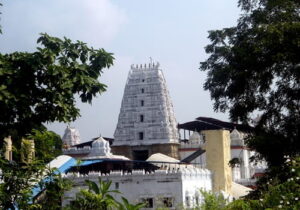
The district’s crown jewel is Taratarini Temple — one of the most revered Shakti Peethas in Odisha, perched on a hilltop accessible by cable car. Beyond this spiritual landmark, Ganjam offers Taptapani’s medicinal sulphur hot springs, Gopalpur-on-Sea’s colonial-era beach charm, and one of the world’s most significant wildlife phenomena — the annual mass nesting of endangered Olive Ridley turtles at the Rushikulya river mouth, making Odisha the largest such nesting site on Earth.
Ganjam District, Odisha — Quick Overview
| Feature | Details |
| State | Odisha |
| District Headquarters | Chhatrapur (administrative); Berhampur (largest city, “Silk City”) |
| District Formed | 1 April 1936 |
| Name Origin | “Gan-i-aam” — storehouse of food grains |
| Famous For | Taratarini Temple, Taptapani Hot Springs, Gopalpur-on-Sea, Rushikulya Olive Ridley Turtle Nesting |
| Key River | Rushikulya (“Ganga of Ganjam”) |
| Distance from Bhubaneswar | ~169 km |
| Nearest Airport | Biju Patnaik International Airport, Bhubaneswar (~155-169 km) |
| Railway Station | Berhampur Station; Chhatrapur Station |
| Best Time to Visit | October to March (some sources extend to June) |
| Key Wildlife Event | Olive Ridley nesting — late February to early March |
History of Ganjam District
1. Kalinga and Mauryan Rule
The Ganjam region was part of ancient Kalinga, the powerful kingdom occupied by Emperor Ashoka in 261 BCE following the historic Kalinga War — one of the most consequential conflicts in Indian history, which led to Ashoka’s transformation and embrace of Buddhism. This deep antiquity is reflected in the district’s numerous ancient temple sites and the layered religious heritage that followed.
2. French and British Colonial Period
The district takes its name from the old township and European fort of Ganjam, situated on the northern bank of the Rushikulya River, which originally served as the district headquarters. During the period beginning 1757, the region came under the control of French Commander Bussy. In 1759, the French were defeated by the English, and the district was subsequently annexed by British control. The office of the District Collector was established in 1794, and Ganjam remained part of the Madras Presidency until it was separated and formed part of the newly created Odisha province with effect from 1 April 1936.
3. Berhampur’s Modern Identity
Berhampur, the district’s largest city, developed its reputation as the “Silk City of Odisha,” renowned for its exquisite silk sarees and silver filigree work, alongside Bomkai weaving traditions that remain economically and culturally vital to the region today.
Top Attractions in Ganjam District
1. Taratarini Temple
Located approximately 25-35 km from Berhampur on the hill village of Govindapur, Taratarini Temple is one of Odisha’s most revered Shakti Peethas, housing twin deity seats of the goddess atop a hill covered in dense forest. Traditionally reached by climbing 999 steps from the ground, the temple is now also accessible via a scenic ropeway ride. A great festival is held here on the third Tuesday of each month of Chaitra, drawing large numbers of devotees to witness worship of Maa Taratarini, making this one of the most significant pilgrimage gatherings in southern Odisha.
2. Taptapani Hot Springs
Surrounded by the Eastern Ghats and inhabited by ancient tribal communities, Taptapani is famous for its perennial natural sulphur hot spring, believed to possess medicinal properties capable of curing aches, pains, and skin ailments including eczema and scabies — the water is also traditionally used for blessing barren women with child. Located approximately 50 km from Berhampur and 18 km from Mohana, Taptapani is surrounded by natural green hills, with a nearby deer park maintained by the Forest Department and temples including Sri Nilakantheswar Temple and Kandimata Mandir. A majestic Buddhist monastery at the Tibetan settlements of Jeerang and Chandragiri sits approximately 35 km away, adding a distinct spiritual dimension to the region.
3. Gopalpur-on-Sea
A historic seaport and seaside resort located approximately 16 km from Berhampur, Gopalpur Sea Beach extends along the Bay of Bengal coastline and is famous for its long, sandy beach suitable for bathing and relaxation. Multiple star hotels and resorts line the beach, making it one of the most established and visited tourist destinations in the district.
4. Rushikulya River Mouth — Olive Ridley Turtle Nesting
One of the most ecologically significant wildlife events in the world occurs annually at the Rushikulya river mouth, where lakhs (hundreds of thousands) of endangered Olive Ridley turtles flock for mass nesting, typically from the third week of February through the first week of March. Odisha is recognised as the largest mass nesting site for Olive Ridley turtles globally, making this a genuinely world-class wildlife spectacle within easy reach of Berhampur.
5. Chilika Lake (Rambha Side)
A chain of magnificent hotels and cottages line the banks of Chilika Lake at Rambha within Ganjam district, offering recreation and exciting boat rides to Kalijai Temple — situated on an island where, according to local legend, Goddess Kalijai resides — along with numerous other islands scattered across Asia’s largest brackish water lagoon. Breakfast Island (also called Sankuda Island), a uniquely pear-shaped formation between Badakuda and Somolo islands near Rambha, was built by the king of Khallikote and remains a striking, if now ruined, architectural curiosity.
6. Buddhakhol
Located approximately 3 km north of Buguda, Buddhakhol is a scenic spot featuring a perennial waterfall, caves, and ancient temples, with strong local belief that Lord Buddha himself visited the place and preached Buddhism here — adding genuine Buddhist heritage significance to this naturally beautiful destination.
7. Beleswar Temple
Home to one of the world’s largest Shiva statues, Beleswar Temple combines enchanting floral plantations and gardens with a lovely adjacent beach, making it one of the most desirable picnic and pilgrimage spots in the district.
8. Biranchi Narayan Temple
Located at Bhanjanagar, approximately 80-81.5 km from Berhampur, Biranchi Narayan Temple is regarded as the second Surya (Sun) Temple of Odisha after Konark, popularly known as the “Wooden Konark” and dedicated to Viranchinarayan — an architecturally and historically significant alternative to the more famous coastal Sun Temple.
9. Mahendragiri
An undeveloped but genuinely beautiful hill station within Ganjam district, Mahendragiri offers a quieter, less commercialised hiking and nature experience, though visitors are advised that road conditions require preparation.
Temples of Ganjam District
| Temple | Location | Deity | Key Feature |
| Taratarini Temple | Govindapur hill, ~25-35 km from Berhampur | Goddess Tara & Tripurasundari | Major Shakti Peetha; 999 steps; ropeway access |
| Maa Kureisuni Temple | Near Purusottampur, ~35 km from Berhampur | Goddess Kureisuni (Shakti Peetha) | Established 9th century; archaeological importance |
| Narayani Devi Temple | Khallikote, ~71-88 km from Berhampur | Goddess Narayani (10-armed) | One of Odisha’s Shaktipeethas; natural spring |
| Maa Bhairavi Temple | Mantridi village, near Berhampur | Goddess Bhairavi | Important Shakti Pitha |
| Biranchi Narayan Temple | Bhanjanagar | Surya (Sun God) | “Wooden Konark”; second Sun Temple of Odisha |
| Beleswar Temple | Coastal Ganjam | Lord Shiva | World’s largest Shiva statue; beachside setting |
| Mahuri Kalua Temple | Ganjam district | Hindu deity | Notable district pilgrimage site |
Weather in Ganjam District
October to March — Best Time: Pleasant weather ideal for beach visits, temple tours, and exploring all of Ganjam’s natural attractions; some sources extend the recommended window through June for general sightseeing.
Late February to Early March — Olive Ridley Nesting Season: A unique seasonal wildlife window specifically for witnessing the mass turtle nesting phenomenon at Rushikulya river mouth.
Monsoon and Winter (Taptapani): Taptapani is described as an all-season destination, though the preferred time to enjoy the hot spring dip and visit nearby attractions is specifically during monsoon and winter months.
Things to Do in Ganjam District (2026)
Ropeway and Pilgrimage at Taratarini Temple — Visit during the third Tuesday of Chaitra month for the temple’s grandest annual festival, or any time for the scenic ropeway and panoramic hilltop views.
Sulphur Spring Soak at Taptapani — Combine the medicinal hot spring dip with visits to the nearby deer park, Buddhist monastery at Jeerang, and Khasada Waterfall.
Witness Olive Ridley Turtle Nesting — Time a late February to early March visit to the Rushikulya river mouth for one of the world’s most significant wildlife nesting events.
Boat Ride to Kalijai Temple, Chilika Lake — Depart from Rambha or Barkul for an island-hopping boat journey through Asia’s largest brackish water lagoon.
Relax at Gopalpur-on-Sea — Spend a day or evening at this historic colonial-era beach resort town, combining sea views with comfortable lodging options.
Explore Berhampur’s Silk Markets — Shop for authentic silk sarees, silver filigree work, and Bomkai weaving in the heart of the “Silk City.”
How to Reach Ganjam District
By Air: Biju Patnaik International Airport, Bhubaneswar, is approximately 150-169 km from the district, the nearest major air connection.
By Train: Berhampur Railway Station and Chhatrapur Railway Station provide regular connectivity to major Indian cities.
By Road: Ganjam is approximately 150 km from Bhubaneswar via NH-16, with Berhampur serving as the main transportation hub for buses connecting to other parts of Odisha and neighbouring states.
Conclusion
Ganjam district delivers southern Odisha’s most complete coastal-cultural experience — the Shakti Peetha hilltop pilgrimage at Taratarini, the medicinal sulphur waters of Taptapani amid Eastern Ghats tribal villages, Gopalpur’s historic seaside charm, and a globally significant wildlife spectacle at the Rushikulya turtle nesting grounds. For travellers seeking a genuine blend of spirituality, natural beauty, and rare ecological encounters, Ganjam rewards thorough, unhurried exploration.
FAQs About Ganjam District, Odisha
Q1. What is Ganjam district famous for?
A: Ganjam is famous for the Taratarini Temple (a major Shakti Peetha), Taptapani’s medicinal sulphur hot springs, Gopalpur-on-Sea beach, the annual mass nesting of endangered Olive Ridley turtles at the Rushikulya river mouth, and Berhampur’s reputation as the “Silk City of Odisha.”
Q2. What is the significance of the Olive Ridley turtle nesting at Rushikulya?
A: Every year, typically from the third week of February to the first week of March, hundreds of thousands of endangered Olive Ridley turtles flock to the Rushikulya river mouth in Ganjam district for mass nesting. Odisha is recognised as the largest mass nesting site for Olive Ridley turtles anywhere in the world, making this a globally significant conservation and wildlife tourism event.
Q3. Why is Taratarini Temple important?
A: Taratarini Temple, situated on a hilltop in Govindapur village, is one of Odisha’s most revered Shakti Peethas, housing twin seats of the goddess (Tara and Tripurasundari). Traditionally accessed via 999 steps and now also by ropeway, the temple hosts a major festival on the third Tuesday of every Chaitra month, drawing large crowds of devotees from across the state.
Q4. What are the medicinal properties of the Taptapani hot springs?
A: The natural sulphur hot spring at Taptapani is believed to have medicinal properties capable of curing aches, pains, and skin ailments such as eczema and scabies. The water is also traditionally used to bless barren women seeking children, making it one of the district’s most popular destinations combining wellness with spiritual significance.
Q5. When is the best time to visit Ganjam district?
A: October to March offers the most pleasant weather for beach visits, temple tours, and general sightseeing, with some sources extending the recommended window through June. The Olive Ridley turtle nesting (late February to early March) and the Taratarini Temple’s Chaitra festival represent two especially significant seasonal events worth planning around.