Alirajpur District, Madhya Pradesh: Top Attractions, History, Temples, Weather & Things to Do
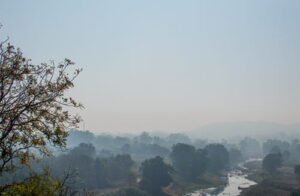
Alirajpur district occupies the westernmost edge of Madhya Pradesh, sharing borders with Gujarat to the west, Maharashtra to the south, and Jhabua district to the north — a hilly, forested tribal heartland set on the Vindhyan range north of the Narmada River along the southwestern margin of the Malwa plateau. Created from the erstwhile Jhabua district on 17 May 2008, Alirajpur holds two distinctive national distinctions: it was ranked the least literate district in India as per Census 2011 (with a literacy rate of 37.22%), and it is home to one of the rarest and most prized mango varieties in the world — the Noor Jahan mango, a legendary fruit found growing in only a handful of surviving trees near Katthiwara village.
Alirajpur was historically a princely state of the Rathore Rajputs under the Bhopawar Agency in Central India, before merging with Madhya Pradesh after independence in 1947. The district is dominated — 88.98% of its population — by the Bhil and Bhilala tribal communities, whose living cultural practices, including Pithora wall paintings, Bhagoria festival, and intricate silver and bead jewellery, define the region’s identity more powerfully than any of its formal monuments. The district is also the birthplace of Chandra Shekhar Azad, one of India’s most celebrated revolutionary freedom fighters.
Alirajpur District, Madhya Pradesh — Quick Overview
| Feature | Details |
| State | Madhya Pradesh |
| District Headquarters | Alirajpur town |
| District Formed | 17 May 2008 (from Jhabua district) |
| Area | 2,165.24 sq km |
| Population | 728,999 (2011 census) |
| Tribal Population | 88.98% Scheduled Tribes (predominantly Bhil and Bhilala) |
| Famous For | Bhagoria Festival, Noor Jahan mango, Pithora paintings, Rajwara Fort, Victoria Bridge, Panchlingeshwar Temple |
| Key Rivers | Sukkad, Hathni, Narmada (nearby) |
| Birthplace | Chandra Shekhar Azad (Bhabhra tehsil) |
| Railway | Alirajpur-Pratapnagar (Vadodara) line (inaugurated October 2019) |
| Nearest Airport | Indore Airport (~100-150 km) |
| Best Time to Visit | October to March; March for Bhagoria Festival |
History of Alirajpur District
Alirajpur Princely State and the Rathore Rajputs
Alirajpur was historically the capital of Alirajpur State — a princely state under the Bhopawar Agency in Central India, ruled by Rathore Rajputs. The city’s strategic position on the Khandwa-Baroda state highway made it an important transit and commercial node under princely administration. The state came under British administration periodically throughout the colonial period, with the Victoria Bridge built in 1897 to commemorate Queen Victoria’s Diamond Jubilee — a colonial-era landmark that stands to this day.
Following Indian independence in 1947, the ruling family of Alirajpur State moved to Delhi. The last ruler of Ali Rajpur, Surendra Singh, subsequently served as the Ambassador of India to Spain in the 1980s — an unusual post-royal trajectory that reflects the broader pattern of former princely families finding roles in independent India’s diplomatic service.
Bhabhra — Birthplace of Chandra Shekhar Azad
One of the district’s five tehsils, Bhabhra (now renamed Chandra Shekhar Azad Nagar in honour of its most famous son), is the birthplace of Chandra Shekhar Azad — the celebrated revolutionary freedom fighter who became one of the most iconic figures of India’s independence movement. Azad famously declared he would never be captured alive by the British and kept his word, dying in a fierce gunfight with British police at Allahabad’s Alfred Park on 27 February 1931. The tehsil’s renaming permanently connects the district to this revolutionary legacy.
Bhil Tribal History — Dominant Cultural Identity
With 88.98% of its population belonging to Scheduled Tribes — predominantly the Bhil and Bhilala communities — Alirajpur is one of India’s most distinctively tribal districts. The Bhils have inhabited these Vindhyan forested hills for centuries, maintaining living traditions of Pithora ritualistic wall painting (created by Bhilala and Rathwa tribes and deeply rooted in community belief systems), intricate silver jewellery, bead jewellery, pottery, and wood carving that continue to define the district’s cultural economy. The district has long served as a centre of tribal trade and cultural exchange, with the city’s agricultural trading yard for mangoes being among the largest in Madhya Pradesh.
The Noor Jahan Mango — A Legendary Fruit
Alirajpur’s agricultural identity is inseparable from its deep association with mango cultivation, and the Noor Jahan mango variety stands apart as genuinely legendary. Found growing in only a handful of surviving trees near Katthiwara village — approximately an hour from Alirajpur — these rare mangoes weigh between 2.5 and 3.5 kg each (some specimens reportedly reaching 4-5 kg), with a single fruit reportedly fetching prices of ₹500-1,200 at auction during peak season. The mango’s name, attributed to the Mughal Empress Noor Jahan, adds historical romance to its culinary significance.
Top Attractions in Alirajpur District
Rajwara Fort
Located in the heart of Alirajpur city, Rajwara Fort is the former seat of the Rathore Rajput princely rulers of Alirajpur State. The fort complex houses the historic Fateh Club — a beautifully maintained playground within the fort’s grounds — making it one of the few Indian forts where heritage architecture coexists with active sporting and recreational use. The fort’s architecture reflects the layered history of the princely state, offering visitors a compact but atmospheric glimpse into Alirajpur’s royal past.
Victoria Bridge
Built in 1897 to commemorate the Diamond Jubilee of Queen Victoria’s reign, the Victoria Bridge is one of Alirajpur’s most historic landmarks and remains one of the most photographed colonial-era structures in the Malwa region of western Madhya Pradesh. It stands as a tangible connection to the district’s period under British administration and the broader story of the Alirajpur princely state’s complicated relationship with colonial authority.
Panchlingeshwar Mahadev Temple
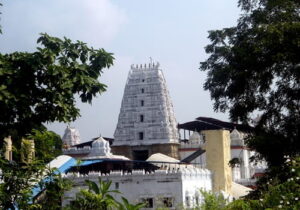
Located approximately 5 km from Alirajpur town, the Panchlingeshwar Temple is considered the district’s most architecturally significant religious monument. The temple is hand-carved from stone using traditional techniques, featuring small temples carved in the same form as the main structure within its walls, alongside ancient figures of gods and goddesses reflecting deep historical craftsmanship. The temple’s unusual nested miniature-temple design within its main structure makes it architecturally distinctive even within the broader landscape of MP’s temple heritage.
Laxmani Teerth (Jain Temple)
One of the district’s most celebrated Jain pilgrimage sites, Laxmani Teerth houses the revered idol of Padma Prabhu Swami and represents the significant Jain heritage presence within this otherwise predominantly tribal district. The temple draws Jain devotees from across Madhya Pradesh and Gujarat.
Kajalrani Temple
A significant local temple dedicated to Goddess Kajalrani, this site represents one of Alirajpur’s important Hindu religious destinations alongside the Panchlingeshwar Temple and Laxmani Teerth, contributing to the district’s diverse spiritual landscape.
Malwai Devi Temple
The temple of Goddess Malwai holds cultural significance for the local community, reflecting the syncretic devotional traditions — blending Hindu, Bhil, and regional tribal practices — that characterise religious life throughout the Alirajpur district.
Bhagoria Festival
Perhaps Alirajpur’s most distinctive and internationally curious cultural attraction, the Bhagoria Festival — celebrated by the Bhil and Bhilala communities during the week before Holi (typically in March) at weekly markets (haats) — is a spirited tribal courtship and celebration tradition marked by colour, music, dance, and age-old customs that reflect the social fabric of the region. Young men and women participate in traditional courtship rituals at Bhagoria haats, with the festival drawing significant media attention and cultural tourism interest. For travellers interested in authentic, living tribal culture, Bhagoria offers an irreplaceable window into Bhil social life.
Pithora Paintings and Aadharkaanch Village
The village of Aadharkaanch in Alirajpur district is a remote tribal hamlet where Bhil and Bhilala artisans create silver work, pottery, bead jewellery, and the distinctive Pithora paintings — ritualistic wall art created by the Bhilala and Rathwa tribes, deeply embedded in community belief systems and spiritual practice. A visit here, ideally arranged with a local cultural guide, offers one of central India’s most authentic tribal art encounters.
Noor Jahan Mango — Katthiwara
The legendary mango trees near Katthiwara village (approximately 1 hour from Alirajpur) offer a unique agri-tourism experience during mango season (typically May-June), when these extraordinary 2.5-3.5 kg fruits can be seen, photographed, and occasionally purchased at the district’s large mango trading yard — an experience found nowhere else in India.
Temples and Sacred Sites of Alirajpur District
| Site | Location | Deity/Tradition | Key Feature |
| Panchlingeshwar Mahadev Temple | ~5 km from Alirajpur | Lord Shiva (five lingams) | Hand-carved stone architecture; miniature temples within main structure |
| Laxmani Teerth | Alirajpur district | Padma Prabhu Swami (Jain) | Significant Jain pilgrimage site |
| Kajalrani Temple | Alirajpur | Goddess Kajalrani | Notable local Hindu shrine |
| Malwai Devi Temple | Alirajpur | Goddess Malwai | Syncretic tribal-Hindu devotional tradition |
Weather in Alirajpur District
October to March — Best Time: Pleasant, cool conditions across the Vindhyan hill and forest terrain, ideal for exploring the district’s tribal culture, monuments, and natural landscape.
March (Bhagoria Festival) — Cultural Peak: The week before Holi represents the single most significant cultural event in Alirajpur’s annual calendar, with Bhagoria haats drawing tribal communities from across the district and beyond.
May-June — Noor Jahan Mango Season: While not the most comfortable weather (temperatures can reach 40°C+), this is the only time to witness and purchase the legendary Noor Jahan mango near Katthiwara.
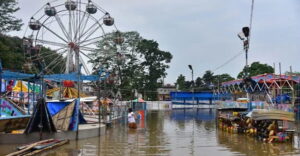
Monsoon (June-September): Significant rainfall across the district’s hilly terrain creates lush forested landscapes, though access to some villages can become challenging.
Things to Do in Alirajpur District (2026)
Bhagoria Festival Experience — Time a March visit for the week before Holi to witness the Bhil and Bhilala tribal communities’ spirited courtship and celebration festival at weekly haats across the district.
Pithora Painting Village Visit — Arrange a guided visit to Aadharkaanch village to observe and learn about Pithora ritualistic wall art, silver jewellery, and bead craft directly from Bhil artisans.
Rajwara Fort and Victoria Bridge Heritage Walk — Combine these two historic landmarks in Alirajpur town for a compact colonial and princely-era heritage circuit.
Panchlingeshwar Temple Pilgrimage and Architecture Study — Examine the hand-carved stone temple’s distinctive nested miniature structures and ancient deity figures 5 km from town.
Noor Jahan Mango Agri-Tourism (May-June) — Visit Katthiwara to see the legendary trees and the district’s large mango trading yard during the brief annual season.
Chandra Shekhar Azad Nagar (Bhabhra) Freedom Heritage Visit — Pay tribute to the revolutionary freedom fighter at the tehsil renamed in his honour.
How to Reach Alirajpur District
By Air: Indore Airport is the nearest major airport, approximately 100-150 km away; Vadodara (Baroda) Airport in Gujarat is approximately 200 km.
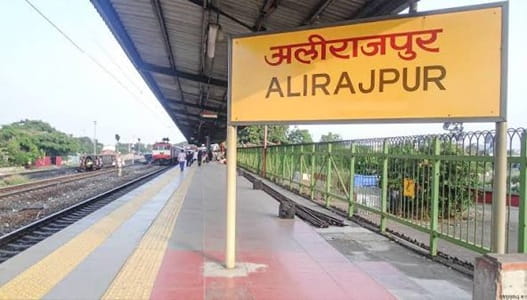
By Train: A new railway line between Alirajpur Station and Pratapnagar Station in Vadodara was inaugurated in October 2019, providing the district’s first significant rail connectivity. Indore and Ratlam serve as the main junction points within Madhya Pradesh.
By Road: Alirajpur is located on the Khandwa-Baroda state highway, approximately 100 km from Indore and 150 km from Vadodara, with regular bus services connecting to Indore, Ratlam, and Baroda.
Conclusion
Alirajpur district offers travellers one of central India’s most genuinely authentic tribal cultural experiences — the Bhagoria festival’s living courtship traditions, Pithora wall paintings embedded in ritual belief, hand-carved stone temple architecture at Panchlingeshwar, and the global uniqueness of the Noor Jahan mango found nowhere else on Earth. For visitors willing to venture to western Madhya Pradesh’s quietest and most tribal-dominated corner, Alirajpur reveals a district whose low literacy rates exist alongside extraordinary craft, artistic, and cultural depth — a place where ancient tradition and living indigenous life are still genuinely, unhurriedly intact.
FAQs About Alirajpur District, Madhya Pradesh
Q1. What is Alirajpur district famous for?
Alirajpur is famous for its Bhagoria tribal festival (Bhil and Bhilala community courtship celebration before Holi), the legendary Noor Jahan mango grown near Katthiwara village, Pithora ritualistic wall paintings, the Panchlingeshwar Mahadev Temple’s hand-carved stone architecture, and as the birthplace of revolutionary freedom fighter Chandra Shekhar Azad.
Q2. What is the Bhagoria Festival?
Bhagoria is a spirited tribal festival celebrated by the Bhil and Bhilala communities during the week before Holi (typically March) at weekly haats (markets) across Alirajpur district. It is a traditional courtship and celebration event marked by colour, music, dance, and age-old customs, drawing significant cultural tourism interest for its authentic, living tribal character.
Q3. What makes the Noor Jahan mango special?
The Noor Jahan mango — named after Mughal Empress Noor Jahan — is one of the rarest mango varieties in India, found growing in only a handful of surviving trees near Katthiwara village, approximately one hour from Alirajpur. Individual fruits weigh between 2.5 and 3.5 kg, with some specimens reaching 4-5 kg, and single mangoes command prices of ₹500-1,200 at auction during peak season.
Q4. Who was Chandra Shekhar Azad and how is he connected to Alirajpur?
Chandra Shekhar Azad was one of India’s most celebrated revolutionary freedom fighters, famous for his vow never to be captured alive by the British — a promise he kept until his death in a gunfight at Allahabad’s Alfred Park on 27 February 1931. He was born in Bhabhra tehsil of what is now Alirajpur district, which has since been renamed “Chandra Shekhar Azad Nagar” in his honour.
Q5. When is the best time to visit Alirajpur district?
October to March offers the most pleasant weather for general sightseeing and cultural exploration. March specifically is ideal for the Bhagoria Festival in the week before Holi, while May-June is the only time to witness and purchase the legendary Noor Jahan mango near Katthiwara — though temperatures exceed 40°C during this period.