Tirupati District, Andhra Pradesh: Top Attractions, History, Temples, Weather & Things to Do (2026)
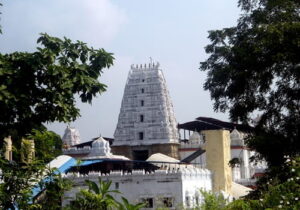
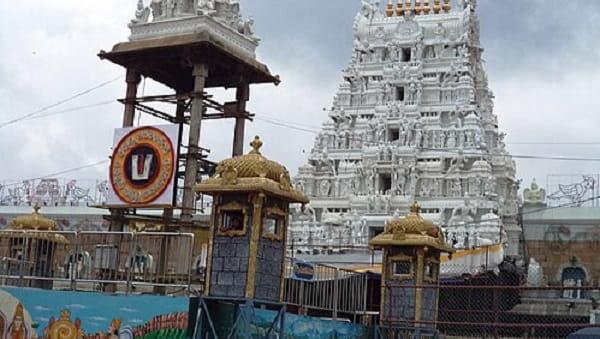
Tirupati district is anchored by what may be the single most visited religious destination on Earth — the Sri Venkateswara Temple at Tirumala, perched on the seventh peak of the Seshachalam Hills (part of the Eastern Ghats) at an elevation of approximately 2,800-3,200 feet. Construction of the temple began around 300 CE under a Thondaiman king, with successive contributions from the Pallavas, Cholas, Pandyas, and Vijayanagara rulers — most notably Emperor Krishnadevaraya, who donated substantial gold and jewels in the 16th century. Today the temple receives between 60,000 and 80,000 daily visitors, approaching 25 million annually, with an estimated value of roughly $30 billion as of 2024, making it one of the wealthiest religious institutions in the world.
But Tirupati district extends well beyond Tirumala’s hill. It encompasses Srikalahasti’s ancient Saiva Kshetra on the Swarnamukhi River, Gudimallam’s Parasurameswara Temple housing what is believed to be the earliest Shiva lingam discovered in India (3rd-2nd century BCE), the historic Chandragiri Fort, and Talakona — Andhra Pradesh’s highest waterfall at 270 feet, hidden within Sri Venkateswara National Park’s forested hills.
Tirupati District, Andhra Pradesh — Quick Overview
| Feature | Details |
| State | Andhra Pradesh |
| District Headquarters | Tirupati |
| Location | Palkonda/Seshachalam Hills, southeastern AP |
| Famous For | Sri Venkateswara Temple (Tirumala), Sri Padmavathi Temple (Tiruchanur), Srikalahasti, Gudimallam, Chandragiri Fort, Talakona Falls |
| Temple Authority | Tirumala Tirupati Devasthanams (TTD) |
| Key River | Swarnamukhi |
| Distance from Chennai | ~134 km |
| Nearest Airport | Tirupati Airport (~15 km from main city) |
| Railway Station | Tirupati Railway Station |
| Best Time to Visit | October to February (peak/crowded); March to June (less crowded) |
| Average Daily Temple Visitors | 60,000-80,000 (up to 25 million annually) |
History of Tirupati District
Ancient Origins and the Thondaiman Foundation
Tirupati is one of India’s oldest cities, mentioned extensively across ancient Vedas and Puranas. The initial Tirumala temple was built by the Tamil Thondaiman king around 300 CE, with the Tamil Sangam epic Silappathikaram (commonly dated to the 2nd century CE) referencing the temple — the protagonist Kovalan expresses his desire to witness Vishnu’s glory, specifically mentioning Tirumala alongside Srirangam.
Dynastic Patronage Across Centuries
The temple’s documented history includes a recorded endowment by Pallava queen Samavai in 966 CE and substantial contributions from successive dynasties: the Pallavas of Kanchipuram (9th century), the Cholas of Tanjore (10th century), the Pandyas of Madurai, and the Vijayanagara Kings (14th-15th centuries), most notably Krishnadevaraya’s 16th-century gold and jewel donations. Ramanujacharya’s visits in the 11th and 12th centuries hold particular theological significance, as he streamlined rituals and introduced new devotional practices that continue to shape worship at the temple today.
Chandragiri — The Fourth Vijayanagara Capital
Chandragiri, near Tirupati, holds significant historical weight as the site of an 11th-century fort that came under the rule of the Yadavaraya Dynasty for nearly three centuries before passing to Vijayanagara control in 1367. The fort rose to particular prominence under Saluva Narasimha Rayalu and ultimately became the fourth capital of the Vijayanagara Empire, cementing the broader Tirupati region’s importance well beyond its religious significance.
Modern Temple Administration
In modern times, temple management evolved through different phases under various ruling powers before settling under the current administration of the Tirumala Tirupati Devasthanams (TTD), governed by the Andhra Pradesh government — an institutional framework that now oversees one of the world’s largest religious operations.
Top Attractions in Tirupati District
Sri Venkateswara Swamy Temple, Tirumala
The crown jewel of the district, this temple sits at the summit of Venkatadri — the seventh peak of the Seshachalam Hills range, with the seven peaks symbolically representing the seven hoods of Adishesha. Dedicated to Venkateswara (a form of Vishnu believed to protect mankind through the trials of Kali Yuga), the temple is one of the eight Vishnu Swayambhu (self-manifested) Kshetras and is listed as the 75th Divya Desam among the 108 sacred shrines celebrated in the Naalayira Divya Prabandham. The temple follows the Vaikhanasa Agama tradition, with the gold-plated Ananda Nilayam dome above the central shrine. The annual nine-day Brahmotsavam festival is the temple’s most spectacular celebration, alongside Vaikunta Ekadashi, Rathasapthami, and Teppotsavam.
Sri Padmavathi Ammavari Temple, Tiruchanur
Located approximately 5 km from Tirupati, Tiruchanur (also called Alimelumangapuram) is home to the temple of Goddess Padmavathi (Alamelumanga), consort of Lord Venkateswara. Tradition holds that a pilgrimage to Tirumala is incomplete without first visiting this temple, where devotees believe the goddess grants permission before ascending to Lord Balaji’s darshan. The temple’s large tank, Padma Sarovaram, allows devotees to take a holy dip before offering prayers.
Srikalahasti
Located on the banks of the Swarnamukhi River, Srikalahasti is one of South India’s most important Saiva Kshetras. The name derives from three creatures — Sri (Spider), Kala (Snake), and Hasti (Elephant) — who worshipped Shiva here and attained salvation, a legend giving the temple its distinctive name and devotional identity as one of the great Pancha Bhuta Sthalams representing the element of Air (Vayu Lingam).
Gudimallam — Parasurameswara Temple
Seven miles from Renigunta, the village of Gudimallam holds extraordinary archaeological significance: the Shiva lingam housed in its Parasurameswara Temple is believed to be the earliest lingam discovered in India, dated to the 3rd or 2nd century BCE — making it one of the most important sites for understanding the deep antiquity of Shaiva worship in the subcontinent.
Chandragiri Fort
Built in the 11th century and ruled successively by the Yadavaraya Dynasty and then the Vijayanagara Empire from 1367, Chandragiri became the fourth capital of Vijayanagara under Saluva Narasimha Rayalu. The fort is one of Tirupati’s prime heritage sites and forms an ideal weekend getaway combination with Tirupati for visitors from Chennai.
Talakona Waterfall
Hidden within Sri Venkateswara National Park, Talakona is Andhra Pradesh’s highest waterfall, plunging dramatically from 270 feet through dense forest. The journey itself, along winding roads surrounded by thick jungle, is part of the adventure. The waterfall creates natural pools at its base where visitors can take refreshing dips, with local belief holding that the water possesses medicinal properties from herbs growing in the surrounding forest. Best visited July to December when monsoon rains keep the falls flowing at full force.
Vakula Matha Temple
Vakula Devi, the foster mother of Lord Venkateswara, is honoured at this Tirupati temple. According to legend rooted in the Dvapara Yuga, Yasoda (foster mother of Krishna) complained to Krishna that she never witnessed any of his marriages; in the Kali Yuga, as Lord Vishnu took the form of Venkateswara, Yasoda was reborn as Vakula Devi specifically to arrange and witness his wedding to Padmavati.
Silathoranam
A naturally formed rock arch near Tirumala, Silathoranam is one of only three such geological arches known to exist in the world — alongside the rainbow arch in Utah, USA. This rare natural formation adds a geological wonder to the district’s predominantly religious tourism identity.
Mukkoti Agastheeshwara Temple
Located near Tirumala hill beside the River Kalyani, this Shiva temple connects to the legend of sage Agastya, who requested that Srinivasa (Venkateswara) and Padmavathi stay at his ashram for six months following their marriage. Footprints attributed to the Lord can reportedly still be seen near the riverside next to Agastya’s ashram.
Temples of Tirupati District
| Temple | Location | Deity | Key Feature |
| Sri Venkateswara Swamy Temple | Tirumala | Lord Venkateswara (Vishnu) | World’s most visited pilgrimage site; ~25 million annual visitors |
| Sri Padmavathi Ammavari Temple | Tiruchanur | Goddess Padmavathi | Pilgrimage to Tirumala considered incomplete without visiting here first |
| Srikalahasteeswara Temple | Srikalahasti | Lord Shiva (Vayu Lingam) | One of the Pancha Bhuta Sthalams; element of Air |
| Parasurameswara Temple | Gudimallam | Lord Shiva | Earliest known lingam in India (3rd-2nd century BCE) |
| Govindarajaswamy Temple | Tirupati city centre | Lord Govindaraja (Vishnu) | Ancient Hindu-Vaishnavite temple |
| Mukkoti Agastheeshwara Temple | Near Tirumala, on River Kalyani | Lord Shiva | Agastya muni legend connection |
| Sri Vedanarayana Swamy Temple | Nagalapuram | Lord Vishnu | Built by Vijayanagara King Srikrishna Devaraya; equinox sun ray phenomenon |
| Pallikondeswara Temple | Surutupalle village | Lord Shiva | Also known as Pradosha Kshetram |
Weather in Tirupati District
October to February — Best Time (Peak Season): Pleasant temperatures of 15-30°C make this the most comfortable period, though it coincides with the heaviest pilgrim crowds and major festivals including Brahmotsavam.
March to June — Less Crowded Alternative: Warm but still manageable temperatures, with a noticeably calmer temple atmosphere compared to peak season — recommended for visitors prioritising a serene darshan experience over festival timing.
July to December — Best for Talakona Waterfall: This period sees the waterfall flowing at full monsoon-fed force, making it the ideal window for nature-focused excursions within Sri Venkateswara National Park.
Things to Do in Tirupati District (2026)
Darshan at Sri Venkateswara Temple, Tirumala — Plan well in advance; consider government package tours through APTDC, IRCTC, or TTDC, or book VIP break darshan at the Tirupati airport arrival hall for expedited access.
Visit Sri Padmavathi Temple Before Ascending to Tirumala — Following tradition, complete this temple visit at Tiruchanur first for a fuller pilgrimage experience.
Srikalahasti and Gudimallam Heritage Circuit — Combine the ancient Saiva Kshetra at Srikalahasti with the archaeologically significant Parasurameswara Temple at Gudimallam for a deep dive into Shaiva history.
Trek to Talakona Waterfall — Time the visit for monsoon-fed months (July-December) and combine with wildlife spotting in Sri Venkateswara National Park.
Explore Chandragiri Fort — A historically rich half-day stop, ideal as part of a combined Tirupati-Chandragiri itinerary popular with Chennai weekend travellers.
Witness Brahmotsavam (if timed correctly) — The nine-day annual festival at Tirumala is the temple’s most spectacular celebration, though it draws the largest crowds of the year.
How to Reach Tirupati District
By Air: Tirupati Airport is approximately 15 km from the main city, with regular domestic connectivity.
By Train: Tirupati Railway Station is well-connected to Chennai (the nearest major rail junction), Vijayawada, Hyderabad, Visakhapatnam, and Bengaluru.
By Road: Tirupati is approximately 134 km from Chennai, 259 km from Bangalore, 413 km from Vijayawada, and 556 km from Hyderabad, with extensive luxury and standard bus connectivity to all major South Indian cities.
Conclusion
Tirupati district concentrates an extraordinary density of spiritual, historical, and natural significance — the world’s most visited and wealthiest temple at Tirumala, India’s earliest discovered Shiva lingam at Gudimallam, the fourth Vijayanagara capital at Chandragiri, and Andhra Pradesh’s highest waterfall hidden within Sri Venkateswara National Park. For pilgrims and heritage travellers alike, few Indian districts offer this level of layered religious and historical depth within a single compact geography.
FAQs About Tirupati District, Andhra Pradesh
Q: What is Tirupati district famous for?
A: Tirupati is famous worldwide for the Sri Venkateswara Temple at Tirumala — one of the most visited and wealthiest religious sites globally, receiving 60,000-80,000 daily visitors. The district also encompasses Srikalahasti (ancient Saiva Kshetra), Gudimallam (earliest known Shiva lingam in India), Chandragiri Fort, and Talakona Waterfall.
Q: How old is the Sri Venkateswara Temple at Tirumala?
A: The original temple is believed to date to around 300 CE, built by a Thondaiman king, with the Tamil Sangam epic Silappathikaram (2nd century CE) already referencing it. The temple received significant patronage and expansion from the Pallavas, Cholas, Pandyas, and Vijayanagara rulers, particularly Krishnadevaraya in the 16th century.
Q: What makes the Gudimallam Shiva lingam historically significant?
A: The Shiva lingam housed in the Parasurameswara Temple at Gudimallam, near Renigunta, is believed to be the earliest lingam discovered in India, dated to the 3rd or 2nd century BCE — making it an exceptionally important site for understanding the ancient origins of Shaiva worship.
Q: Why should pilgrims visit Sri Padmavathi Temple before Tirumala?
A: Tradition holds that a pilgrimage to Tirumala is considered incomplete without first visiting Sri Padmavathi Ammavari Temple at Tiruchanur, dedicated to Goddess Padmavathi, consort of Lord Venkateswara. It is believed that she grants permission and blessings before devotees ascend to seek Lord Balaji’s darshan.
Q: When is the best time to visit Tirupati district to avoid crowds?
A: While October to February offers the most pleasant weather (15-30°C), it is also the peak pilgrim season with the largest crowds, particularly during the nine-day Brahmotsavam festival. March to June offers a less crowded, more serene darshan experience despite warmer temperatures, while weekdays and early mornings are generally recommended over weekends and holidays throughout the year.