Lakhipur, Cachar District, Assam: Tourist Places, History, Barak Valley & Travel Guide
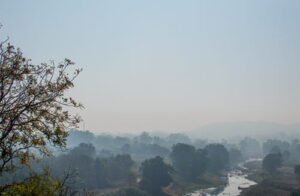
Lakhipur is a small municipal town and tehsil headquarters within Cachar district in the Barak Valley of southern Assam. It sits approximately 25 km east of Silchar — the district headquarters — on NH 53, which connects the Barak Valley to Manipur. To its south flows the Barak River, the defining waterway of this entire valley; to its north runs the Chiri River. Hills rise on all sides, giving the town a distinctly enclosed, verdant character quite different from the flat Brahmaputra plains of Upper Assam.
Lakhipur is not a standalone tourist destination with a curated list of visitor attractions. It is an agricultural market town at the edge of the Cachar district, known principally for producing some of the finest pineapples in the country — a reputation that has spread well beyond Assam. Its surrounding landscape of hills, tea gardens, rivers, and forest cover gives it natural beauty that rewards the unhurried traveller, and its proximity to the historically rich Cachar district means that significant sites like the Khaspur ruins of the Dimasa Kingdom and Haflong — Assam’s only hill station — are within a manageable drive.
Factual Note: Lakhipur is a tehsil/sub-division and town within Cachar district — it is not an independent district of Assam.
Lakhipur (Cachar District), Assam — Quick Overview
| Feature | Details |
| State | Assam |
| Status | Town and tehsil headquarters within Cachar district |
| Parent District | Cachar |
| District Headquarters | Silchar (~25 km west) |
| Location | 24.8°N 93.02°E; elevation 22–42 metres |
| Borders | Barak River (S), Chiri River (N), near Manipur state border (E) |
| Assembly Constituency | Lakhipur Assembly Constituency, Silchar Lok Sabha |
| Languages Spoken | Bengali, Sylheti, Assamese, Dimasa, Meitei |
| Famous For | Lakhipur pineapple, tea gardens, Barak Valley landscape, proximity to Khaspur ruins |
| Nearest Airport | Kumbhirgram Airport, Silchar (~15–25 km) |
| Nearest Railway Station | Silchar Railway Station (~25 km) |
| Best Time to Visit | October to March (sightseeing); July–August (pineapple season) |
| Summer Temperature | 26°C – 36°C |
| Winter Temperature | 10°C – 22°C |
| PIN Code | 788103 |
History of Lakhipur and the Cachar Region
Origins of the Name
Two schools of opinion exist about how Lakhipur got its name. One holds that the name derives from Lakshmi — the Hindu goddess of wealth and prosperity — making Lakhipur the “city of Lakshmi” or the “city of abundance.” The other attributes the name to the Dimasa king Laxminarayan, who ruled this region in the ancient period. Both theories are plausible given the district’s layered history of Dimasa Kachari rule and the deep Hindu cultural traditions of the Barak Valley.
The Dimasa Kachari Kingdom and Khaspur
The broader Cachar district in which Lakhipur sits has one of the most interesting dynastic histories in northeastern India. The Dimasa Kachari people — one of the indigenous Bodo-Kachari ethnic groups — ruled this region for centuries. Their original capital was at Maibong in what is now Dima Hasao district. In 1690, after a complex sequence of political shifts involving the Koch dynasty and the Twipra (Tripura) kingdom, the Dimasa kings relocated their capital to Khaspur — a site about 20 km from Silchar and 25 km from Lakhipur.
Khaspur remained the Dimasa capital for nearly 150 years. The most powerful ruler of this period was Raja Sri Krishna Chandra Dwaja Narayan Hasnu, during whose reign the kingdom engaged in significant military and diplomatic activity including defeating Burmese forces on behalf of the Manipuri king. The last Kachari king, Raja Govinda Chandra, was assassinated in 1830 at Haritikar, and because he died without a natural heir, the British annexed Cachar under the doctrine of lapse.
British Period and Language Movement
Cachar became part of the British Assam province in 1874. The district was administered from Silchar, and Lakhipur developed as an agricultural market town serving the eastern portions of the Cachar plains near the Manipur border.
In 1964, Cachar became the site of a significant language movement — a struggle to have Bengali recognised as the official language of the district. Eleven people died in the movement, and their tombs at Martyr’s Tomb in Gandhi Bag in Silchar remain an important memorial. The movement is central to Bengali cultural identity in the Barak Valley and is deeply felt in Lakhipur as in the rest of the district.
Top Attractions In and Around Lakhipur
Lakhipur’s Pineapple Landscape
The most distinctive thing about Lakhipur is not a monument or a temple — it is a fruit. Lakhipur is widely recognised as one of the richest pineapple-growing areas in India, producing varieties celebrated for their sweetness, size, and flavour. The hilly terrain around the town, with its acidic laterite soils and high rainfall, creates ideal pineapple cultivation conditions. During the monsoon season (July–August), the roads around Lakhipur are lined with pineapple sellers, and the market in town is stacked with fruit at prices that reflect the abundance of local production.
For visitors, walking through the pineapple fields on the surrounding hillsides — particularly in the pre-harvest period of July — is a genuinely memorable agricultural landscape experience. The combination of hill terrain, red soil, and the spiky green crowns of pineapple plants covering entire hillsides has its own visual distinctiveness.
Barak River and Riverside Scenery
The Barak River — the lifeline of the entire Barak Valley — runs along the southern edge of the Lakhipur area. This is a significant river: it rises in the Nagaland hills and flows westward through Cachar before entering Bangladesh, where it splits into the Surma and Kushiyara rivers. The riverbank near Lakhipur offers quiet scenic landscapes of water, hills, and agricultural countryside typical of Barak Valley’s particular beauty.
The river also serves as an important fishing resource for local communities, and the fresh river fish — particularly in the colder months — is a staple of the local Bengali and Sylheti kitchen.
Tea Gardens of Lakhipur Area
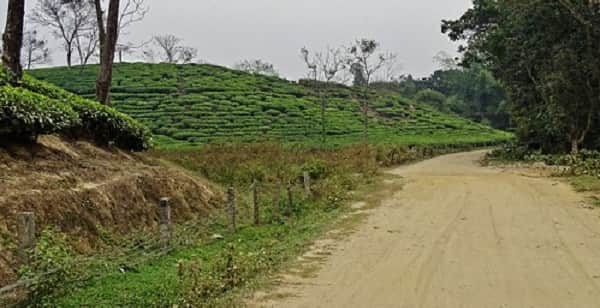
The Lakhipur area contains tea gardens whose green terraced rows across the surrounding hills add to the landscape’s visual character. Cachar district is a significant tea producer, and the estates in the Lakhipur circle — smaller and less touristified than those of Upper Assam’s Dibrugarh belt — can be explored informally. Early morning walks through active tea estates, watching the plucking process, and tasting fresh-processed Cachar tea at source are all available experiences for visitors willing to arrange local access.
Khaspur Ruins — Dimasa Kingdom Capital (25 km from Lakhipur)
The most significant historical site within easy reach of Lakhipur is the Khaspur ruins — the last capital of the Dimasa Kachari Kingdom, built in 1690, situated about 20 km from Silchar (approximately 25 km from Lakhipur). The ruins hold a particular architectural interest: the Sun Gate (also called the Solar Gate), the Lion Gate, remnants of the king’s palace, an ancient temple, and stone carvings and inscriptions are all surviving elements of the Dimasa royal complex.
The gates are remarkable — large, intricately worked stone structures featuring elephant motifs that still stand despite centuries of neglect. The palace structure itself has largely disintegrated, but the gateway architecture gives a clear sense of the Dimasa aesthetic. The site is quiet, rarely crowded, and has an atmosphere of genuine historical stillness that more famous ruins often fail to achieve.
The Khaspur ruins are maintained as an archaeological site and are one of the most rewarding historical stops in the entire Barak Valley.
Haflong — Assam’s Only Hill Station (48 km from Lakhipur)
About 48 km from Lakhipur lies Haflong — a destination of a completely different character. Haflong is the only officially designated hill station in Assam, situated in the Dima Hasao district at an elevation that brings dramatically cooler temperatures, mountain scenery, and a landscape dominated by green valleys and forested slopes.
Key attractions at Haflong include Haflong Lake (a scenic natural lake in the town centre), ethnic Dimasa and other tribal villages, the Jatinga Bird Observatory (associated with the mysterious Jatinga bird suicides phenomenon), and viewpoints across the surrounding Barail range hills. The Fiangpui Garden and hill view from Moulpong are additional scenic stops. Haflong makes an excellent half-day or overnight excursion from Lakhipur, and the drive itself through increasingly hilly terrain is worth the journey.
Bhubaneshwar Temple — Bhuban Hills (35 km from Silchar)
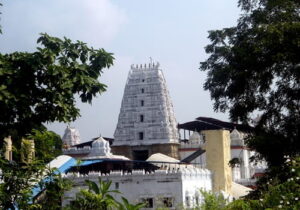
Located atop the Bhuban Hills in Cachar district, approximately 35 km from Silchar and accessible from the Lakhipur direction, the Bhubaneshwar Temple is one of the most important religious sites in the Barak Valley. Dedicated to Lord Shiva and Goddess Parvati, this hilltop temple draws pilgrims throughout the year, particularly during Shivratri and the Baruni festival. The elevation provides panoramic views of the surrounding Cachar landscape and the Barak River valley below.
Kanchakanti Kali Mandir (Near Kumbhirgram)
The Kanchakanti Kali Temple, approximately 15 km from Silchar on the way to Kumbhirgram Airport, is one of the most celebrated temples in Cachar. The temple is dedicated to a four-armed goddess believed to be a union of Goddess Kali and Goddess Durga — an iconographic fusion specific to the Barak Valley’s syncretic religious tradition. The original temple was constructed around 1806 following a king’s divine dream; the current rebuilt structure continues to draw large crowds of devotees who believe that prayers here fulfil desires. The Dol Purnima (Holi) fair held at the temple is one of the district’s most vivid annual events.
Silchar — District Headquarters (25 km from Lakhipur)
Silchar, the capital of Cachar district and the main urban centre of the Barak Valley, is the natural base for any extended visit to the Lakhipur area. The city sits on the Barak River and offers:
The Martyr’s Tomb at Gandhi Bag — 11 graves of the 1964 Bengali language movement martyrs, a site of deep emotional and political significance for the Bengali community of Assam. The Narasimha Akhara and other temples of historical importance. The Gandhi Bag lake and park — a central urban green space. The Silchar Medical College — the primary hospital for the entire Barak Valley, Mizoram, Tripura, and parts of Manipur. A lively bazaar and market culture rooted in Bengali commercial traditions.
Religious and Cultural Sites Table
| Site | Location | Tradition | Key Feature |
| Bhubaneshwar Temple | Bhuban Hills, ~35 km from Silchar | Shaiva Hindu | Hilltop temple; Shiva-Parvati; Baruni and Shivratri festivals |
| Kanchakanti Kali Mandir | Near Kumbhirgram, ~15 km from Silchar | Shakta Hindu | Fusion Kali-Durga goddess; built 1806; Dol Purnima fair |
| Martyr’s Tomb | Gandhi Bag, Silchar | Memorial (1964 Language Movement) | 11 tombs of Bengali language movement martyrs; pilgrimage for Bengalis |
| Khaspur Ancient Temple | Khaspur ruins complex | Dimasa Hindu tradition | Part of 17th-century Dimasa capital; stone carvings |
| Narasimha Akhara | Silchar | Vaishnava Hindu | Important temple in Silchar city |
| Siddheshwar Temple | Barak Valley area | Shaiva Hindu | Significant local pilgrimage site |
The Lakhipur Pineapple — A Specific Note
No article about Lakhipur is complete without giving the pineapple its due. The Lakhipur pineapple has a well-established reputation across northeastern India for exceptional sweetness and flavour. Travel guides covering Barak Valley tourism consistently note that if you want to experience the famous Lakhipur pineapple, monsoon — specifically July to August — is the time to visit. Markets in town during this period are extraordinary displays of the fruit at its peak.
The pineapple agriculture of Lakhipur is part of a broader horticultural identity of the Cachar hills. Natural gas has also been found in the Adamtilla area of Cachar, hinting at a sub-surface resource identity that sits beneath the agricultural surface.
Weather in Lakhipur / Cachar District — Season by Season
Lakhipur has a tropical monsoon climate typical of the Barak Valley, which is surrounded by hills on multiple sides and receives very high annual rainfall — significantly heavier than the Brahmaputra valley in Upper Assam.
October to March — Best Time to Visit
The recommended sightseeing window. November through February brings clear, cool, dry weather — temperatures between 10°C and 22°C — ideal for exploring the Khaspur ruins, driving to Haflong, visiting the Bhuban Hills temple, and walking through the riverside landscape. The Barak Valley’s surrounding hills are particularly scenic in winter light. December and January are the coolest months.
July to August — Pineapple Season
If pineapple is your primary goal — and for many who know Lakhipur’s reputation, it genuinely is — July and August are the time to arrive. The monsoon makes outdoor sightseeing impractical in many areas, but the market town energy of Lakhipur during harvest season and the hillside pineapple farms are worth experiencing.
April to June — Summer
Hot and increasingly humid. Temperatures reach 34°C–36°C with high humidity. Early monsoon showers begin in May. Not recommended for extended outdoor exploration.
June to September — Monsoon
Lakhipur receives very heavy rainfall. The Barak River swells significantly, some low-lying areas may flood, and the road to Haflong through the hills can be disrupted. The landscape is intensely green and atmospheric for those who don’t mind the rain.
Things to Do in and Around Lakhipur (2026)
Walk the Pineapple Farms in July — Ask at the local market for directions to the pineapple cultivation areas on the surrounding hillsides. The harvest landscape is unlike anything in most of India and the fruit sold directly from the farms is at its best.
Drive to Khaspur Ruins — About 25 km away, the Dimasa Kingdom’s 17th-century capital with its Sun Gate, Lion Gate, and stone-carved temple complex is the single most historically rewarding stop in the broader Lakhipur area. Allow 2 to 3 hours.
Take a Day Trip to Haflong — The 48 km drive climbs from the Barak Valley plains into genuine hill station country. Haflong Lake, tribal villages, and the Jatinga birdlife observation make it a full and satisfying day trip.
Visit the Bhuban Hills Temple — The Bhubaneshwar Temple atop the Bhuban Hills combines religious significance with excellent elevated views of the Cachar landscape. Particularly atmospheric during festival days.
Explore Silchar’s Market and Martyr’s Tomb — Silchar, 25 km west, is the urban anchor for any visit to the Lakhipur area. The Martyr’s Tomb at Gandhi Bag is a significant cultural and emotional site for Bengali visitors. The market is a lively commercial hub.
River Walk along the Barak — The riverbank south of Lakhipur town offers quiet, scenic walks through agricultural countryside with river views. Early morning is the best time, before the heat builds.
Taste the Local Bengali and Sylheti Kitchen — The food culture of the Barak Valley is distinct from both mainland Bengal and Upper Assam. Fish curry using Barak River catch, rice preparations, and traditional pithas (rice cakes) are the staples. Local tea shops brewing Cachar estate tea are ubiquitous and worth lingering in.
How to Reach Lakhipur
By Air: Kumbhirgram Airport in Silchar is the nearest airport, approximately 15 to 25 km from Lakhipur. It connects to Kolkata, Guwahati, Delhi, and other cities. From the airport, taxis reach Lakhipur in 30 to 45 minutes.
By Train: Silchar Railway Station, approximately 25 km from Lakhipur, is the nearest railhead. Trains connect Silchar to Guwahati, Kolkata, and major cities via Badarpur Junction. From Silchar station, buses and shared taxis cover the Lakhipur route regularly.
By Road: NH 53 (the Imphal–Silchar highway) passes through Lakhipur. Regular bus services and shared vehicles run between Silchar and Lakhipur throughout the day. The road condition is generally good. From Guwahati, the journey via Jowai and Shillong takes approximately 8 to 10 hours by road.
Practical Tips for Visitors (2026)
- Lakhipur town has basic accommodation — budget guesthouses and small hotels. For more options, Silchar is the better base.
- Carry cash throughout — ATMs exist in Lakhipur town (SBI branch present) but facilities are limited beyond the main market area.
- The road to Haflong through the Dima Hasao hills can be disrupted during heavy monsoon rain — confirm road conditions before making the trip.
- Khaspur ruins have no formal visitor infrastructure — carry water and snacks.
- Mosquito repellent is essential near the Barak and Chiri riverbanks, particularly at dusk.
- Bengali and Sylheti are the dominant languages — basic Bengali phrases go a long way with locals.
Conclusion
Lakhipur is not a place that presents itself as a tourism destination. It is a working agricultural town at the edge of the Barak Valley, near the Manipur border, ringed by hills and rivers, and most famous — in the food world at least — for its pineapples. What it offers a traveller is access to one of the most scenic and historically rich valleys in Assam, with the Khaspur Dimasa ruins, the Haflong hill station, the Bhuban temple hills, and the Barak river landscape all within reach.
In a region as diverse and under-explored as the Barak Valley, Lakhipur makes a quiet but genuinely rewarding base. The pineapple season in July-August is worth timing a visit around if you have any interest in how an agricultural product shapes the identity of a place. The winter months give the better weather for everything else.
FAQs About Lakhipur, Assam
Q: Is Lakhipur a separate district in Assam?
A: No. Lakhipur is a town, tehsil, and sub-division within Cachar district of Assam. The district headquarters is Silchar, approximately 25 km west of Lakhipur. Lakhipur is also the name of a Legislative Assembly constituency within Cachar.
Q:What is Lakhipur famous for?
A: Lakhipur is most widely known for producing some of India’s finest pineapples — a reputation that extends across northeastern India. The Lakhipur pineapple is celebrated for its sweetness and quality. The area is also known for its tea gardens, scenic Barak Valley landscape, and proximity to the Khaspur Dimasa Kingdom ruins.
Q: What is the best time to visit Lakhipur?
A: October to March for sightseeing and comfortable weather. July to August specifically for the pineapple harvest season, when the farms and markets are at their most vibrant.
Q: What are the nearest tourist attractions to Lakhipur?
A: The Khaspur Dimasa Kingdom ruins (25 km), Silchar city and Martyr’s Tomb (25 km), Bhubaneshwar Temple on Bhuban Hills (~35 km from Silchar), Kanchakanti Kali Mandir, and Haflong hill station (48 km) are the main attractions within reach of Lakhipur.
Q: How do I reach Lakhipur from Silchar?
A: Lakhipur is 25 km east of Silchar on NH 53. Regular bus services and shared taxis operate throughout the day between Silchar bus stand and Lakhipur. The drive takes approximately 40 to 50 minutes.