Prakasam District, Andhra Pradesh: Top Attractions, History, Temples, Weather & Things to Do
Prakasam district sits along Andhra Pradesh’s coastal stretch, named in 1972 in honour of Tanguturi Prakasam — known as “Andhra Kesari” — a freedom fighter and the first chief minister of Andhra State, born in the district’s village of Vinodarayunipalem. Originally constituted on 2 February 1970 from portions of Guntur, Nellore, and Kurnool districts, Prakasam derives its very name from the Sanskrit word “Prakash,” meaning light or brightness — a fitting tribute to a man who, in local memory, brought light to the region’s political consciousness.
The district’s geography is defined by two major hill systems: the steep, continuous Nallamala range and the parallel north-south Veligonda hills, both forming part of the Eastern Ghats. Prakasam’s deepest historical layer reaches back to the Satavahana period, when Buddhism flourished and major stupa complexes rose along the Gundlakamma River at Chandavaram, while its devotional landscape today centres on the rock-cut Bhairavakona cave temples, the Kakatiya-built Tripuranthakam Shiva shrine (eastern gateway to Srisailam), and Ongole — globally famous for the muscular Ongole cattle breed exported across the world.
Prakasam District, Andhra Pradesh — Quick Overview
| Feature | Details |
| State | Andhra Pradesh |
| District Headquarters | Ongole |
| District Formed | 2 February 1970 (renamed 1972) |
| Named After | Tanguturi Prakasam (“Andhra Kesari”) |
| Famous For | Bhairavakona Cave Temples, Tripuranthakam Temple, Chandavaram Buddhist Site, Ongole Bull Breed |
| Hill Ranges | Nallamala, Veligonda |
| Key River | Gundlakamma |
| Coastline | Bay of Bengal (Kothapatnam, Pakala, Ramapuram beaches) |
| Revenue Divisions | Addanki, Kandukur, Ongole |
| Nearest Airport | Vijayawada Airport |
| Best Time to Visit | October to February |
| Summer Temperature | Up to 45°C |
History of Prakasam District
1. Satavahana-Era Buddhism and Chandavaram
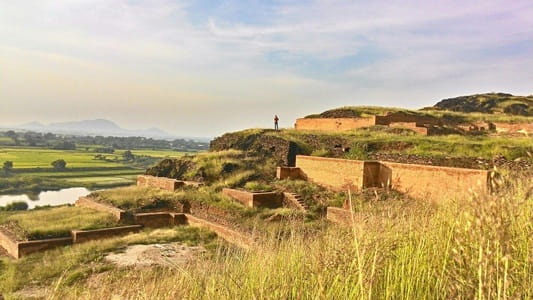
The rise of the Satavahanas saw Buddhism flourish significantly in this region, with the construction of numerous stupas along the Gundlakamma River. At Chandavaram, located on a hillock called Singarakonda 75 km from Ongole, a large Buddhist monastic establishment came into existence during the 2nd century BCE and flourished for approximately 800 years, until the 6th century CE. One of the ancient routes from North India to Kanchipuram in the south passed directly through Singarakonda. Excavations in 1965 uncovered a huge double-terraced stupa built on an elevated platform, featuring Ayaka pillars denoting key events in Buddha’s life — comparable to similar structures found at Sanchi — along with ornamental stone railings and four carved gateways in Sanchi and Barahut sculptural styles.
2. Successive Dynastic Rule
Following the Satavahanas, the region passed through an extensive succession of ruling powers: the Ikshvakus, Vijayanagara Kings, Kakatiyas, Qutub Shahis, Mughals, Addanki Reddy Rajas, Chundi Rajas, Ongole Samsthanam Kings, and Pellur Rajas. This layered dynastic history left behind temples constructed across multiple eras — most notably the Tripuranthakam Shiva temple, built by the Kakatiyas, and the Prasannanjaneya Swamy Temple at Singarakonda, said to have been constructed in the 15th century by Vijayanagara king Devarayalu.
3. Naming the District After Tanguturi Prakasam
Originally constituted on 2 February 1970 from three taluks of Guntur district (Addanki, Chirala, and Ongole), four taluks of Nellore district (Kandukur, Kanigiri, Darsi, and Podili), and three taluks of Kurnool district (Markapur, Yarragondapalem, and Giddaluru), the district was renamed Prakasam in 1972 to honour Tanguturi Prakasam — “Andhra Kesari” (the Lion of Andhra) — a celebrated freedom fighter who served as the first chief minister of Andhra State and also as Chief Minister of the Madras Presidency, born in Vinodarayunipalem village within the district.
4. Modern Reorganisation
The district was further reorganised on 4 April 2022 and again on 31 December 2025, reflecting Andhra Pradesh’s broader pattern of administrative restructuring in recent years, with Ongole remaining the consistent district headquarters throughout.
Top Attractions in Prakasam District
1. Bhairavakona
Located in the heart of the Nallamala Hills, Bhairavakona is famous for eight distinct Shiva cave temples dating to the 7th or 8th century CE, chiselled from a single rock on the Nallamala slopes. Every temple displays the trinity of Brahma, Vishnu, and Shiva, with some of the rock-cut temples bearing striking resemblance to those found at Mahabalipuram. The site features the Sri Trimukha Durgamba Mahadevi temple alongside the Bargheswara Lingam, which gives the location its name “Bhairavakona,” with local belief holding that Kaala Bhairava Swamy himself watches over the site. The location offers a magnificent ambience enhanced by natural waterfalls, particularly striking after monsoon rains, located 15 km from Seetharamapuram and 35 km from Pamuru.
2. Tripuranthakam Temple
A village in Prakasam district, Tripuranthakam houses a Lord Shiva temple atop a hill, considered the Eastern gateway to the Srisailam temple. Goddess Sri Bala Tripura Sundari is located down the hill, with local legend recounting that Shiva killed demons with her assistance — giving the temple its name. Built by the Kakatiyas, this historically significant shrine forms an essential stop for pilgrims travelling the broader Srisailam circuit.
3. Chandavaram Excavation Site
Located on the banks of the Gundlakamma River at Singarakonda, 75 km from Ongole, Chandavaram is a popular ancient Buddhist site and the first of its kind discovered in Andhra Pradesh. Excavators in 1965 found a massive double-terraced stupa built on an elevated platform, with surrounding carved Ayaka pillars and ornamental stone gateways reflecting Sanchi and Barahut artistic styles — a genuinely significant site for understanding Buddhism’s deep historical roots in coastal Andhra Pradesh.
4. Chennakesava Swamy Temple, Ongole
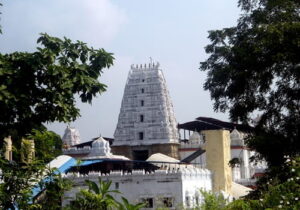
Located very near Ongole Railway Station in Kesava Swami Peta, this temple’s main deity, Chenna Kesava Perumal, is an incarnation of Lord Vishnu. Constructed at the end of the 16th century by Rama Bhadra Raju and Raghupathy Raju of the Vijayanagara Kingdom, the idol was originally installed within their fort. As pilgrim crowds and resulting security concerns grew, King Asthana consulted Pandit Vangala Seetharam Avadhani, leading to the temple’s relocation to its current hilltop site in 1712 for public worship. The temple’s circular courtyard houses smaller shrines to Sri Bhaktanjaneya, Sri Venkatesa, Sri Rama Vasundhara, and Sri Satyanarayana Swamy.
5. Malakonda Temple (Sri Malyadri Lakshmi Narasimha Swamy)
Located atop Malakonda hill on the route from Ongole to Pamuru, this temple is dedicated to Sri Malyadri Lakshmi Narasimha Swamy Vari Devasthanam. Many pilgrims visit annually to pay respects to Lord Lakshmi Narasimha, making it an ideal family pilgrimage destination within easy reach of the district headquarters.
6. Mallavaram Dam (Gundlakamma Reservoir Project)
A modern dam approximately 80 feet high, also known as the Gundlakamma Reservoir Project, capable of irrigating 80,600 acres and holding a capacity of 3.80 billion cubic feet. Beyond its irrigation function — supplying drinking water to 250,000 Ongole residents and surrounding villages — the dam offers a trip to an adjacent temple and scenic views of the holy Gundlakamma River, with parks and additional temples on the opposite bank making it a popular full-day family destination.
7. Calvary Temple, Ongole
A striking modern church described by visitors as built in just 90 days, Calvary Temple stands as one of the biggest and most beautiful churches in Ongole, reflecting the district’s religious diversity alongside its Hindu temples and Buddhist heritage sites.
8. Coastal Beaches — Kothapatnam, Pakala, and Ramapuram
Prakasam’s Bay of Bengal coastline offers several appealing beach destinations. Kothapatnam Beach, 18 km from Ongole in the Ongole Revenue Division, offers crystal-clear blue waters and long sandy stretches ideal for boating, drawing especially large crowds during Karthika Purnima. Pakala Beach, 5 km east of Singarayakonda, offers a beautiful, clean, and peaceful coastal experience. Ramapuram Beach is celebrated as the cleanest and most peaceful in the region, ideal for watching sunrise and sunset accompanied by fresh seafood from nearby shacks.
9. Ongole — Home of the Ongole Bull
Ongole, the district headquarters, is internationally renowned for the Ongole breed of cattle (Ongolu Gitta) — one of the foremost Zebu cattle breeds in the world, exported to many countries and associated with the Tharparkar breed of northwestern India and the Sind area of Pakistan. The Ongole Bull Heritage Center celebrates this legacy with exhibits on breeding practices and the breed’s cultural significance to local agriculture.
Temples of Prakasam District
| Temple | Location | Deity | Key Feature |
| Tripuranthakam Temple | Tripuranthakam village | Lord Shiva | Eastern gateway to Srisailam; built by Kakatiyas |
| Bhairavakona Cave Temples | Nallamala Hills, near Kothapalli | Brahma, Vishnu, Shiva (8 caves) | 7th-8th century rock-cut shrines |
| Chennakesava Swamy Temple | Ongole | Lord Vishnu (Chenna Kesava) | Built 1712; Vijayanagara-era origin |
| Malakonda Temple | Malakonda hill, near Ramalingapuram | Lord Lakshmi Narasimha | Popular family pilgrimage site |
| Prasannanjaneya Swamy Temple | Singarakonda, near Addanki | Lord Hanuman | Built 15th century by Vijayanagara king Devarayalu |
| Malleswara Swamy Temple | Manikeswaram | Lord Shiva (Ganga Bhramarambha Sameta) | Grand Mahashivratri celebration |
| Sri Venkateswara Swamy Temple | Darsi | Lord Venkateswara | Significant district pilgrimage site |
| Valluramma Temple | Valluru, near Tangutur | Goddess Valluramma | Notable regional shrine |
Weather in Prakasam District
October to February — Best Time: Pleasant, manageable temperatures make this period ideal for visiting temples, beaches, and outdoor sites across the district.
March to June — Summer (Peak Tourist Season): Sweltering heat with temperatures reaching up to 45°C, intensified by coastal humidity, yet still considered peak visiting time due to school vacation timing, particularly for those exploring hill stations within the Nallamala range.
June to September — Monsoon (Low Season): Heavy rainfall offers relief from summer heat and creates fewer crowds, with Bhairavakona’s natural waterfalls particularly striking during and just after the rains, making this an appealing period for travellers who enjoy a quieter, greener landscape.
Things to Do in Prakasam District (2026)
Explore Bhairavakona’s Eight Cave Temples — Trek through the Nallamala Hills to examine these 7th-8th century rock-cut shrines, particularly scenic when the adjacent waterfalls are active.
Pilgrimage Circuit to Tripuranthakam — Visit this Kakatiya-built Shiva temple, traditionally considered the eastern gateway for devotees heading toward Srisailam.
Buddhist Heritage Visit to Chandavaram — Examine the excavated double-terraced stupa and Ayaka pillars at this significant 2nd-century BCE Buddhist monastic site.
Beach-Hopping Along the Coast — Combine Kothapatnam, Pakala, and Ramapuram beaches for a relaxed coastal day with fresh seafood and boating opportunities.
Ongole Bull Heritage Tour — Visit the Ongole Bull Heritage Center to learn about this globally exported, internationally celebrated Zebu cattle breed.
Family Day at Mallavaram Dam — Combine the Gundlakamma Reservoir’s scenic views with the adjacent temple and parks for a relaxed full-day outing.
How to Reach Prakasam District
By Air: Vijayawada Airport serves as the nearest major air connection for the district.
By Train: Yellakaru, Kukkaladoddi, and other stations connect the district to the broader Andhra Pradesh rail network.
By Road: National Highway 16 passes through Ongole, a major artery connecting Howrah and Chennai as part of the Asian Highway Network (AH45), with regular bus services connecting Ongole to other major Indian cities.
Conclusion
Prakasam district delivers coastal Andhra Pradesh’s distinctive blend of ancient Buddhist archaeology, Kakatiya and Vijayanagara temple heritage, and a 20th-century freedom-fighter legacy — Chandavaram’s 800-year Buddhist monastic flowering, Bhairavakona’s eight rock-cut Shiva caves, and Ongole’s globally exported cattle breed all sit within a single, coastal Eastern Ghats district named for “Andhra Kesari” himself. For travellers exploring the corridor between Guntur and Nellore, Prakasam rewards genuine, unhurried discovery.
FAQs About Prakasam District, Andhra Pradesh
Q1. What is Prakasam district famous for?
A: Prakasam is famous for the Bhairavakona rock-cut cave temples in the Nallamala Hills, the Kakatiya-built Tripuranthakam Shiva temple (eastern gateway to Srisailam), the ancient Buddhist excavation site at Chandavaram, and the globally renowned Ongole cattle breed.
Q2. How did Prakasam district get its name?
A: The district, originally constituted on 2 February 1970, was renamed Prakasam in 1972 to honour Tanguturi Prakasam — known as “Andhra Kesari” — a freedom fighter who served as the first chief minister of Andhra State and Chief Minister of the Madras Presidency. He was born in Vinodarayunipalem village within the district. The name itself derives from the Sanskrit word “Prakash,” meaning light or brightness.
Q3. What is the historical significance of Chandavaram?
A: Chandavaram, on the banks of the Gundlakamma River, was home to a large Buddhist monastic establishment that flourished from the 2nd century BCE to the 6th century CE — approximately 800 years. Excavations in 1965 uncovered a huge double-terraced stupa with Ayaka pillars and ornamental stone gateways, making it the first such Buddhist excavation site discovered in Andhra Pradesh.
Q4. What makes the Bhairavakona cave temples unique?
A: Bhairavakona features eight distinct Shiva cave temples dating to the 7th-8th century CE, chiselled from a single rock in the Nallamala Hills. Each temple displays the trinity of Brahma, Vishnu, and Shiva, with architectural similarities to the rock-cut temples at Mahabalipuram, and the site is enhanced by natural waterfalls cascading through the surrounding landscape.
Q5. When is the best time to visit Prakasam district?
A: October to February offers the most pleasant weather for temple visits, beach trips, and general sightseeing. Summer (March-June) brings intense heat up to 45°C but remains popular due to school vacation timing, while monsoon (June-September) offers a quieter, greener experience, particularly rewarding for viewing Bhairavakona’s waterfalls at their fullest.