Morigaon District, Assam: Top Attractions, History, Temples, Weather & Things to Do
Morigaon district sits in the floodplains of the mighty Brahmaputra River in central Assam, home to Pobitora Wildlife Sanctuary — a compact but globally significant protected area boasting the world’s highest density of the Greater One-Horned Rhinoceros, with approximately 10 rhinos per square kilometre. Despite spanning just 38.81 sq km (smaller than many of India’s national parks), Pobitora ranks second only to Kaziranga in India’s overall rhino population, having earned the affectionate nickname “Mini Kaziranga” for its similar terrain and remarkable conservation success.
Morigaon’s other defining identity is Mayong — known across India as the “Land of Black Magic,” a village whose ancient practices of witchcraft and mystical tradition have been passed down through generations and are documented at the Mayong Central Museum. The district is additionally called the “Land of Pancha Devata,” referring to five deities — Dinesh, Ganesh, Vishnu, Siva, and Shivi (Parvati) — worshipped at ancient shrines scattered across the Mayong region, including the 9th-century Shiva temple at Kachasila Hill and the legendary Deosal site associated with the sage Valmiki and Sita Devi from the Ramayana.
Morigaon District, Assam — Quick Overview
| Feature | Details |
| State | Assam |
| District Headquarters | Morigaon town |
| Famous For | Pobitora Wildlife Sanctuary, Mayong (“Land of Black Magic”), Kachasila Hill Temple |
| Religious Designation | “Land of Pancha Devata” (five deities) |
| Key River | Brahmaputra |
| Pobitora Area | 38.81 sq km (officially designated wildlife sanctuary since 1987) |
| Rhino Density | Highest in the world (~10 per sq km) |
| Distance from Guwahati | ~30-50 km (sources vary) |
| Nearest Airport | Lokpriya Gopinath Bordoloi International Airport, Guwahati (~48-72 km) |
| Best Time to Visit | November to March (mid-October to May, park open) |
History of Morigaon District
1. Pobitora’s Origin as a Grazing Reserve
Pobitora was originally a grazing reserve under the erstwhile Nagaon district, coming into limelight during 1961-62 when One-Horned Rhinos (Rhinoceros unicornis) were first sighted in significant numbers in the area. The Government of Assam officially demarcated the area through a gazette notification on 18 November 1971, declaring 1,584.76 hectares a reserve forest. The adjacent Rajamayong Hill, covering 1,191.86 hectares, had separately been declared a reserve forest in 1957. In 1987, the area was upgraded to full wildlife sanctuary status, with final notification published in the Assam Gazette in March 1998, establishing the sanctuary’s total protected area at 2,776.62 hectares (38.81 sq km).
2. The Legend of Pobitora’s Naming
According to local legend, the King of Mayong gave the forest its name “Pobitara” after his beloved daughter, who died in her youth — a poignant origin story that connects the sanctuary’s modern conservation identity directly to Mayong’s deep mythological and folkloric heritage.
3. Mayong — The Land of Black Magic
Mayong village, located close to Pobitora Wildlife Sanctuary, is famous throughout India as the “Land of Black Magic,” with ancient practices of witchcraft and mystical tradition passed down through generations of local practitioners. The Mayong Central Museum and Emporium allows visitors to learn about these mystical practices alongside the village’s broader history, making Mayong one of Northeast India’s most distinctive cultural curiosities.
4. The Valmiki-Sita Legend at Deosal
Local tradition holds that Deosal, near Jagiroad town along National Highway 37, was the ashram of the sage Valmiki, where Sita Devi was left by Lord Rama during her exile — directly connecting this Morigaon site to the Ramayana’s narrative. The site, discovered in the late 1930s, features a wall covered with statues of Hanuman and Sita, alongside stone steps believed to have been cut by Valmiki to allow the pregnant Sita to descend from the temple to the River Killing at Sita Jakhala Hills.
Top Attractions in Morigaon District
1. Pobitora Wildlife Sanctuary
Situated in the floodplains of the Brahmaputra, Pobitora Wildlife Sanctuary spans 38.81 sq km and holds the highest density of one-horned rhinoceros anywhere in the world — second in overall Indian rhino population only to Kaziranga National Park, and forming part of the broader “Indian Rhino Vision 2020” conservation programme alongside Kaziranga and Manas Wildlife Sanctuary. The sanctuary’s riverine forest composition with vast grassland (covering 15.9 sq km) creates an ideal rhino habitat.
Beyond rhinos, Pobitora hosts Asiatic wild buffalo, wild boar, leopards, barking deer, jungle cats, fishing cats, mongooses, civets, rhesus macaques, and Chinese pangolins. The sanctuary’s perennial water bodies (beels) attract approximately 2,000 migratory birds, including two Critically Endangered, four Endangered, eight Vulnerable, and three Near Threatened bird species — with the Marsh Babbler being a notable Assam plains endemic species. The sanctuary is also called the “Bharatpur of the East” for its rich birdlife, hosting species like the Indian pied hornbill, osprey, hill myna, kalij pheasant, lesser adjutant stork, and Pallas’s fish eagle, alongside endangered Gangetic River Dolphins visible on boat safaris and reptile species including Assam Roofed Top Turtles and Indian cobras.
Both jeep safaris (offering close wildlife encounters with rhinos, wild buffalo, and birds) and elephant rides (typically available only in morning sessions, providing the closest possible rhino encounters) are available, with the Haduk Hanging Bridge and Garanga Beel located directly opposite the entrance offering additional scenic appeal.
2. Mayong Village
Known as the “Land of Black Magic,” Mayong village near Pobitora is famous for its ancient witchcraft and mystical traditions, explored in depth at the Mayong Central Museum and Emporium. The village also offers nature-based tourism opportunities, surrounded by picturesque hills and hillocks, with the Brahmaputra flowing along its western side adding further natural beauty.
3. Kachasila Hill Temple
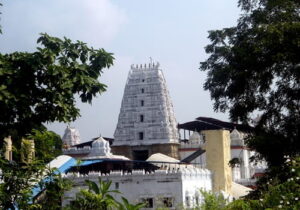
Located near Pobitora Wildlife Sanctuary, Kachasila Hill houses a temple dating back to the 9th century, featuring idols of Lord Shiva and Goddess Parvati alongside numerous beautiful Ganesha idols. The temple draws researchers interested in studying its rare statues and “coriin” stones, making it a significant heritage destination beyond its purely religious function.
4. Deosal — Valmiki Ashram and Sita Legend
Situated about 4 km from Jagiroad town on National Highway 37, Deosal houses a large ancient Shiva temple where the colourful Shiva Ratri Mela is celebrated annually. Local belief connects the site to the Ramayana legend of Valmiki’s ashram, where Sita Devi was left by Rama — the temple wall is adorned with statues of Hanuman and Sita, and stone steps are believed to have been carved by Valmiki to help the pregnant Sita descend to the river.
5. The “Pancha Devata” Pilgrimage Circuit
Morigaon’s broader religious identity as the “Land of Pancha Devata” encompasses several significant pilgrimage sites around Mayong, including the Kechaikhaiti Shrine of Burha Mayong, the Narashinha Ashram of Hiloikhunda, and the Ganesh Temple of Hatimuria — together representing the five deities (Dinesh, Ganesh, Vishnu, Siva, and Shivi/Parvati) that give the region its distinctive devotional character.
Temples and Religious Sites of Morigaon District
| Site | Location | Deity | Key Feature |
| Kachasila Hill Temple | Near Pobitora Wildlife Sanctuary | Lord Shiva, Goddess Parvati | 9th century; numerous Ganesha idols; researcher interest |
| Deosal Shiva Temple | Near Jagiroad town, NH 37 | Lord Shiva | Valmiki-Sita Ramayana legend; annual Shiva Ratri Mela |
| Kechaikhaiti Shrine | Burha Mayong | Local deity | Part of Pancha Devata circuit |
| Narashinha Ashram | Hiloikhunda | Lord Narasimha (Vishnu) | Part of Pancha Devata circuit |
| Ganesh Temple | Hatimuria | Lord Ganesh | Part of Pancha Devata circuit |
Weather in Morigaon District
November to March — Best Time: Pleasant, cool weather ideal for wildlife safaris at Pobitora, when animals are most active and visible, coinciding with November-February as peak migratory bird season (many species arriving from as far as Siberia).
Mid-October to Mid-May — Park Open Season: Pobitora Wildlife Sanctuary operates within this broader window, though the core recommended visiting period remains November through March for the most comfortable safari experience.
Monsoon (June-September): Not recommended for visiting the sanctuary, as monsoon conditions significantly affect accessibility and wildlife visibility within the floodplain terrain.
Things to Do in Morigaon District (2026)
Jeep or Elephant Safari at Pobitora — Book in advance (especially elephant rides, typically morning-only) for guaranteed close rhino sightings, alongside wild buffalo and diverse birdlife.
Explore Mayong’s Mystical Heritage — Visit the Mayong Central Museum to learn about the village’s centuries-old black magic and witchcraft traditions.
Pilgrimage to Kachasila Hill Temple — Examine the 9th-century Shiva-Parvati shrine’s rare statues, particularly meaningful for those interested in ancient Assamese temple architecture.
Visit Deosal During Shivaratri — Time a visit for the colourful annual Shiva Ratri Mela at this Ramayana-linked temple site near Jagiroad.
Birdwatch at Pobitora’s Beels — Combine rhino safaris with dedicated birdwatching during peak migratory season (November-February), bringing binoculars for the best experience.
Day Trip from Guwahati — Given the sanctuary’s proximity (1.5-hour drive), Pobitora makes for an easily accessible single or multi-day getaway from Assam’s largest city.
How to Reach Morigaon District
By Air: Lokpriya Gopinath Bordoloi International Airport, Guwahati, is the nearest, approximately 48-72 km from Pobitora Wildlife Sanctuary depending on the specific route and source.
By Train: Guwahati Railway Station is the nearest major rail hub, approximately 48 km away, well connected to major Indian cities.
By Road: Pobitora is easily accessible via a 1.5-hour drive from Guwahati; regular taxis and pre-arranged transport from Guwahati or the airport are the most convenient options.
Conclusion
Morigaon district offers one of Northeast India’s most concentrated and rewarding wildlife-and-mystery combinations — Pobitora’s world-record rhino density within an easy day trip from Guwahati, paired with Mayong’s genuinely unique black magic heritage and a 9th-century Shiva temple steeped in Ramayana legend. For travellers seeking assured rhino sightings without Kaziranga’s larger scale and crowds, alongside an authentic taste of Assam’s mystical folk tradition, Morigaon delivers a compact but unforgettable destination.
FAQs About Morigaon District, Assam
Q1. What is Morigaon district famous for?
A: Morigaon is famous for Pobitora Wildlife Sanctuary, which holds the world’s highest density of one-horned rhinoceros, and for Mayong village, known across India as the “Land of Black Magic” for its ancient witchcraft traditions.
Q2. Why is Pobitora called “Mini Kaziranga”?
A: Pobitora earns the nickname “Mini Kaziranga” due to its similar floodplain terrain and exceptionally high concentration of one-horned rhinoceros — approximately 10 per square kilometre, the highest density in the world, despite the sanctuary’s much smaller size of just 38.81 sq km compared to Kaziranga.
Q3. What is Mayong known for?
A: Mayong village, located near Pobitora Wildlife Sanctuary, is famous throughout India as the “Land of Black Magic,” with ancient mystical practices and witchcraft traditions passed down through generations. The Mayong Central Museum and Emporium allows visitors to explore this unique cultural heritage alongside the village’s broader history.
Q4. What is the legend behind the name “Pobitora”?
A: According to local legend, the King of Mayong named the forest “Pobitara” after his beloved daughter, who died in her youth — connecting the modern wildlife sanctuary’s name directly to Mayong’s rich mythological and folkloric tradition.
Q5. When is the best time to visit Pobitora Wildlife Sanctuary?
A: November to March offers the most pleasant weather and best wildlife visibility, coinciding with peak migratory bird season (many species arriving from Siberia). The sanctuary is generally open from mid-October to mid-May, but visiting during the monsoon (June-September) is not recommended due to reduced accessibility and visibility.