Malappuram District, Kerala: Top Attractions, History, Temples, Weather & Things to Do
Malappuram district sits between the Arabian Sea and the Nilgiri hills in northern Kerala, threaded by three legendary rivers — the Chaliyar, Kadalundi, and Bharathapuzha. The district carries a profoundly layered identity: it was once the military headquarters of the powerful Zamorins of Kozhikode, the site of the historic Mappila Revolts against the British East India Company between 1792 and 1921, and remains renowned for both Hindu-Vedic learning and Islamic philosophy — temples and mosques here draw devotees from across India and beyond.
Malappuram’s natural crown jewel is Nilambur, home to the world’s oldest teak plantation, Conolly’s Plot, established in the 1840s by Malabar District Collector H.V. Conolly, alongside the world’s first dedicated Teak Museum, established in 1995. The district’s spiritual landscape spans the ancient Thirunavaya Navamukunda Temple — one of the 108 Divya Desams — the 15th-century Pazhayangadi Mosque, and the historic Mamankam festival site, while Kerala’s celebrated Ayurvedic tradition finds its global headquarters at the Arya Vaidya Sala in Kottakkal.
Malappuram District, Kerala — Quick Overview
| Feature | Details |
| State | Kerala |
| District Headquarters | Malappuram town |
| Location | Between Arabian Sea (W) and Nilgiri Hills (E) |
| Famous For | Nilambur Teak Forests & Museum, Thirunavaya Temple, Kadalundi Bird Sanctuary, Kottakkal Ayurveda |
| Key Rivers | Chaliyar, Kadalundi, Bharathapuzha (Nila) |
| Historical Significance | Military HQ of Zamorins of Kozhikode; Mappila Revolts (1792-1921) |
| Nearest Airport | Calicut International Airport, Karipur (~26-36 km from Malappuram town) |
| Railway Station | Tirur; Nilambur Road; Melattur; Thirunavaya |
| Best Time to Visit | November to February |
History of Malappuram District
1. Zamorin Military Stronghold
Malappuram was once the military headquarters of the Zamorins of Kozhikode, the powerful medieval Hindu rulers who controlled much of the Malabar Coast. The district’s strategic position made it central to the Zamorins’ military operations, with several historic sites — including Manjeri (headquarters of Eranad Taluk) and Manjeri Kovilakam, the seat of ruling families under the Zamorins — preserving this royal administrative legacy.
2. The Mappila Revolts (1792-1921)
The district is the site of numerous Mappila Revolts — sustained uprisings against the British East India Company that occurred between 1792 and 1921, with anti-British revolts taking place in and around Manjeri from as early as 1790. Pookkottur, near Malappuram, holds a particular place in this resistance history, where Mappila warriors fought the British during the Malabar Rebellion. The brave exploits of the Malappuram shaheeds (martyrs) have been immortalised in the Mappila Ballads, with their mausoleum located adjacent to the historic Valiya Juma Masjid.
3. Nilambur and the Birth of Scientific Forestry
Nilambur holds genuine global significance in forestry history: Conolly’s Plot, established in the 1840s by H.V. Conolly (the Malabar District Collector) working alongside local forest officer Chathu Menon, is recognised as one of the oldest teak plantations in the world — the world’s first systematic teak plantation, in fact. Conolly successfully carried out the planting of new teak trees while discouraging the felling of immature trees, establishing a forestry management model. Chathu Menon was laid to rest within the Teak Garden at Conolly’s Plot itself, a testament to his dedication to this pioneering conservation effort.
4. The Mamankam Festival
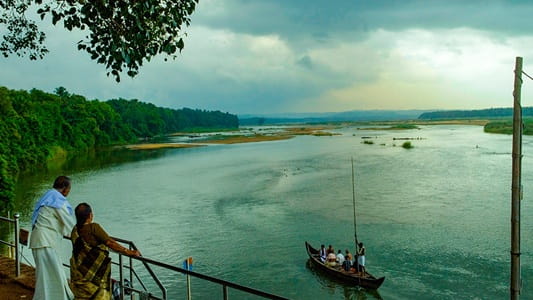
Thirunavaya, situated on the banks of the Bharathapuzha River, was the site of the historic Mamankam — a grand assembly of rulers held once every 12 years from the time of the Kulasekharas (Chera dynasty) through the 14th to 18th centuries. One among the assembled rulers was selected as the emperor of Kerala, and the festival also functioned as an enormous trade fair lasting 28 days, with traders arriving by ships and barges through Ponnani port. Several Mamankam-era monuments survive today, protected by the District Tourism Promotion Council (DTPC), including sites where captured enemy elephants were buried and where soldiers trained for war.
Top Attractions in Malappuram District
1. Nilambur Teak Forests and Conolly’s Plot
The crown jewel of Malappuram’s natural heritage, Conolly’s Plot spans 2.31 hectares beside the Chaliyar River at Aruvakode, accessible via a beautiful hanging bridge — the longest in Kerala — built across the river. Developed in the 1840s, the plot houses numerous large teak trees including a tree with a girth of 420 cm, alongside the historic “Kannimari” teak, considered the oldest in the plot. A country boat ferry remains ready for visitors at the riverside.
2. Nilambur Teak Museum
Established in 1995 on the campus of the Kerala Forest Research Institute (KFRI), the Nilambur Teak Museum is the world’s first museum dedicated entirely to teak. The museum’s exhibits cover the flower, fruit, and natural regeneration of teak, seed-grading methods, pre-sowing treatment, vegetative propagation, and the complete cycle of teak from seed to mature tree. Beyond teak-specific content, the museum houses a collection of over 300 butterflies, moths, and insects found in teak plantations, alongside paintings depicting tree-felling operations and historical photographs.
3. Nilambur Kovilakam
The royal residence of the Nilambur royal family — erstwhile local rulers of the region once known as Eranad — Nilambur Kovilakam sits at the foot of the Western Ghats along the banks of the Chaliyar River, approximately 30 km from Malappuram town. Built nearly 200 years ago by the Nilambur rajas, the palace complex includes the Nilambur Kovilakam Temple enshrining the presiding deity Vettekkoru Makan. The palace’s wonderful frescoes, intricate wood artwork, and ingenious traditional cooling technology that maintains moderate temperatures across seasons continue to draw international admiration.
4. Thirunavaya Navamukunda Temple
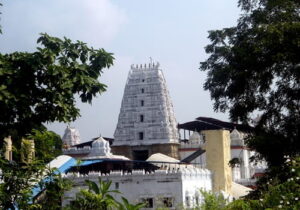
An ancient temple dedicated to Lord Vishnu (Narayana), believed to have been constructed by Nava Yogis on the right bank of the Bharathapuzha, Thirunavaya is one of the 108 Divya Desams and has been mentioned in the writings of the Vaishnava Alwars. The temple holds deep ritual significance for performing Pithru Tharpanam and Bali Karmam (rituals for deceased ancestors), and the annual Kumbhamela held here on the sacred banks of the Bharathapuzha is a profoundly spiritual gathering drawing devotees from across South India.
5. Kadalundi Bird Sanctuary
Spread across acres of wetlands and mangrove forests, Kadalundi Bird Sanctuary — India’s first community reserve — sits at the border between Malappuram and Kozhikode districts. During migratory season (November to April), the sanctuary hosts a multitude of bird species, offering visitors the opportunity to witness flocks of migratory birds against serene waters and verdant mangrove foliage.
6. Valiya Juma Masjid
Built approximately 600 years ago by Sheikh Zainuddin Ibn Ali Ibn Ahamed Maabari, the Valiya Juma Masjid features distinctive Kerala-style architecture, with white walls and blue doors giving it a temple-like appearance — likely because it was constructed by the Hindu Prana Nambi family. The mosque hosts a four-day annual festival (nercha) in April, and the adjoining mausoleum of the Malappuram shaheeds commemorates the martyrs of the Mappila resistance movement.
7. Kottakkal — Arya Vaidya Sala
A world-renowned centre of Ayurveda, Kottakkal is home to the Arya Vaidya Sala, established in 1902 by physician and social reformer Vaidyaratnam P.S. Varier to promote traditional healing techniques. Today the institution operates as a large private hospital, drug-production centre, and herbarium, drawing patients from across the world. Kottakkal is also a cultural hub, home to the P.S.V. Natyasangham — a renowned Kathakali school — and the nearby Venkata Theva Temple, noted for its mural paintings.
8. Kadampuzha Bhagavathy Temple
A genuinely distinctive temple, Kadampuzha Bhagavathy Temple has no idol of its presiding deity. Founded by Shankaracharya and often associated with Mahabharata legend, the temple worships the goddess in three combined forms — Lakshmi, Durga, and Saraswati — drawing devotees from across and beyond Kerala who seek to remove obstacles in life.
9. Adyanpara Waterfalls
Located in Kurumbalangode village of Nilambur Taluk, approximately 14 km from Nilambur town, Adyanpara is a scenic cascading waterfall amid lush jungle. While the water flow runs lower in summer, the falls remain beautiful year-round, with rich surrounding flora enhancing the visual appeal.
10. Kottakkunnu
Located in the heart of Malappuram city, Kottakkunnu is a hilly region offering an attractive picnic spot with traces of an old fort visible across the landscape. The site features a helipad and witnessed several significant events and revolts during the freedom struggle, while today serving primarily as a popular weekend getaway with musical fountains, an open-air theatre, and scenic sunrise and sunset viewing trails.
11. Nedumkayam Rainforest
Located 15 km from Nilambur and forming part of the Nilgiri Biosphere Reserve (buffer zone of Silent Valley National Park), Nedumkayam Rainforest offers thick plantation, walking trails, and tribal encounters. The forest is ideal for wildlife explorers, with guided tours covering rare birdlife and animal species amid genuinely immersive natural surroundings.
Temples and Religious Sites of Malappuram District
| Site | Location | Deity/Tradition | Key Feature |
| Thirunavaya Navamukunda Temple | Thirunavaya, banks of Bharathapuzha | Lord Vishnu (Narayana) | One of 108 Divya Desams; historic Mamankam site |
| Kadampuzha Bhagavathy Temple | Kadampuzha | Goddess (Lakshmi-Durga-Saraswati) | No idol of deity; founded by Shankaracharya |
| Keraladeshapuram Temple | ~3 km south of Tanur | Lord Vishnu | Among oldest Hindu temples in Kerala; St. Francis Xavier visited 1546 |
| Thirumandhamkunnu Bhagavathy Temple | Angadippuram | Goddess Bhagavathy | Major pilgrimage centre; Malappuram Nercha festival |
| Alathiyoor Hanuman Temple | Alathiyoor | Lord Hanuman + Rama, Devi Bhagavathi, Lakshmana | Multi-deity temple complex |
| Valiya Juma Masjid | Malappuram town | Islamic (Mappila heritage) | 600 years old; Kerala-style architecture |
| Pazhayangadi Mosque | Kondotty | Islamic | 15th-century traditional Kerala architecture |
Weather in Malappuram District
November to February — Best Time: Pleasant, cooler weather makes this the ideal window for sightseeing, visiting the Nilambur forests, exploring Kadalundi Bird Sanctuary’s peak migratory season, and temple touring across the district.
March to May — Summer: Warmer and more humid conditions typical of Kerala’s coastal-to-hill terrain, with Adyanpara Falls running at lower flow during this period.
June to September — Monsoon: Significant rainfall transforms the district’s waterfalls and rivers, with Kumaragiri farm estates near Nilambur specifically opening to visitors during this period for those who appreciate Kerala’s monsoon landscape.
Things to Do in Malappuram District (2026)
Explore Conolly’s Plot and the Teak Museum — Cross Kerala’s longest hanging bridge to reach the world’s oldest teak plantation, then visit the adjoining world-first Teak Museum.
Visit Nilambur Kovilakam — Tour this nearly 200-year-old royal palace, admiring its frescoes, wood artwork, and traditional climate-control architecture.
Pilgrimage Circuit at Thirunavaya — Combine a visit to the Navamukunda Temple with the historic Mamankam monuments scattered along the Bharathapuzha banks.
Birdwatching at Kadalundi Sanctuary — Time a November-April visit to witness India’s first community reserve at peak migratory bird activity.
Ayurvedic Wellness at Kottakkal — Experience treatment or simply tour the historic Arya Vaidya Sala, alongside a Kathakali performance at the P.S.V. Natyasangham.
Trek Nedumkayam Rainforest — Arrange a guided tour through this Nilgiri Biosphere Reserve buffer zone for tribal encounters and rare wildlife sightings.
How to Reach Malappuram District
By Air: Calicut International Airport (Karipur) is the nearest, located within Malappuram district itself, approximately 26-36 km from Malappuram town depending on the specific destination.
By Train: Tirur, Nilambur Road, Melattur, and Thirunavaya stations serve the district, with the Nilambur-Shoranur narrow-gauge railway line offering a particularly scenic 66 km journey through Western Ghats backdrop.
By Road: National Highway 17 passes through Kottakkal; regular buses and taxis connect Malappuram to Kozhikode, Palakkad, and other Kerala cities.
Conclusion
Malappuram district delivers a genuinely complete cross-section of Kerala’s Malabar heritage — the world’s oldest teak plantation and first teak museum at Nilambur, an ancient Vishnu Divya Desam at Thirunavaya tied to the historic Mamankam festival, the global Ayurvedic centre at Kottakkal, and a resistance history immortalised in the Mappila Ballads. For travellers seeking authentic Malabar culture beyond Kerala’s more famous backwater and beach circuits, Malappuram rewards thorough, unhurried exploration.
FAQs About Malappuram District, Kerala
Q1. What is Malappuram district famous for?
A: Malappuram is famous for the Nilambur Teak Forests (home to the world’s oldest teak plantation, Conolly’s Plot) and the world’s first Teak Museum, the ancient Thirunavaya Navamukunda Temple, Kadalundi Bird Sanctuary, and Kottakkal — the global headquarters of the Arya Vaidya Sala Ayurvedic institution.
Q2. What is Conolly’s Plot and why is it historically significant?
A: Conolly’s Plot, established in the 1840s by Malabar District Collector H.V. Conolly with forest officer Chathu Menon, is recognised as one of the world’s oldest systematic teak plantations. Located beside the Chaliyar River at Aruvakode, the 2.31-hectare plot is reached via Kerala’s longest hanging bridge and remains home to century-old teak trees including the historic “Kannimari” teak.
Q3. What was the Mamankam festival held at Thirunavaya?
A: Mamankam was a grand assembly of Kerala rulers held once every 12 years from the Kulasekhara (Chera dynasty) era through the 14th to 18th centuries, where one ruler was selected as Kerala’s emperor. It also functioned as a massive 28-day trade fair, with traders arriving via ships through Ponnani port, making it one of medieval South India’s most economically and politically significant gatherings.
Q4. What is the significance of the Mappila Revolts in Malappuram’s history?
A: Malappuram was the site of numerous Mappila Revolts against the British East India Company between 1792 and 1921, with the bravery of Mappila warriors immortalised in the Mappila Ballads. The mausoleum of the Malappuram shaheeds (martyrs) stands adjacent to the historic Valiya Juma Masjid, commemorating this resistance history.
Q5. When is the best time to visit Malappuram district?
A: November to February offers the most pleasant weather for sightseeing, temple visits, and exploring the Nilambur forests, coinciding with peak migratory bird season at Kadalundi Bird Sanctuary (November through April).